
5 Key Features to Look for When Buying a Kitchen Sink
Discover the 5 key features to consider when buying a kitchen sink, including material, size, style, durability, and functionality, for a perfect fit in your kitchen.

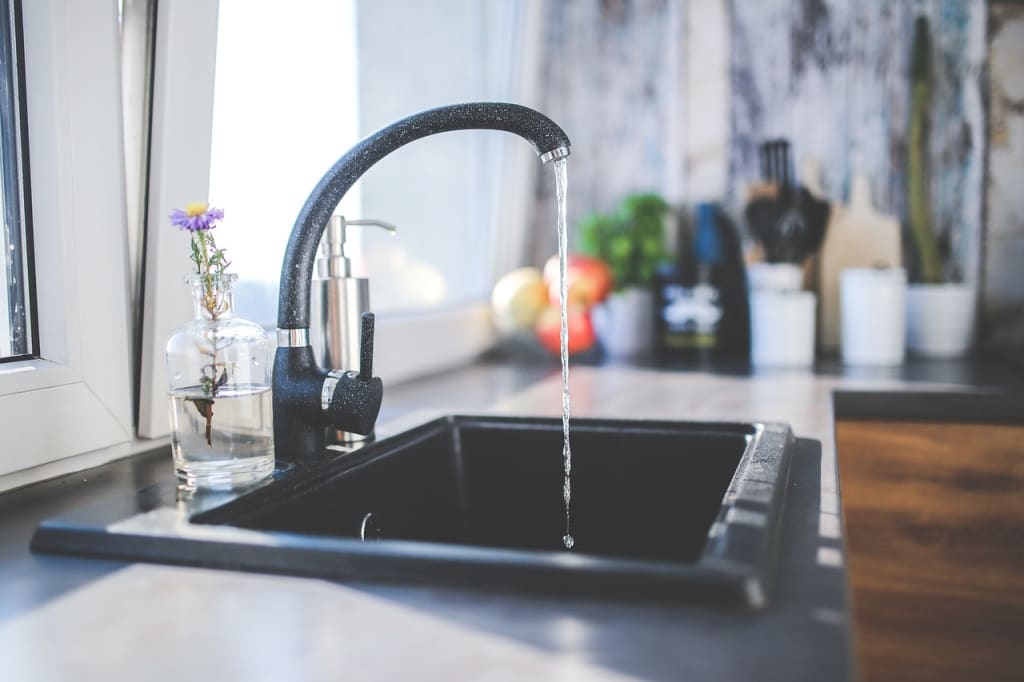
The kitchen sink is the main hub of numerous activities and workflow of your kitchen. It plays a crucial role in everyday tasks, such as preparing meals, cleaning vegetables, and maintaining basic kitchen hygiene. While its function seems simple, the kitchen sink has evolved over time in response to modernity and changes in technology, design and lifestyle.
If you are in the market for a new kitchen sink, here are five key features to look for when making a choice.
1. Material Durability
The material of your kitchen sink significantly impacts its durability, maintenance, and appearance.
Stainless Steel: Known for its affordability, durability, and resistance to stains, stainless steel is a timeless choice. Opt for a thicker gauge (lower numbers indicate thicker steel) to reduce noise and improve longevity.
Porcelain: These sinks have a classic, glossy appearance that compliments traditional or country kitchens. However, they are prone to chipping and require special care.
Granite Composite: Made from a mix of granite stone and acrylic resin, these sinks are scratch-resistant, heat-resistant, and available in a range of colours, adding a modern flair to your kitchen.
Copper: Copper sinks naturally patinate over time, giving them a distinct, rustic appearance. They are inherently antibacterial but may require frequent polishing to keep their brilliance.
When choosing a material, think about your kitchen’s overall design, how much wear and tear the sink will endure, and your maintenance preferences.
2. Size and Configuration
The size and configuration of your sink should align with your kitchen space and lifestyle. Key considerations include:
Single vs. Double Bowl:
Single-bowl sinks are good for washing large pots and pans, making them a popular choice among cooks.
Double-bowl sinks enable for multitasking, such as washing dishes in one bowl and rinsing veggies in another.
Dimensions: Measure your cabinet size and countertop cutout to ensure the sink fits perfectly. Common sizes range from 24 inches for compact kitchens to 36 inches for spacious layouts.
Depth: Deeper sinks (9–12 inches) accommodate large cookware but may require bending over more, which can be uncomfortable for some users.
Balance functionality with space constraints, keeping in mind how you use your sink daily.
3. Installation Type
The sink’s installation style affects not only its appearance but also the effort required to clean and maintain it. The three main types are:
Undermount sink: These sinks are installed beneath the countertop. Undermount sinks create a flawless look and make cleaning crumbs or spills directly into the sink natural. They do, however, require professional installation and are ideal when paired with solid surface countertops.
Top-Mount (Drop-In): These kitchen sinks are mounted with a visible rim sitting on the countertop. While they are easy to install and affordable, the rim can collect grime over time.
Farmhouse (Apron-Front): Farmhouse sinks are a design statement with their exposed front. They offer a deep basin but may require custom cabinetry to support their weight.
Consider how the installation type integrates with your kitchen’s layout and cleaning routine.
4. Features and Accessories
Modern kitchen sinks often come with features that enhance efficiency and usability. Look for:
Integrated Accessories: Cutting boards, drying racks, colanders, and sink grids are convenient additions that make meal prep and cleanup easier.
Drain Position: A rear or side drain leaves more usable space under the sink for storage and prevents water from pooling in the centre during dishwashing.
Noise Reduction: Many stainless-steel sinks now include sound-deadening pads or coatings to minimize noise from running water or clattering dishes.
Rounded Corners: Choose sinks with rounded corners (also called "radius corners") for easier cleaning and a softer look.
These features can streamline your workflow and make your sink more enjoyable to use.
5. Elevating Luxury and Style
For those seeking a high-end kitchen experience, the sink is more than a functional element—it’s a centerpiece that reflects your personal style.
Custom Finishes: Opt for brushed gold, matte black, or hammered copper finishes for a bold and luxurious look that complements your kitchen design.
Unique Shapes: Break away from traditional rectangular sinks and explore curved or asymmetrical designs for a distinctive aesthetic.
Handcrafted Details: Artisan-crafted sinks can bring unparalleled charm and uniqueness to your kitchen, making it a conversation starter.
Integrated Lighting: Some premium sinks come with subtle LED lighting, adding a touch of sophistication and practicality for evening use.
By investing in a designer sink, you’re not just elevating the functionality of your kitchen but also creating a visually stunning focal point.
Final Thoughts
Choosing the perfect kitchen sink includes balancing functionality, style, and personal preferences. Ideally, focusing on materials, size, and type of installation should help you make the right decision. However, taking additional features into consideration can not only elevate the aesthetics of your kitchen but also enhance your daily convenience.
About the Creator
Steve John
I’m a writer with a passion for exploring diverse topics, from education and lifestyle to health and wellness. I aim to provide readers with valuable insights and practical guidance across various subjects..
Keep reading
More stories from Steve John and writers in Lifehack and other communities.
Protect Your Small Business: How to Combat Cybersecurity Threats
With many businesses integrating technology into their operations, cybersecurity has become a critical concern. While large corporations often dominate the headlines when they fall victim to cyber-attacks, small businesses are far from immune. In fact, they are increasingly being targeted by cybercriminals, who see them as easy prey. According to Astra, small businesses account for 43% of cyber-attacks annually, and 46% of these small businesses have 1,000 employees or less.
By Steve Johnabout a year ago in Lifehack
The Basics of Successful Property Renovation Projects.
Property renovation is a cornerstone of real estate development, especially in markets with distressed or foreclosed homes. In cities across the country—from rapidly growing metros to legacy industrial hubs—renovation plays a vital role in revitalizing housing stock and meeting buyer demand. Successful renovation projects require careful planning, disciplined execution, and proactive management to maximize value and ensure the property meets modern buyer expectations. When approached strategically, renovation transforms underutilized properties into desirable homes while strengthening communities and generating strong financial returns.
By JB Hoover, Newport Beach7 days ago in Lifehack
Are LED downlights better than halogen for kitchens
When planning a kitchen, bathroom, or full home renovation in Sydney, lighting is one of those details that quietly decides whether the space feels amazing—or just “okay.” Cabinets can be beautiful, stone benchtops can look like art, but if the lighting is wrong, the whole kitchen suddenly feels flat.
By John Zhanga day ago in Lifehack



Comments
There are no comments for this story
Be the first to respond and start the conversation.