
5 Key Factors to Consider When Choosing a Wholesale Honey Supplier in Africa
Finding the Best Wholesale Honey Suppliers Africa: A Guide to Quality and Reliability

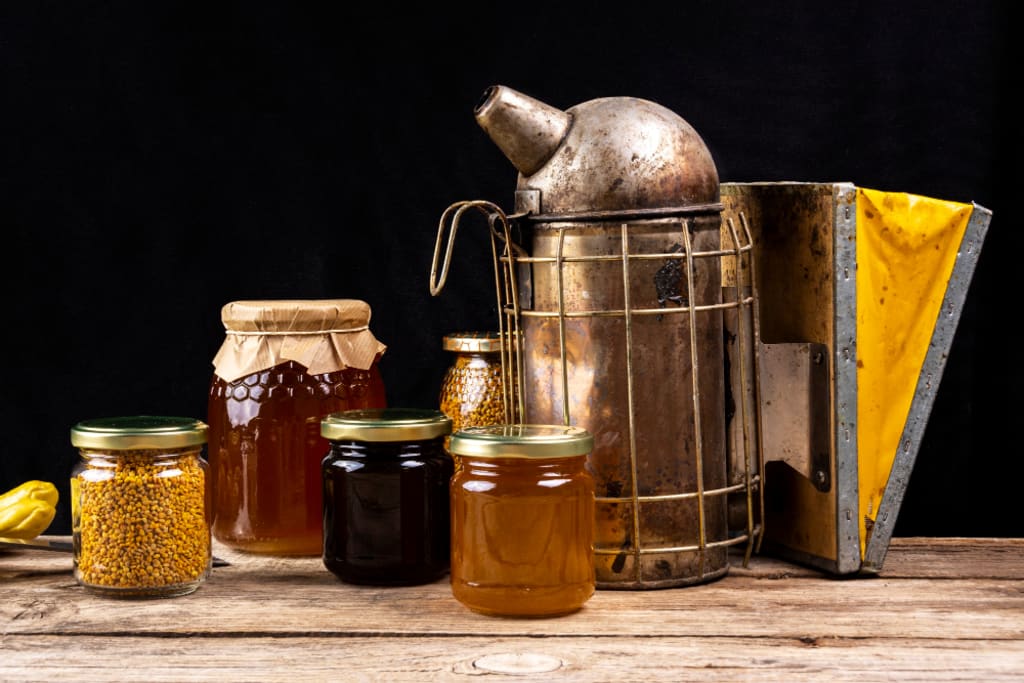
Africa is known for its rich biodiversity and high-quality honey production. If you're in the business of selling honey or using it for manufacturing, selecting the right wholesale honey supplier in Africa is crucial. The choice you make will impact your product quality, customer satisfaction, and profitability. But with so many options available, how do you choose the best supplier? Here are five key factors to consider when selecting wholesale honey suppliers in Africa to ensure you get the finest quality honey at the best price.
1. Quality and Purity of Honey
The most important factor when choosing a wholesale honey supplier is the quality and purity of the honey they offer. African honey is renowned for its natural taste and health benefits, but not all suppliers maintain the highest standards.
How to Assess Honey Quality:
- Raw vs. Processed Honey: Opt for suppliers that provide raw honey wholesale suppliers, as raw honey retains more nutrients and antioxidants.
- Certifications: Check for quality certifications such as HACCP (Hazard Analysis Critical Control Point), organic certifications, and ISO standards.
- Moisture Content: Pure honey has a moisture content of less than 20%. Any higher, and the honey may ferment or degrade quickly.
- Lab Testing: Reliable suppliers provide lab test reports to confirm the honey's purity, free from adulteration and additives.
- Source Transparency: Ensure that the supplier discloses the origins of their honey, whether it’s from acacia, wildflowers, or other nectar sources.
Why Quality Matters:
- Ensures customer satisfaction and brand credibility.
- Helps maintain a strong reputation in competitive markets.
- Protects against regulatory issues and product recalls.
2. Supplier’s Reputation and Experience
A supplier’s reputation and industry experience speak volumes about their reliability and quality of service.
How to Verify Supplier Reputation:
- Online Reviews and Testimonials: Look for feedback from other businesses that have worked with the supplier.
- Industry Experience: The longer a supplier has been in the market, the more likely they are to provide consistent quality.
- Trade Associations and Accreditations: Membership in honey trade associations like Apimondia or the African Beekeepers Association is a positive sign.
- References and Case Studies: Ask the supplier for references from satisfied clients.
Why Supplier Reputation is Important:
- Reduces the risk of dealing with fraudulent suppliers.
- Ensures a smooth and reliable supply chain.
- Helps build long-term business relationships.
3. Pricing and Payment Terms
While price shouldn’t be the only deciding factor, it’s essential to ensure that the supplier’s pricing aligns with your budget and business model.
How to Evaluate Pricing:
- Market Research: Compare prices from multiple suppliers to ensure you’re getting a fair deal.
- Bulk Discounts: Many wholesale honey suppliers in Africa offer discounts for large orders.
- Hidden Costs: Ask about extra fees like shipping, packaging, or taxes.
- Payment Terms: Choose suppliers with flexible payment options such as installment payments, bank transfers, or letters of credit.
Why Pricing Matters:
- Helps maintain a competitive retail price.
- Ensures better profit margins for your business.
- Prevents unexpected financial burdens.
4. Supply Chain Reliability and Logistics
Timely delivery and efficient logistics are essential for maintaining inventory levels and meeting customer demand.
What to Check for in Logistics:
- Shipping Capabilities: Ensure the supplier can handle bulk shipping and international deliveries if needed.
- Lead Times: Ask about delivery timelines to avoid stock shortages.
- Storage and Handling: Proper storage facilities prevent honey from crystallizing or degrading during transportation.
- Return and Refund Policies: Reliable suppliers have clear policies for defective or delayed shipments.
Why Logistics Matter:
- Avoids supply disruptions that could impact sales.
- Helps maintain product freshness and quality.
- Enhances business efficiency and customer satisfaction.
5. Sustainability and Ethical Sourcing
Consumers today are more conscious about sustainability and ethical sourcing. Choosing a supplier that values responsible beekeeping practices can enhance your brand reputation.
Sustainability Factors to Consider:
- Eco-Friendly Beekeeping: Ensure the supplier follows sustainable beekeeping methods that do not harm bee populations.
- Fair Trade Practices: Look for suppliers that pay fair wages to beekeepers and support local communities.
- Organic Certification: Organic honey is free from pesticides and antibiotics, making it a healthier option for consumers.
- Environmental Impact: Suppliers should minimize their carbon footprint through eco-friendly packaging and production methods.
Why Sustainability Matters:
- Builds trust with environmentally conscious customers.
- Helps preserve bee populations, which are vital for pollination.
- Enhances brand reputation and credibility.
Final Thoughts
Choosing the right wholesale honey suppliers in Africa requires careful consideration of quality, reputation, pricing, logistics, and sustainability. By evaluating suppliers based on these five key factors, you can ensure a steady supply of high-quality honey that meets consumer expectations and enhances your business’s success.
By partnering with reputable raw honey wholesale suppliers, you not only get the best honey but also contribute to sustainable and ethical honey production in Africa.
FAQs
1. How do I verify the authenticity of a wholesale honey supplier in Africa?
Check for industry certifications, read customer reviews, request lab test reports, and visit their beekeeping farms if possible.
2. What is the difference between raw honey and processed honey?
Raw honey is unheated and unpasteurized, retaining more nutrients, while processed honey is heated and filtered, often reducing its health benefits.
3. Are there any African countries known for high-quality honey?
Yes, Ethiopia, Tanzania, Kenya, and Zambia are among the top producers of high-quality honey in Africa.
4. Can I import African honey to the US or Europe?
Yes, but you need to comply with import regulations such as FDA approval (for the US) and EU organic certification requirements.
5. What are the best ways to store bulk honey?
Store honey in airtight containers in a cool, dry place away from direct sunlight to prevent crystallization and degradation.
About the Creator
Grows In Africa
We wholesale African products aiming to become the leading exporter of African raw materials. We supply to customers in Asia & Europe.
Keep reading
More stories from Grows In Africa and writers in Lifehack and other communities.
How to Choose the Best Raw Honey Wholesale Supplier for Your Business
When it comes to sourcing raw honey for your business, finding the right wholesale supplier is crucial. Whether you’re running a small artisanal honey shop, creating natural skincare products, or manufacturing food goods, the quality of honey you source can significantly impact your product and brand reputation. But how do you know which raw honey wholesale supplier is the best fit for your business?
By Grows In Africa 12 months ago in Lifehack
BPC-157 + TB-500: The Peptide Duo for Advanced Healing
The Peptide Therapy Duo Everyone’s Talking About If you’re struggling with slow recovery, nagging injuries, or ongoing inflammation, you may have heard about peptide therapy—especially the combination of BPC-157 and TB-500. This powerful duo is gaining attention in the wellness and recovery world for its potential to help the body heal naturally.
By Hazel Jackson7 days ago in Lifehack
Being Human Is Heavy
No one tells you that being human comes with a weight you cannot put down. Not when you’re born, not when you learn to walk, not even when you learn to love. It arrives quietly, accumulating over years, stacking itself in invisible layers until one day you wake up tired for no clear reason. You blame sleep. You blame work. You blame age. But the truth is simpler and harder: being human is heavy.
By LUNA EDITH2 days ago in Lifehack



Comments
There are no comments for this story
Be the first to respond and start the conversation.