
5 Common Causes of Clogged Drains
Understanding the Most Common Causes of Clogged Drains and How to Prevent Them


A clogged drain is more than just an inconvenience, it’s a problem that can disrupt daily life, lead to unpleasant odors, and cause significant damage if left untreated. If you’re a homeowner or property manager in Sydney, understanding the common causes of clogged drains can help you take proactive steps to prevent future blockages. Here are five of the most common culprits behind clogged drains and how you can avoid them.
1. Hair Build-Up
One of the most common causes of drain blockages, especially in bathrooms, is hair. Whether it’s in the shower or sink, hair tends to accumulate and get stuck in drainpipes. Over time, this build-up can form a tangled mass that obstructs water flow. If left unchecked, hair clogs can cause slow drainage or complete blockages.
Hair can also combine with soap scum, shampoo residue, and other debris to create a dense, sticky mess that is tough to remove. This is especially problematic in showers where hair is more likely to fall into the drain.
Preventive Tips:
- Install drain covers or hair catchers in your shower and sink to catch hair before it goes down the drain.
- Regularly clean drain covers to prevent any build-up.
- Use a drain cleaner or snake to periodically remove any hair buildup.
2. Grease and Oil
It’s tempting to pour grease and oil down the kitchen sink, especially when cleaning up after cooking. However, this is one of the worst things you can do for your pipes. When hot grease or oil flows down the drain, it cools and solidifies inside the pipes. Over time, this build-up can cause severe blockages and even damage to your plumbing system.
Grease doesn’t break down easily and can combine with food particles to create a stubborn clog. This is a problem often seen in kitchen sinks, especially in households that regularly cook with oils or fats.
Preventive Tips:
- Always dispose of cooking grease and oil in the trash. You can collect it in a container and discard it once it has cooled.
- Use a paper towel to wipe down greasy pans before washing them to reduce the amount of grease that enters the drain.
- Pour boiling water down the drain occasionally to help clear out any minor grease build-up.
3. Food Scraps and Waste
In the kitchen, it’s common to dispose of food scraps and waste down the sink drain, either manually or using a garbage disposal unit. However, some food items can lead to clogged drains. Things like fibrous vegetables (like celery and corn husks), coffee grounds, rice, and pasta are notorious for clogging pipes.
When food waste enters the drain, it can stick to the sides of the pipes and form a mass that eventually blocks the flow of water. Even small food particles can accumulate over time and cause a slow drain or complete blockage.
Preventive Tips:
- Avoid putting large food scraps down the drain, especially fibrous or starchy foods.
- Use a sink strainer to catch food particles before they go down the drain.
- Consider using a compost bin for organic food waste instead of putting it in the sink.
4. Tree Roots
In older homes, one of the most significant causes of drain blockages is tree roots. Tree roots are naturally drawn to sources of water, and if there is a crack or loose joint in your pipes, the roots will infiltrate the drain system. Once inside, they can cause extensive damage to your plumbing system by creating blockages, leaks, and even ruptured pipes.
In some cases, tree roots can grow so large and invasive that they completely block the pipe, leading to flooding or significant water damage. This is more likely to occur in areas with older plumbing systems or in homes with mature trees located near drainpipes.
Preventive Tips:
- Be mindful of where you plant trees and shrubs. Avoid planting them near your main sewer line or drainage system.
- Regularly inspect your plumbing system for any signs of leaks or damage, especially if you live in an area with many trees.
- Consider tree root barriers or root-resistant pipes if tree roots are a recurring issue.
5. Soap Scum and Mineral Build-Up
Soap scum and mineral deposits are another major cause of clogged drains, particularly in bathrooms. When soap mixes with water, it creates a sticky residue that clings to pipes, especially in hard water areas where minerals like calcium and magnesium are more prevalent. Over time, this build-up can narrow the drainpipe, restricting the flow of water and leading to blockages.
The combination of soap scum and minerals can also create a hard, stubborn residue that is difficult to remove without professional cleaning. This is most common in shower drains, bathtubs, and bathroom sinks.
Preventive Tips:
- Use a water softener if you live in a hard water area to reduce mineral build-up.
- Clean your drains regularly with natural cleaners or a mixture of baking soda and vinegar to help break down soap scum.
- Install a water filter or softener to reduce mineral deposits in your water, which can help prevent future build-up.
Final Thoughts
Clogged drains are an annoying and often costly problem to deal with, but understanding the causes can help you take steps to prevent them. By being mindful of what you put down the drain and keeping an eye on your plumbing system, you can avoid common blockages and keep your pipes flowing freely.
Regular maintenance and preventative measures like using strainers, avoiding grease disposal, and cleaning your drains periodically can save you time, money, and hassle in the long run. If you’re dealing with persistent drain issues or suspect tree root intrusion, don’t hesitate to call a experienced plumber to ensure your plumbing system remains in top shape.
About the Creator
Fix 'N' Flow Plumbing
Fix N Flow is a plumbing company providing top-quality services in Sydney Metro, Central Coast, South Coast & Illawarra, Hunter Valley, and Blue Mountains. Our team of expert plumbers is available 24/7 for all your plumbing needs.
Keep reading
More stories from Fix 'N' Flow Plumbing and writers in Lifehack and other communities.
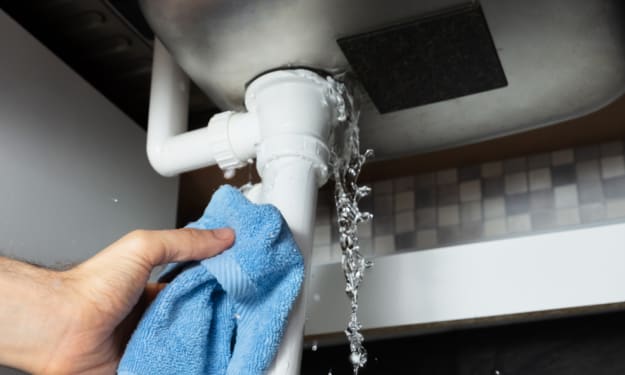
How to Unclog a Kitchen Sink
A clogged kitchen sink is an inconvenient and frustrating problem, but fortunately, it's one that can often be solved quickly and easily. Whether it's caused by food scraps, grease buildup, or an accumulation of soap and minerals, understanding how to effectively unclog your kitchen sink can save you both time and money. In this guide, we’ll walk you through the steps to unclog your sink and offer some handy tips to prevent future blockages.
By Fix 'N' Flow Plumbing5 months ago in Lifehack
Top 10 Questions to Ask Every Perth NDIS Service Before You Engage Them
Choosing the right National Disability Insurance Scheme (NDIS) provider shapes the quality of care, independence, and outcomes a participant experiences. In Perth, families and participants face a growing number of service options, which makes informed decision-making essential.
By Anshul Vijaya day ago in Lifehack
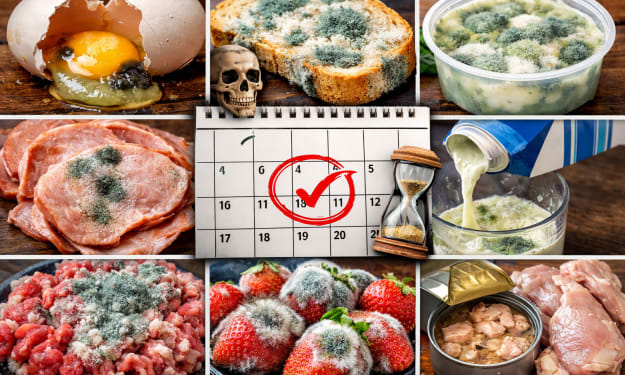
9 Foods You Should Never Eat Past the Expiration Date, No Exceptions
But certain foods cross a line where the expiration date becomes about more than just quality—it’s about safety. Eating past that line can expose you to dangerous bacteria, toxins, or nutrient loss you can’t see or smell. Knowing which foods to never push beyond their expiration dates is key to keeping your kitchen safe. Here are the nine foods that are not worth the risk.
By General gyana day ago in Lifehack
Miss Persephone's Manual to a Seemingly Ordinary Life
Miss Persephone was found at the dining table, her blue eyes swollen, her tears arriving and retreating like the tides of the ocean. Earlier that day, her family had visited her in the retirement home where she had lived for eight years. It was her eightieth birthday.
By Imola Tóth3 days ago in Fiction


Comments
There are no comments for this story
Be the first to respond and start the conversation.