
How to Unclog a Kitchen Sink
A Simple Solution to Blocked Kitchen Sink for Homeowners

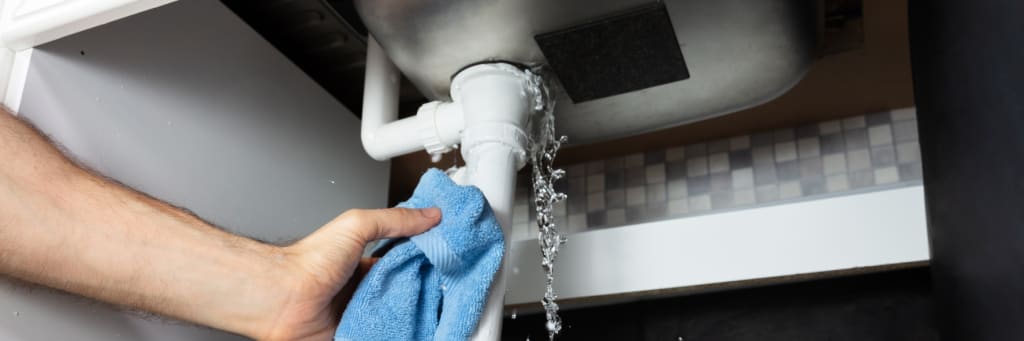
A clogged kitchen sink is an inconvenient and frustrating problem, but fortunately, it's one that can often be solved quickly and easily. Whether it's caused by food scraps, grease buildup, or an accumulation of soap and minerals, understanding how to effectively unclog your kitchen sink can save you both time and money. In this guide, we’ll walk you through the steps to unclog your sink and offer some handy tips to prevent future blockages.
1. Assess the Situation: Is it a Blockage in the Pipes or the Drain?
Before you start, it's essential to identify the cause of the clog. A clogged drain or a blocked pipe can be caused by a variety of factors, including:
- Food scraps: Grease, oil, and food particles can build up in your pipes over time, leading to a clog.
- Soap scum: Soap buildup, particularly in hard water areas, can create a thick residue inside your drain.
- Foreign objects: Sometimes, small objects like utensils, bottle caps, or small pieces of plastic can slip into the drain and cause a blockage.
By determining the nature of the clog, you'll know whether a simple home remedy will suffice or if you may need professional help.
2. Start with a Plunger
If the water in your sink is draining slowly or completely clogged, the first tool to reach for is a plunger. It’s a reliable and inexpensive way to dislodge most blockages.
How to use a plunger:
- Fill the sink: Add enough water to cover the bottom of the plunger. If your sink is dry, add a bit of water to create the suction needed for the plunger to work.
- Create a seal: Place the plunger directly over the drain, ensuring it forms a tight seal around the opening.
- Plunge vigorously: Using quick, forceful up-and-down movements, plunge for about 30 seconds. The pressure should break up the clog.
- Check the drain: After plunging, remove the plunger and check if the water drains. If it does, the clog is cleared. If not, repeat the process or try another method.
Plunging works best for minor to moderate clogs. If your sink is still blocked after several attempts, it may be time to explore other options.
3. Try a Baking Soda and Vinegar Solution
For a natural, chemical-free solution, baking soda and vinegar can work wonders in breaking down a clog. This method is great for clogs caused by grease or soap buildup.
How to use baking soda and vinegar:
- Pour baking soda: Start by pouring about 1/2 cup of baking soda into the drain.
- Add vinegar: Follow it with 1 cup of white vinegar. You’ll likely hear fizzing as the two ingredients react.
- Let it sit: Allow the mixture to sit for 10-15 minutes. This gives the solution time to break down the debris inside the drain.
- Flush with hot water: After the waiting period, boil some water and pour it down the drain to flush out any remaining debris.
This method works well for grease, soap scum, and mild clogs. If the clog persists, try a more intensive approach.
4. Use a Drain Snake
A drain snake (or plumber’s auger) is a tool that can reach deep into the pipes to grab or break up the clog. This is a great option for more stubborn blockages that don’t respond to plunging or the baking soda and vinegar method.
How to use a drain snake:
- Insert the snake: Feed the drain snake into the drain opening. Turn the handle clockwise as you push it further into the pipe.
- Break up the clog: As the snake moves, you’ll feel resistance when it hits the blockage. Keep turning the handle to break up the debris or grab onto the clog.
- Remove the clog: Once you’ve broken through or hooked the clog, slowly pull the snake out, taking the debris with it.
- Flush the drain: Run hot water through the drain to clear out any remaining particles.
Using a drain snake is particularly helpful if the clog is located deep within the pipes or if it’s made up of hair or other difficult materials. If the snake doesn’t do the trick, it might be time to call in a professional plumber.
5. Clean the P-Trap
The P-trap is the curved pipe under your sink that prevents sewer gases from entering your home. Over time, it can collect debris that contributes to clogs. Cleaning the P-trap is an effective way to remove blockages that may be causing slow drainage.
How to clean the P-trap:
- Place a bucket underneath: Before you start, place a bucket or container under the P-trap to catch any water or debris that might spill out.
- Loosen the trap: Use a wrench or your hands to unscrew the P-trap from both ends. Be cautious not to damage the pipe while loosening it.
- Clear the blockage: Inspect the trap for any buildup or debris, and remove it. You can use a small brush or cloth to clean the inside of the trap.
- Reassemble the P-trap: Once cleaned, reattach the P-trap and secure it tightly. Run some water to check if the sink drains properly.
If this method doesn’t resolve the issue, it may indicate a deeper problem with your pipes.
6. Get a Help from a Plumber
If you’ve tried all the DIY methods and your kitchen sink is still clogged, it might be time to call in an experienced plumber. Persistent clogs could be a sign of more severe pipe issues, such as tree roots infiltrating the pipes or a more significant obstruction in the main sewer line.
A professional plumber has the tools and expertise to diagnose the problem and fix it efficiently. They can use high-pressure water jetting or a camera inspection to find and clear any deep blockages, ensuring your pipes are clear and functioning properly.
Prevent Future Clogs
To prevent clogs from happening in the first place, consider implementing these simple habits:
- Dispose of food scraps properly: Avoid pouring grease, oil, or large food particles down the sink. Use a compost bin or trash for food waste.
- Use a drain strainer: Install a drain strainer to catch food particles, hair, and debris before they go down the drain.
- Flush regularly: Periodically flush your sink with hot water to keep grease and soap buildup from accumulating in the pipes.
By following these preventative measures, you can help keep your kitchen sink in top working condition and avoid future plumbing issues.
Conclusion
A clogged kitchen sink doesn’t have to ruin your day. With the right tools and methods, you can easily address most blockages yourself. Whether you use a plunger, natural solutions like baking soda and vinegar, or a drain snake, there are plenty of effective ways to clear the clog. However, if the problem persists or is too complex, don’t hesitate to call a professional plumber to get your kitchen sink back in working order. Regular maintenance and mindful habits will also help you avoid future clogs and keep your plumbing system running smoothly.
About the Creator
Fix 'N' Flow Plumbing
Fix N Flow is a plumbing company providing top-quality services in Sydney Metro, Central Coast, South Coast & Illawarra, Hunter Valley, and Blue Mountains. Our team of expert plumbers is available 24/7 for all your plumbing needs.
Keep reading
More stories from Fix 'N' Flow Plumbing and writers in Lifehack and other communities.
How to Fix Leaking Taps
Leaking taps may seem like a minor issue, but they can lead to frustrating water wastage and increase your utility bills over time. Fixing a leaking tap is a simple process that can save you money and prevent more serious plumbing issues. In this guide, we'll show you how to identify the cause of a leaking tap and provide clear steps for fixing it. If you're in Sydney and dealing with persistent tap leaks, read on to learn how to solve this common plumbing problem.
By Fix 'N' Flow Plumbing6 months ago in Lifehack
Top 10 Questions to Ask Every Perth NDIS Service Before You Engage Them
Choosing the right National Disability Insurance Scheme (NDIS) provider shapes the quality of care, independence, and outcomes a participant experiences. In Perth, families and participants face a growing number of service options, which makes informed decision-making essential.
By Anshul Vijay2 days ago in Lifehack
9 Foods You Should Never Eat Past the Expiration Date, No Exceptions
But certain foods cross a line where the expiration date becomes about more than just quality—it’s about safety. Eating past that line can expose you to dangerous bacteria, toxins, or nutrient loss you can’t see or smell. Knowing which foods to never push beyond their expiration dates is key to keeping your kitchen safe. Here are the nine foods that are not worth the risk.
By General gyana day ago in Lifehack




Comments
There are no comments for this story
Be the first to respond and start the conversation.