
17 Foods to Lower Blood Pressure: Expert-Recommended List
Lower your Blood Pressure Naturally with our expert-recommended list of 17 foods that lower Blood Pressure. Improve your Health today.


Diet plays a crucial role in maintaining optimal Blood Pressure levels. High Blood pressure, also known as hypertension, is a major risk factor for heart disease and stroke. A diet rich in fruits, vegetables, and whole grains can help lower blood pressure. In this blog post, we will discuss 17 foods that have been shown to significantly reduce systolic and diastolic blood pressure.
High blood pressure means that the force of blood against your artery walls is too high. This force puts extra strain on the heart and blood vessels, which can lead to serious health problems such as heart disease and stroke. It is important to monitor your blood pressure regularly and consult a doctor if it consistently reads above 130/80 mmHg.
Reducing sodium intake can improve blood vessel function and lower blood pressure. The DASH diet has been shown to significantly reduce systolic and diastolic blood pressure by emphasizing fruits, vegetables, whole grains, lean proteins, and low-fat dairy products while limiting salt intake.
Studies have shown that daily intake of certain foods can lead to significant reductions in blood pressure. Berries such as strawberries and blueberries contain flavonoids that improve endothelial function and increase nitric oxide production, leading to improved blood flow. Nuts such as almonds and pistachios are high in potassium, magnesium, fiber, and healthy fats that help regulate blood sugar levels and reduce inflammation.
Leafy greens like spinach are rich in nitrates that convert into nitric oxide in the body, relaxing the arteries' walls for better circulation. Beets also contain nitrates along with betalains that decrease inflammation levels in the body.
Garlic contains allicin that helps relax the smooth muscles of the arteries' walls for better circulation while ginger contains gingerols that have anti-inflammatory properties beneficial for cardiovascular health.
Fatty fish like salmon are high in omega-3 fatty acids that help regulate heart rate variability while reducing inflammation levels in the body. Potatoes are high in potassium that helps balance sodium levels in the body, regulating blood pressure.
Dark chocolate contains flavonoids that improve endothelial function and increase nitric oxide production, leading to improved blood flow. Pomegranates contain polyphenols that help regulate blood pressure levels while improving arterial health.
The Ultimate List of 17 Foods That Help Lower Blood Pressure

Broccoli: A Fiber-Rich Superfood

Broccoli is a cruciferous vegetable that is high in fiber and contains compounds that help relax blood vessels. This makes it an excellent food for those looking to lower their blood pressure naturally. The fiber in broccoli helps regulate digestion, which can indirectly lower blood pressure by reducing stress on the cardiovascular system.
In addition to its fiber content, broccoli also contains sulforaphane, a compound that has been shown to reduce inflammation and improve heart health. Sulforaphane works by activating genes that produce enzymes responsible for detoxifying carcinogens and other harmful compounds.
Watermelon: A Refreshing Way to Improve Blood Flow

Watermelon is not only a refreshing summertime treat but also rich in citrulline, an amino acid that helps improve blood flow. Citrulline is converted into arginine in the body, which then produces nitric oxide, a molecule that relaxes blood vessels and improves circulation.
Studies have shown that consuming watermelon regularly can help reduce blood pressure levels in overweight individuals with hypertension. It is also low in calories and high in vitamins A and C, making it an excellent choice for those looking to maintain a healthy diet while managing their blood pressure.
Dark Chocolate: A Delicious Way to Lower Blood Pressure

Dark chocolate contains flavanols that can help lower blood pressure by improving blood vessel function. Flavanols are natural compounds found in cocoa beans that have been shown to increase nitric oxide production and improve endothelial function.
Research has found that consuming dark chocolate regularly can lead to significant reductions in both systolic and diastolic blood pressure levels. However, it's important to choose dark chocolate with at least 70% cocoa solids as milk chocolate does not contain enough flavanols to provide the same benefits.
Beets: A Nitrate-Packed Vegetable for Improved Blood Flow

Beets are high in nitrates, which can help dilate blood vessels and improve blood flow. Nitrates are converted into nitric oxide in the body, which then relaxes blood vessels and improves circulation.
Studies have shown that consuming beetroot juice can lead to significant reductions in both systolic and diastolic blood pressure levels. Beetroot juice is also high in antioxidants, which can help reduce inflammation and improve overall heart health.
Pumpkin Seeds: A Magnesium-Rich Snack

Pumpkin seeds are a good source of magnesium, a mineral that can help lower blood pressure. Magnesium helps regulate muscle and nerve function, including those responsible for controlling blood pressure.
In addition to their magnesium content, pumpkin seeds are also high in antioxidants and healthy fats. They make an excellent snack option for those looking to manage their blood pressure while maintaining a healthy diet.
Strawberries: An Anthocyanin-Packed Berry for Heart Health

Strawberries contain anthocyanins, which can help improve blood vessel function and lower blood pressure. Anthocyanins are natural compounds found in fruits and vegetables that give them their vibrant colors.
Research has found that consuming strawberries regularly can lead to significant reductions in both systolic and diastolic blood pressure levels. Strawberries are also low in calories and high in fiber, making them an excellent choice for those looking to maintain a healthy diet while managing their blood pressure.
Alcohol: Drink Responsibly
While moderate alcohol consumption has been linked to improved heart health, excessive drinking can raise blood pressure levels. It's important to drink responsibly and limit alcohol consumption to no more than one drink per day for women or two drinks per day for men.
Amaranth: A Potassium-Packed Whole Grain
Amaranth is a whole grain that is high in potassium, a mineral that can help lower blood pressure. Potassium helps regulate fluid balance in the body by counteracting the effects of sodium on the cardiovascular system.
In addition to its potassium content, amaranth is also high in protein and fiber, making it an excellent choice for those looking to maintain a healthy diet while managing their blood pressure. It can be cooked similarly to rice or quinoa and used as a base for salads, stir-fries, or grain bowls.
Expert-Backed Information on the Best Foods for Managing Blood Pressure
The American Heart Association recommends consuming no more than 6 teaspoons of added sugar per day to maintain healthy blood pressure readings. This is because consuming too much sugar can lead to weight gain, which is a risk factor for high blood pressure. Studies have shown that a high intake of sugar can increase insulin resistance and inflammation in the body, both of which can contribute to high blood pressure.
To reduce your sugar intake and maintain healthy blood pressure levels, opt for natural sources of sweetness such as berries or other fruits instead of processed foods with added sugars. You can also try using natural sweeteners like honey or maple syrup in moderation.
Studies have shown that consuming 1-2 servings of fatty fish per week can help lower systolic blood pressure (SBP) by up to 4 mmHg. This is because fatty fish are rich in omega-3 fatty acids, which have anti-inflammatory properties and can help improve overall heart health.
Some examples of fatty fish include salmon, mackerel, and tuna. If you don't eat fish, you can also get omega-3s from plant-based sources like flaxseeds or chia seeds. Incorporating these foods into your diet may help lower your SBP and reduce your risk of heart disease.
Pumpkin seed oil has been found to have a positive effect on blood pressure, with one journal publishing a study showing a decrease in SBP after 12 weeks of consumption. Pumpkin seed oil contains compounds called phytosterols, which have been shown to lower cholesterol levels and improve cardiovascular health.
To incorporate pumpkin seed oil into your diet, try drizzling it over salads or using it as a cooking oil for roasted vegetables or grilled meats. However, keep in mind that pumpkin seed oil is high in calories and fat, so be sure to use it in moderation.
In addition to these specific foods, following the Dietary Approaches to Stop Hypertension (DASH) diet can also help manage blood pressure levels. The DASH diet emphasizes whole foods like fruits, vegetables, whole grains, and lean proteins while limiting processed foods high in sodium and added sugars.
Variety is Key: A Range of Options for Incorporating Blood Pressure-Lowering Foods into Your Diet
Dietary Approaches to Lower Blood Pressure
Incorporating blood pressure-lowering foods into your diet can be done through a variety of dietary approaches and lifestyle changes. One of the most effective ways to reduce the risk of heart disease is by consuming a diet rich in whole grains, vegetables, fruits, and greens. These foods are excellent sources of fiber and flavonoids that can help lower blood pressure.
Whole Grains and Vegetables for Blood Pressure-Lowering Benefits

Whole grains are an essential part of any healthy diet. They contain high amounts of fiber, which helps to improve digestion and regulate blood sugar levels. They are rich in minerals such as magnesium and potassium that have been shown to help reduce blood pressure.
Vegetables are also an important source of nutrients that can help lower blood pressure. They contain flavonoids that have been found to improve cardiovascular health by reducing inflammation and improving circulation. Eating a variety of vegetables such as leafy greens, broccoli, carrots, and peppers can provide numerous health benefits.
Spices for Blood Pressure-Lowering Benefits

Adding spices to your meals is another way to incorporate blood pressure-lowering benefits into your diet. Garlic has been shown to have a significant effect on lowering blood pressure due to its ability to relax the smooth muscles in the arteries. Turmeric is another spice that has been found to have anti-inflammatory properties which can help reduce the risk of heart disease.
Soups and Juices for Blood Pressure-Lowering Benefits

Drinking soup or juice made from blood pressure-lowering foods can be an easy and delicious way to incorporate them into your diet. Vegetable soups or bone broth provide essential nutrients while also being low in calories. Juicing fruits such as apples, pears, or berries with vegetables like kale or spinach provides a quick boost of vitamins and minerals while also helping lower blood pressure.
Everyday Foods that Can Help Control High Blood Pressure
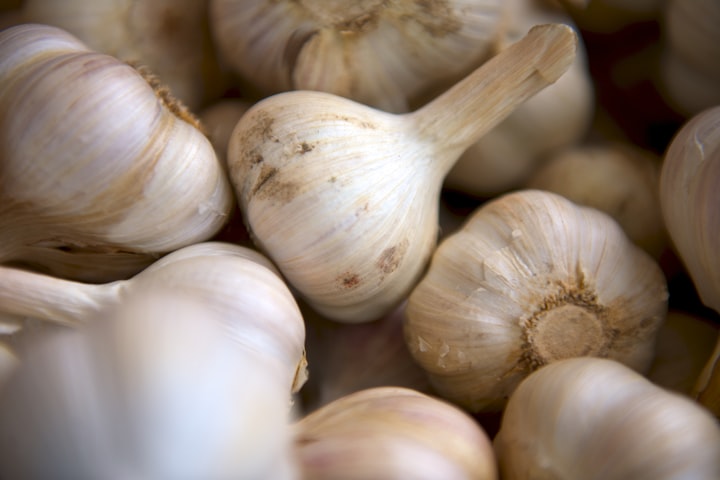
Garlic and Tomato Products: Nitric Oxide Boosters
Garlic and tomato products are loaded with nitric oxide, a compound that helps relax blood vessels, thus lowering blood pressure. Garlic is rich in allicin, a sulfur-containing compound that has been found to have significant blood pressure-lowering effects. This compound stimulates the production of nitric oxide in the body, which helps dilate blood vessels and improve blood flow.
Tomatoes are also a great source of nitric oxide. They contain lycopene, an antioxidant that has been shown to lower blood pressure levels naturally. Lycopene works by improving endothelial function, which is the ability of the arteries to expand and contract properly.

Carrots: Potassium Powerhouse
Carrots are known for their high beta-carotene content, but they're also rich in potassium. Potassium plays a crucial role in regulating blood pressure by counteracting the effects of sodium in the body. Sodium causes water retention and increases blood volume, leading to higher blood pressure levels.

By consuming foods rich in potassium like carrots, you can help your body maintain healthy fluid balance and reduce the risk of hypertension. One medium-sized carrot contains about 400 mg of potassium or 9% of your daily recommended intake.
Bananas: The Perfect Snack for Hypertension
Bananas are one of nature's best sources of both potassium and magnesium - two minerals that work together to lower high blood pressure levels. Potassium helps regulate fluid balance in the body while magnesium promotes relaxation of smooth muscle cells lining the walls of arteries.

In addition to containing heart-healthy nutrients like potassium and magnesium, bananas are also low in sodium - making them an ideal snack for those suffering from hypertension.
Other Foods That Lower Blood Pressure
Flax Seeds: These tiny seeds are packed with omega-3 fatty acids that help reduce inflammation throughout the body - including inflammation in arterial walls.
Olive Oil: This heart-healthy oil is rich in monounsaturated fats, which have been shown to lower blood pressure levels naturally.
Lentils: These legumes are a great source of protein and fiber. They also contain potassium, magnesium, and folate - all of which contribute to healthy blood pressure levels.
Yogurt: Low-fat Greek yogurt is an excellent source of calcium, magnesium, and potassium - all nutrients that help regulate blood pressure.
Lemon Juice: Adding lemon juice to your water or meals can help reduce hypertension. Lemon contains compounds that stimulate the production of nitric oxide in the body - just like garlic and tomato products.
Tomato Products: In addition to fresh tomatoes, tomato products like tomato sauce and canned tomatoes are also great sources of lycopene - a compound that helps lower blood pressure naturally.
Celery: This crunchy vegetable contains phthalides - compounds that have been shown to relax arterial walls and lower blood pressure levels.
Nutrient-Rich Foods for Maintaining Healthy Blood Pressure
Leafy Greens, Oily Fish, and Nuts: Nutrient-Rich Foods for Maintaining Healthy Blood Pressure
High blood pressure is a common health problem that affects millions of people worldwide. It can lead to serious health complications such as heart disease, stroke, and kidney failure if left untreated. Fortunately, there are nutrient-rich foods that can help maintain healthy blood pressure levels.
One of the best types of food to eat for maintaining healthy blood pressure levels is leafy greens. Leafy greens like spinach and kale are rich in potassium, which helps lower blood pressure by relaxing the walls of blood vessels. These vegetables are also high in magnesium, which helps regulate blood flow and reduce inflammation in the body.
Another great type of food to eat for maintaining healthy blood pressure levels is oily fish like salmon and mackerel. Fatty fish contain omega-3 fatty acids, which have been shown to reduce inflammation in the body and improve cardiovascular health. Eating fatty fish regularly has been linked to lower blood pressure levels and a reduced risk of heart disease.
Nuts are also an excellent source of nutrients that can help maintain healthy blood pressure levels. Almonds, pistachios, and walnuts are all high in potassium, magnesium, and healthy fats that can help lower blood pressure over time. Eating a handful of nuts each day as a snack or adding them to meals like salads or stir-fries can be an easy way to incorporate these beneficial nutrients into your diet.
Pomegranate: A Fruit That Helps Lower Blood Pressure
Pomegranate is another nutrient-rich food that has been shown to help lower blood pressure levels over time. This fruit contains nitric oxide, a compound that helps relax the walls of blood vessels and improve circulation throughout the body. Drinking pomegranate juice or eating fresh pomegranate seeds regularly may help reduce high blood pressure over time.
Red Meat: A Food That Should Be Limited
While there are many foods that can help maintain healthy blood pressure levels, there are also foods that should be limited or avoided altogether. Red meat is one of these foods, as it has been linked to an increased risk of high blood pressure and other health problems like heart disease and cancer. Limiting your intake of red meat and choosing leaner protein sources like chicken, fish, or plant-based proteins can help improve your overall health and reduce your risk of developing high blood pressure.
Pumpkin Seeds: A Nutrient-Dense Snack That May Help Lower Blood Pressure
A recent study published in the Journal Nutrients found that pumpkin seeds may help lower blood pressure due to their high nutrient content. These seeds are rich in potassium, magnesium, and other nutrients that have been shown to help reduce inflammation in the body and improve cardiovascular health. Eating a handful of pumpkin seeds as a snack or adding them to meals like salads or oatmeal can be an easy way to incorporate these beneficial nutrients into your diet.
Preparing and Consuming Foods for Optimal Blood Pressure Management
Healthy blood pressure levels are crucial for maintaining overall health and preventing various cardiovascular diseases. While medication can help regulate blood pressure, consuming a healthy diet and maintaining overall health through exercise can also aid in blood pressure regulation. In this section, we will discuss the importance of preparing and consuming foods for optimal blood pressure management.
Achieving Optimal Health with Foods that Lower Blood Pressure
Improving your health doesn't have to be a daunting task. Simple changes in your diet can lead to significant improvements in your blood pressure levels and overall well-being. Incorporating foods that lower blood pressure into your daily meals is an effective way to manage hypertension and promote optimal health.
From leafy greens and berries to nuts and seeds, there are a variety of delicious options available that can help reduce high blood pressure. By making conscious choices about what you eat, you can take control of your health and prevent serious conditions such as heart disease, stroke, and kidney failure.
Leafy greens like spinach and kale are great sources of potassium, which helps regulate blood pressure by counteracting the effects of sodium. Berries such as blueberries and raspberries contain flavonoids that improve artery function, leading to better blood flow. Nuts like almonds and pistachios are rich in healthy fats that lower cholesterol levels, while seeds like chia seeds and flaxseeds provide omega-3 fatty acids that reduce inflammation.
Incorporating these foods into your diet may seem challenging at first, but it can be done with some creativity and planning. Try adding spinach or kale to smoothies or salads for a nutrient-packed meal. Snack on berries or mix them into yogurt for a sweet treat. Replace unhealthy snacks with nuts or seeds for a satisfying crunch.
It's important to note that while these foods have been shown to lower blood pressure, they should not be used as a substitute for medication prescribed by a healthcare professional. However, incorporating them into your diet can complement medical treatment for hypertension.
In addition to consuming these foods regularly, it's important to also limit intake of processed foods high in sodium, saturated fats, and added sugars. Maintaining a healthy weight through regular exercise also plays an important role in managing high blood pressure.
By making small changes in your diet and lifestyle, you can achieve optimal health and lower your risk of developing serious health conditions. Incorporating foods that lower Blood Pressure into your meals is a simple and effective way to take control of your health. Start today by choosing one or two options from this list and incorporating them into your next meal or snack. Your body will thank you for it!
Article Source: Todays Article
About the Creator
Bishnu Banerjee
Hey its Bishnu Banerjee, I am a highly accomplished Blogger and Entrepreneur. I made a significant impact in the world of blogging over the past five years. I invite you to check out widely popular website 'Todays Article'. Thanks a lot.
Keep reading
More stories from Bishnu Banerjee and writers in Lifehack and other communities.
Jump On The Instagram & YouTube Bandwagon w/ AI FACES Now...Review
Hey there, folks! Gather 'round and let me introduce you to the magnificent world of Viral Faces AI – the one-of-a-kind, mind-blowing AI face video creator! Buckle up because we're about to dive deep into this revolutionary tool that'll have your jaw dropping and your content soaring!
By Bishnu Banerjee3 years ago in Lifehack
Twiddling Your Thumbs: A Simple Habit That Offers Surprising Mental Health Benefits
Thumb twiddling has emotional benefits “Twiddling your thumbs” is an expression that means someone is doing nothing while passing the time away, or they are feeling bored or waiting. The phrase suggests wasting time or idleness but this simple repetitive motion of interlocking fingers and moving the thumbs together in a circular pattern is a self-soothing behavior that psychologists recognize as potentially beneficial for mental health well-being.
By Cheryl E Prestonabout 17 hours ago in Lifehack




Comments
There are no comments for this story
Be the first to respond and start the conversation.