
10 Useful Tips to Find The Perfect Tiles for Your Home
Thinking About Renovating? Read This Before Choosing Tiles
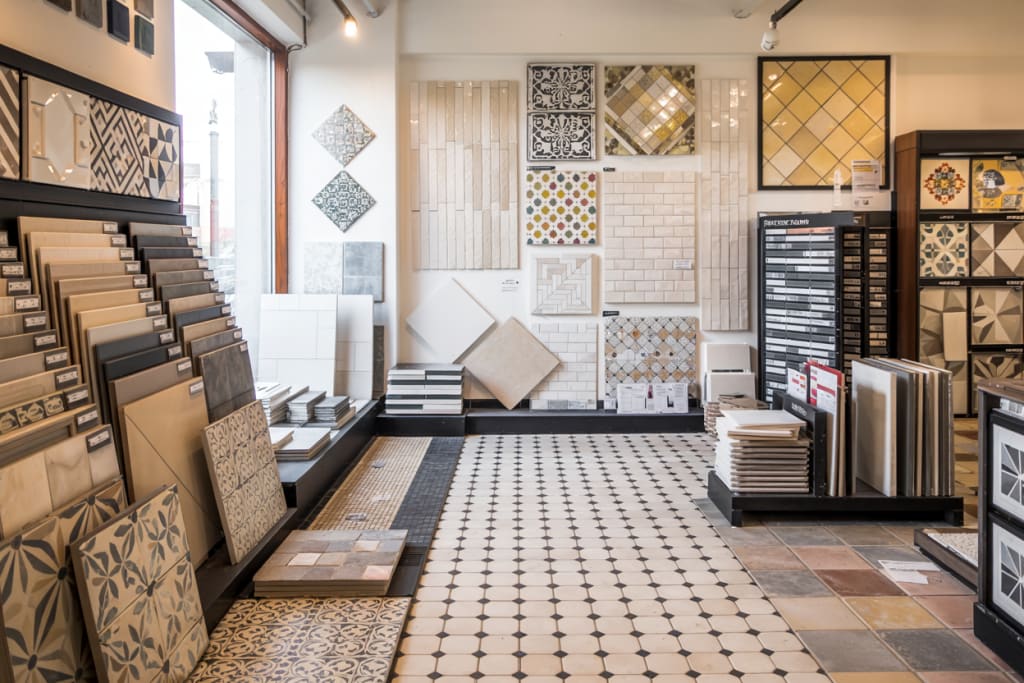
10 Expert Tips for Choosing the Perfect Tiles for Your Home
Choosing the right tiles for your home can feel like a daunting task. With thousands of options available—ranging in style, size, material, and color—it’s easy to get overwhelmed. But don’t worry. Whether you’re designing a cozy bathroom, a spacious kitchen, or a welcoming entryway, there are tried-and-true tips to guide you. Below are 10 expert tips to help you pick the perfect tiles that blend beauty, durability, and functionality.
1. Know Your Space and Its Function
The first and most important step is to understand the space you're tiling. Is it a bathroom where water resistance is key? A high-traffic hallway that needs durable flooring? Or a kitchen backsplash where aesthetics and easy cleaning matter most? Tiles that work well on bathroom walls may not be suitable for kitchen floors. Knowing the purpose of the space will narrow down your choices and help you focus on tiles that are built for the environment.
2. Choose the Right Tile Material
Not all tile materials are created equal. Ceramic tiles are cost-effective and ideal for walls or low-traffic floors. Porcelain tiles are denser, more durable, and water-resistant—perfect for high-traffic areas, bathrooms, and kitchens. Natural stone like marble, granite, or travertine offers a luxurious finish but may require sealing and regular maintenance. Glass tiles are excellent for backsplashes and decorative accents, while vinyl tiles are great for quick, affordable, and water-resistant flooring.
3. Think About Tile Size and Layout
Tile size can dramatically impact how a room looks and feels. Large-format tiles create a sense of openness and reduce grout lines, making spaces appear more seamless—ideal for modern kitchens and bathrooms. Smaller tiles, such as mosaics, are better suited for intricate designs or small areas like shower floors. Consider how the size and pattern of tiles will work with the proportions of your room.
4. Pick Colors That Match Your Style and Mood
Color plays a huge role in setting the mood of a space. Light-colored tiles can make a room feel larger and more open, which is perfect for smaller bathrooms or condos. Darker tiles add depth and drama, often used to make a bold design statement. Neutral tones like beige, gray, and ivory are timeless and offer versatility. Bold colors or patterned tiles can be used to create a focal point or add personality to a room.
5. Pay Attention to Texture and Finish
Glossy tiles reflect light, making them ideal for walls or areas where you want to add brightness. However, they can become slippery when wet, so they’re not recommended for floors in wet areas. Matte tiles provide a more natural and subtle look, offer better slip resistance, and are great for bathroom floors and other high-moisture zones. Textured or stone-look tiles can add a rustic or earthy touch, making them perfect for entryways or feature walls.
6. Don’t Overlook Grout Color and Width
Grout might seem like a minor detail, but it can significantly affect the final look of your tiled space. Choosing a grout color that matches your tile creates a seamless, clean look. On the other hand, contrasting grout can highlight patterns and create visual interest. The width of the grout lines can also impact how modern or traditional your space feels. Narrow grout lines offer a sleek, contemporary finish, while wider lines can emphasize a rustic or classic aesthetic.
7. Factor in Maintenance and Cleaning
Before choosing a tile, think about how much time and effort you’re willing to invest in cleaning and maintenance. Porcelain and ceramic tiles are generally easy to clean and require little upkeep. Natural stone tiles, while beautiful, are porous and often require sealing and special care. Textured tiles might add visual depth, but they can also trap dirt and require more effort to keep clean. Always ask about maintenance requirements before making a purchase.
8. Consider Long-Term Durability
It’s tempting to pick tiles based on looks alone, but durability should always be a priority—especially in high-traffic areas like kitchens, hallways, and living rooms. Check the tile’s PEI (Porcelain Enamel Institute) rating, which measures hardness and durability. For residential floors, look for tiles with a PEI rating of 3 or higher. Investing in high-quality tiles upfront can save you money and headaches in the long run.
9. Request Samples Before Committing
Seeing tiles in a showroom is different from seeing them in your home’s lighting and layout. Always take home a few samples before making a final decision. Test how they look in natural and artificial light, how they pair with your existing decor, and how they feel underfoot. A sample can help you avoid costly mistakes and ensure you're 100% happy with your choice.
10. Work with a Professional or Visit a Trusted Tile Store
If you're unsure where to start or need help visualizing the final result, don't hesitate to consult with a tile expert. Reputable tile stores have experienced staff who can recommend the best materials and styles for your space, lifestyle, and budget. They can also help with measurements, layout ideas, and installation advice. A little expert guidance can make a huge difference in the final outcome.
Final Thoughts
Choosing the perfect tiles for your home doesn’t have to be stressful. By considering the room’s function, tile material, size, color, and maintenance requirements, you can make informed decisions that elevate your space and stand the test of time. Whether you're remodeling a single bathroom or tiling an entire home, these expert tips will help you find the perfect balance between style and practicality.
Ready to start your tile journey? Visit a trusted tile showroom near you to explore your options and get inspired.
About the Creator
Keep reading
More stories from Flooring Tips and writers in Lifehack and other communities.
The Hammock Handbook: Types, DIY, and Hanging with Brackets
Hammocks are the ultimate symbol of relaxation, offering a cozy spot to unwind, nap, or simply enjoy the outdoors. Whether you’re dreaming of lounging in your backyard, setting up camp in the wilderness, or adding a unique touch to your indoor space, a hammock can transform any area into a personal retreat. Even better, making your own hammock is a fun and rewarding project that lets you customize it to your exact preferences. And when it comes to hanging your creation, hammock brackets play a crucial role in ensuring safety and stability.
By Flooring Tips12 months ago in Lifehack
How Sherman Lai Integrates Natural Therapies for Whole-Body Wellness
Many people have begun searching for natural methods to enhance their general health and well-being in recent years. Holistic healthcare concentrates on balancing the overall body rather than just treating symptoms. Because they promote long-term wellbeing, natural treatments including acupuncture, herbal medicine, and lifestyle counseling are growing in popularity. Sherman Lai, a practitioner renowned for this well-rounded approach, combines many natural healing techniques to assist people in achieving whole-body wellbeing.
By Sherman Lai Guelph3 days ago in Lifehack




Comments (1)
Hello, just wanna let you know that according to Vocal's Community Guidelines, we have to choose the AI-Generated tag before publishing when we use AI 😊