
10 things you need to know about hand surgery
An orthopaedic hand surgeon is an expert who diagnoses, treats and manages various conditions of the hand, wrist and forearm. Consulting with an orthopaedic hand specialist is advisable to ensure proper diagnosis, treatment, and rehabilitation of your problems.

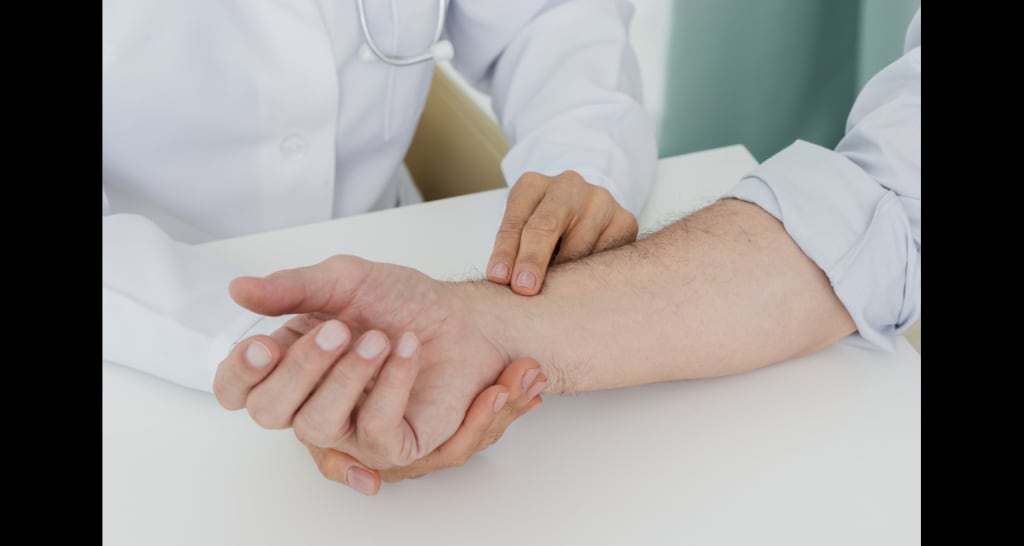
An orthopaedic hand surgeon is an expert who diagnoses, treats and manages various conditions of the hand, wrist and forearm. This skill is essential to treating trauma, diseases and congenital deformities in one of the most complex yet vital parts of the human body.
Whether it's about preparing for an appointment, undergoing surgery, or just developing curiosity about the field, here are ten things you need to know about hand surgery and those who perform it.
1. Experts in the field
An orthopaedic hand surgeon undergoes long-term training over and above the education in medical school and general orthopaedics. After their residency in surgery, they usually go on to another one to two years of fellowship relating to hand, wrist and forearm conditions. This extensive specialisation prepares them for dealing with everything from issues of traumatic injuries to chronic diseases like arthritis.
2. Treatment of wide-ranging conditions
An orthopaedic hand specialist deals with an array of problems involving the hands and wrists, excluding but not limited to fractures, ligament injuries, tendonitis, nerve compression like carpal tunnel syndrome, arthritis and congenital deformities in children. Besides traumatic injuries like crushes and lacerations, they are also capable of dealing with degenerative disorders that cause impairment of hand functions with time. Some surgeons are also specialists in microsurgery, allowing them to reattach severed limbs, repair injured nerves or conduct reconstructive surgery after injury.
3. Hand surgery can be minimally invasive
Many people relate surgery to large incisions and extensive recoveries, however techniques have continued to evolve, allowing many hand conditions to be treated with minimal invasion. Most surgeons today use smaller skin incisions and specialised instruments to perform surgery like carpal tunnel release or repair of torn tendons. Minimally invasive surgery shortens recovery times, reduces the risk of infection and limits scarring, making it a preferable option for both patients and surgeons.
4. The need for surgical precision
The hand is a very complex organ with 27 bones, 34 muscles, and a large number of nerves and blood vessels; all work in liaison to enable movement and sensation. Therefore, surgical precision is essential. Even minor errors in surgery can lead to lessened function, loss of sensation, or chronic pain.
The orthopaedic hand specialist is specially trained in surgery, frequently with the use of microscopes, to deal with the small nerves and blood vessels involved. The precision of their work helps the patient regain maximum use of the injured extremity.
5. Non-surgical options
Although hand surgeons are surgical specialists, they also emphasise non-surgical treatments for many conditions. The most common therapies include splinting, physical therapy, anti-inflammatory medications, and corticosteroid injections.
For disorders such as arthritis or tendonitis, the symptoms and dysfunction can often be significantly improved, or even entirely relieved, by non-surgical options. In cases where these measures fail to provide an acceptable level of relief, surgery may be required.
6. The importance of physical therapy
Physical therapy plays an important part in the patient's recovery following surgery. Often surgeons collaborate with hand therapists to get personalised rehabilitation programs for their patients.
This may include exercises to improve range of motion, strength training, and manual therapy to reduce stiffness and improve circulation. It is done with the aim of restoring function as quickly and completely as possible, with the minimum number of long-term limitations.
7. Treatments for all ages
Surgeons can treat all ages - from a small child with a congenital hand deformity to an older adult ailing from arthritis. Since the bones of children are still growing, paediatric procedures require special expertise however. Conditions such as syndactyly, webbed fingers and congenital hand anomalies have to be reviewed with extra special care.
Analogously, profound knowledge of how ageing acts upon the bones and soft tissues of the hand is necessary for effective therapy in aged patients' pathologies, such as osteoarthritis or osteoporotic wrist fractures.
8.Collaboration with other medical specialists
Hand surgeons never practise in isolation. Many of them often team up with other experts, like neurologists, plastic surgeons, and rheumatologists. The input from various specialists ensures comprehensive care. For instance, a patient with rheumatoid arthritis affecting the hand may need a rheumatologist's input for the medical management of their condition, while the orthopaedic hand surgeon addresses the surgical interventions. The approach involves a multidisciplinary team that considers patient needs and holistic care.
9. Advances in technology
Real technological advancement has transformed the field of orthopaedic hand surgery, be it robotic-assisted surgery, advanced imaging techniques such as 3D MRI, or custom prosthetics. Such innovations allow for precision in surgeries, quicker recoveries, and improved results.
For instance, 3D printing technology enables surgeons to fabricate custom implants or surgical guides that will exactly fit the anatomy of the patient and guarantee more successful outcomes with quicker rehabilitation.
10. Preventive care
The surgeon treats injuries, but also has a preventive role to play. They educate patients on proper hand ergonomics, so that people engaged in occupations with a higher risk of repetitive stress injuries, such as musicians or office workers, may prevent conditions such as carpal tunnel syndrome or tendonitis.
They also advise athletes on various injury prevention methods and the use of protective devices such as wrist guards for skaters or gymnasts. A great part of a surgeon's contribution to long-term hand health can lie in preventive care.
Consulting with an orthopaedic hand specialist is advisable to ensure proper diagnosis, treatment, and rehabilitation of your problems. These specialists are committed to the restoration of hand function and improvement of quality of life by surgical or conservative means.
For patients undergoing surgery or suffering from a chronic condition, services like Gold Coast hand therapy will maximise your rehabilitation and help in returning strength, mobility, and functionality to your hands.
About the Creator
Amara Gomez
I am skilled in go-to-market strategy, product and consumer insights, messaging, demand generation, digital marketing (PPC, SEO, social, email, website, content, etc...) product marketing, customer advocacy, and content development.
Keep reading
More stories from Amara Gomez and writers in Lifehack and other communities.
Seven upgrades to renovate your home with modern floor tiles in Melbourne
Renovation can be a wonderful opportunity to update your home, keeping it in step with the latest trends and adding significant value and functionality. Nothing perhaps states that better than giving the floors of your house a complete face-lift with brand-new tiles. In Melbourne, a city famous for eclectic architecture and design sensibilities, modern floor tiles represent the perfect way any homeowner can merge style, durability, and practicality.
By Amara Gomezabout a year ago in Lifehack
12 Easy Tattoo Filler Ideas to Elevate Your Existing Tattoo
Hard to think of what could fill such awkward slots between the dome? Hence, the need for them is simple tattoo filler ideas since they have realized that their half-sleeve or patchwork design looks a bit slanted and incomplete, so this is a wonderful place to start.
By AMRYTT MEDIA3 days ago in Lifehack
I Learned How to “Read” a Book in Just One Hour—And Still Remember Everything
For years, I believed reading a book properly meant going through every single page, line by line, without skipping anything. It felt like a rule you weren’t allowed to break. If you skipped parts, you weren’t really reading—you were cheating.
By Lukáš Hrdlička7 days ago in Lifehack




Comments
There are no comments for this story
Be the first to respond and start the conversation.