Latest Stories
Most recently published stories on Vocal.
Companies Are Ditching Business With ICE. AI-Generated.
As national protests against immigration enforcement intensify — especially after recent shootings by ICE agents in Minneapolis — pressure on corporations with contracts or ties to U.S. Immigration and Customs Enforcement (ICE) is rising sharply. In response to public backlash from consumers, employees, activists, and even shareholders, some companies are now ending or reconsidering their business relationships with ICE. � Houston Chronicle +1 Capgemini Divests U.S. Subsidiary Over ICE Contract One of the most high‑profile examples of this shift comes from European technology and consulting firm Capgemini. Capgemini announced it will divest its U.S. subsidiary, Capgemini Government Solutions (CGS), which had a multimillion‑dollar contract providing services to ICE — including controversial “skip tracing” tools used to locate individuals targeted for enforcement. � Gizmodo +1 The company’s leadership acknowledged the backlash and reputational risk linked to the contract, noting that the unit accounted for only a small fraction of total revenue — but that public and governmental scrutiny made the association untenable. � AP News Capgemini’s shares even rose after the announcement, signaling that some investors view the move as a proactive response to reputational concerns. � Reuters This decision is notable not just because Capgemini is a major global firm, but because it reflects international scrutiny on U.S. immigration enforcement policies and corporate participation. U.S. Companies and ICE Contracts Under Fire While Capgemini’s move is one of the clearest examples of divestment, a broader debate is unfolding around U.S. companies with active or historical ties to ICE: Avelo Airlines Ends Deportation Flights Houston‑based Avelo Airlines confirmed that it will stop operating deportation flights for ICE out of Arizona, a decision that sparked mixed reactions from local media and activists. � Houston Chronicle Public Pressure on National Brands Activists have increasingly called out major corporations for their perceived neutrality or silence over ICE policies, including targeting companies like Target during protests demanding they cut ties or take public stances against enforcement operations. � FOX 13 Seattle In Minneapolis and other cities, major employers such as General Mills, Target, and Caribou Coffee have faced pressure as local communities struggle with the impacts of ICE activity. � Star Tribune Shareholders and Internal Critics Criticism isn’t limited to external protests. Shareholders of firms like Bering Straits Native Corporation (BSNC) have asked leadership to divest from federal contracts tied to ICE, arguing that such business deals conflict with corporate values. � The Nome Nugget Companies Still Contracting With ICE — And Why It Matters Despite these moves, many corporations still maintain ICE contracts or work indirectly with the agency through government service arrangements. For example: Large contractors such as Palantir Technologies have ongoing data and operational contracts with ICE, playing a core role in building enforcement technology platforms. � Wikipedia Many Fortune 500 firms provide goods, services, or technology support to ICE field offices — from delivery services to IT systems — although some of these contracts are relatively small and set to expire in the coming months. � aol.com Advocates argue that exposing and challenging these relationships can put further pressure on both corporations and policymakers in Washington, particularly in light of renewed debates over immigration policy and the agency’s expanding role under the Trump administration. Why Companies Are Cutting Ties or Facing Pressure There are several key reasons why businesses are reconsidering their relationships with ICE: 1. Brand and Reputation Risk Public backlash over corporate ties to controversial enforcement actions — especially those that have resulted in deaths or heavy‑handed operations — threatens consumer loyalty and brand value. This is particularly true for companies with strong global consumer bases. 2. Employee and Shareholder Activism Workers and investors increasingly expect companies to act in line with ethical values. When a business is linked, even indirectly, to enforcement activities that harm communities, internal pressure can grow for leadership to take action — as seen with BSNC and other shareholder challenges. � The Nome Nugget 3. Political and Regulatory Scrutiny International and governmental criticism, including from French officials in Capgemini’s case, elevates the reputational stakes of continuing controversial contracts. � AP News 4. Public Campaigns and Boycotts Across U.S. cities, campaigns such as “ICE Out” are calling for companies to publicly denounce or discontinue support for ICE, leading to protests targeting major brands. � FOX 13 Seattle Not Just Divestment — A Broader Corporate Reckoning The trend is part of a broader conversation about corporate responsibility, ethics, and the intersection of business and public policy: Grassroots movements and advocacy groups are pushing for more transparency and accountability from corporations that hold government contracts, particularly those involving enforcement or surveillance technologies. � The Nation Some activists believe that reducing corporate support for enforcement agencies could weaken those agencies’ capacity to carry out controversial operations, essentially forcing policy change through economic means. � Reddit However, not all companies are willing or able to end contracts — especially if they involve long‑term government procurement or critical technology infrastructure. This underscores the complexity of disentangling private sector interests from federal enforcement systems. What Comes Next As protests and public debates over immigration enforcement continue, it’s likely that: More companies will face scrutiny over their ties to ICE and related agencies. Consumer and employee campaigns may grow, especially on social media and grassroots organizing platforms. Investors may increasingly weigh ethical considerations when evaluating corporate governance and risk exposure. The broader trend reflects a moment where corporate values, public policy, and civic activism intersect — with companies weighing not just profitability but social and ethical impact.
By Zahid Hussain9 days ago in The Swamp
Curious Paths to Sustainability Through Nature and Community
Have you ever stopped to think about what sustainability really means and why it matters so much today? Sustainability is more than just an environmental word. It is a way of living that helps people meet their needs while also protecting the planet for future generations. Championing sustainability means finding a balance between human development, natural conservation, and strong communities.
By Abba Leffler9 days ago in Longevity
Manzoor: The Boy Who Healed Hearts.. AI-Generated.
When he was admitted to the hospital, his condition was very bad. On the first night he was kept only on oxygen. The nurse who was on duty thought that this new patient would die before morning. His pulse rate was uncertain. His body was soaked in sweat. Sometimes he lay on one side and sometimes on the other. When the restlessness increased, he would sit up and start taking long breaths. His color was yellow like a lump of turmeric. His eyes were sunken inward. The bridge of his nose was cold like a piece of ice. There was trembling over his whole body.
By Muhammad Haris khan 9 days ago in Fiction
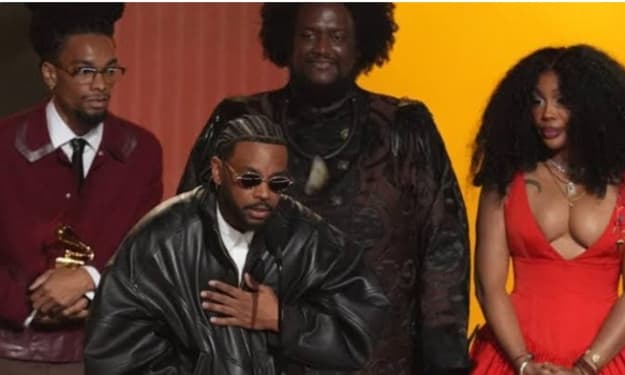
Grammy Awards 2026: A Night That Redefined Global Music. AI-Generated.
The Grammy Awards 2026 were not just another celebration of music — they were a statement. Held on February 1, 2026, in Los Angeles, the 68th Annual Grammy Awards marked a turning point in the history of global music. From Spanish-language albums winning top honors to genre-defying artists dominating the night, the ceremony reflected how deeply music has evolved beyond borders, language, and tradition. This year’s Grammys proved one thing clearly: music is no longer confined to one culture, one sound, or one language. Bad Bunny Makes History with Album of the Year Album of the Year Debí Tirar Más Fotos – Bad Bunny The most talked-about moment of the night came when Bad Bunny won Album of the Year, becoming the first artist to ever win the award with a Spanish-language album. This win was more than a personal achievement — it was a cultural milestone. Debí Tirar Más Fotos blends reggaeton, Latin pop, and emotional storytelling, resonating with millions across the world. The album’s success sent a powerful message: global audiences are ready to embrace music in any language, as long as it is authentic and meaningful. Bad Bunny’s victory symbolized the growing influence of Latin music and the breaking of long-standing barriers within the Recording Academy. Record of the Year: A Powerful Collaboration Record of the Year “Luther” – Kendrick Lamar & SZA Kendrick Lamar and SZA’s collaboration “Luther” earned Record of the Year, and rightfully so. The track stood out for its deep lyrical content, smooth production, and emotional intensity. Kendrick Lamar has long been known for blending social commentary with artistic excellence, and “Luther” continued that legacy. Paired with SZA’s soulful vocals, the song became one of the most impactful releases of the year, proving that meaningful music still has a strong place in mainstream success. Song of the Year: Billie Eilish’s Emotional Brilliance Song of the Year “Wildflower” – Billie Eilish Billie Eilish once again demonstrated why she is one of the most influential artists of her generation. Winning Song of the Year for “Wildflower,” Billie captured raw emotion, vulnerability, and poetic simplicity in a way few artists can. The song’s minimalist production and heartfelt lyrics connected deeply with listeners, reinforcing the idea that emotional honesty often outshines overproduction. “Wildflower” became an anthem for self-reflection and growth, earning both critical acclaim and fan admiration. Best New Artist: Olivia Dean Shines Best New Artist Olivia Dean The Best New Artist award went to Olivia Dean, a rising star whose soulful voice and elegant songwriting set her apart from the crowd. Her win marked the arrival of a fresh and promising talent in the industry. Olivia Dean’s music blends classic soul with modern pop sensibilities, offering something both nostalgic and new. Industry experts predict a long and successful career ahead for the young artist. Lady Gaga’s Triumphant Return to Pop Glory Best Pop Vocal Album Mayhem – Lady Gaga After years of experimentation across genres, Lady Gaga returned to her pop roots — and did so in spectacular fashion. Mayhem won Best Pop Vocal Album, celebrating bold production, fearless creativity, and Gaga’s unmistakable vocal power. The album showcased her ability to reinvent herself while staying true to her artistic identity. Gaga’s win reminded the world why she remains one of pop music’s most enduring icons. Best Pop Solo Performance “Messy” – Lola Young Lola Young earned recognition for Best Pop Solo Performance, with “Messy” resonating strongly with younger audiences through its emotional depth and raw delivery. Kendrick Lamar Dominates Rap Categories Kendrick Lamar emerged as one of the biggest winners of the night, reinforcing his status as one of the most important voices in modern hip-hop. Best Rap Album GNX – Kendrick Lamar Best Rap Song “TV Off” – Kendrick Lamar Best Melodic Rap Performance “Luther” – Kendrick Lamar & SZA These wins highlighted Kendrick’s lyrical mastery, storytelling ability, and fearless approach to addressing social realities through music. Rock and Alternative Music: Old and New Unite Best Rock Album Never Enough – Turnstile Turnstile brought fresh energy to rock music, winning Best Rock Album with Never Enough. Their sound bridges hardcore roots with mainstream appeal, proving that rock is far from dead. Best Metal Performance “Birds” – Turnstile Best Alternative Music Album Songs of a Lost World – The Cure The Cure’s win demonstrated that legendary bands can still create powerful, relevant music decades into their careers. Their album resonated with longtime fans while attracting new listeners. Electronic Music Breaks Boundaries Best Dance/Electronic Album Eusexua – FKA twigs FKA twigs delivered one of the most innovative electronic albums of the year. Eusexua pushed creative boundaries, blending futuristic sounds with emotional storytelling, earning critical praise and a Grammy win. Country Music’s Emotional Core Best Contemporary Country Album Beautifully Broken – Jelly Roll Best Country Solo Performance “Bad as I Used to Be” – Chris Stapleton Country music remained grounded in storytelling and emotion. Jelly Roll’s deeply personal album and Chris Stapleton’s soulful performance highlighted the genre’s enduring power. Film, Music, and an EGOT Moment Best Music Film Music by John Williams One of the night’s most historic moments came when Steven Spielberg achieved EGOT status after winning a Grammy for Music by John Williams. The achievement placed him among an elite group of entertainers who have won an Emmy, Grammy, Oscar, and Tony. Why the Grammy Awards 2026 Were Different The 2026 Grammys stood out because they: Celebrated global and non-English music Recognized genre diversity and innovation Balanced new talent with legendary artists Reflected changing listener preferences worldwide The Recording Academy clearly embraced evolution, making the ceremony more inclusive and relevant than ever before. Final Thoughts: Music Without Borders The Grammy Awards 2026 delivered a powerful reminder that music belongs to everyone. From Bad Bunny’s historic win to Billie Eilish’s emotional songwriting and Kendrick Lamar’s lyrical dominance, the night celebrated authenticity over convention.
By Zahid Hussain9 days ago in The Swamp
The Cities of Tomorrow: Living in a World Run by Robots
In the rapidly evolving landscape of urban development, robotics and artificial intelligence (AI) are no longer confined to laboratories or sci-fi movies. Today, they are poised to reshape the way we live, work, and interact within our cities. As we stand on the brink of this technological revolution, understanding the implications of robot-run urban environments is critical for both policymakers and citizens.
By muhammed salman9 days ago in Futurism