
Zero-Based Budgeting: The Secret to Controlling Your Finances
Personal Finance - Budgeting & Money Management

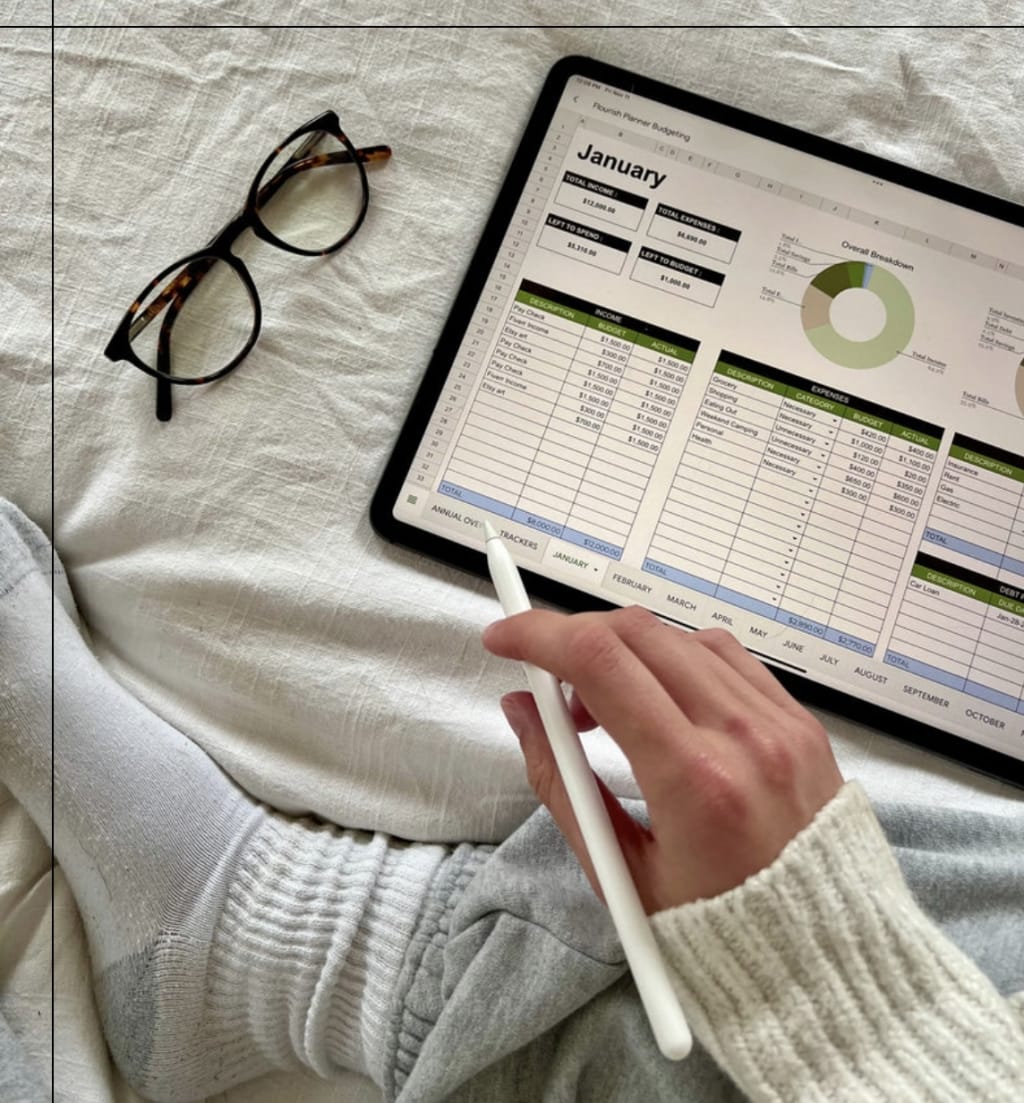
Managing personal finances can be overwhelming, but one effective method that has helped many people take control of their money is zero-based budgeting. This approach ensures that every dollar you earn is assigned a specific purpose, helping you maximize savings, control spending, and work toward financial goals. If you struggle with budgeting or want to refine your financial strategy, zero-based budgeting might be the perfect solution.
What Is Zero-Based Budgeting?
Zero-based budgeting (ZBB) is a budgeting method where you allocate every dollar of your income to a specific category until there is no money left unassigned. In other words, your income minus your expenses should equal zero by the end of the month. This doesn’t mean you spend everything—it means you give every dollar a job, whether it’s for savings, debt repayment, or necessary expenses.
How Zero-Based Budgeting Works
The process of zero-based budgeting involves three key steps:
Calculate Your Income – Add up all sources of income for the month, including salary, freelance work, side hustles, and any other earnings.
List Your Expenses – Break down your expenses into essential categories, such as rent, utilities, groceries, insurance, transportation, debt payments, and discretionary spending.
Assign Every Dollar – Allocate funds to each category until your total income and total expenses balance out to zero.
Example of a Zero-Based Budget
Imagine your monthly income is $3,500. Here’s how you might allocate it using the zero-based budgeting method:
Rent: $1,000
Utilities: $200
Groceries: $400
Transportation: $250
Insurance: $150
Debt Repayment: $400
Savings: $600
Entertainment: $200
Miscellaneous: $300
Total: $3,500 - $3,500 = $0
Every dollar has been allocated, ensuring that your money is working efficiently for you.
Benefits of Zero-Based Budgeting
✅ Gives You Full Control Over Your Money – With every dollar assigned, there’s no room for mindless spending.
✅ Encourages Saving and Debt Repayment – Helps prioritize savings and paying down debts rather than spending impulsively.
✅ Prevents Overspending – Since every expense is accounted for, it’s easier to avoid unnecessary purchases.
✅ Flexible and Adaptable – You can adjust your budget monthly based on changing financial circumstances.
Challenges of Zero-Based Budgeting
❌ Requires Consistent Tracking – You must regularly monitor your income and expenses to stay on track.
❌ Takes Time to Set Up – Initial setup can be time-consuming, especially if you’re new to budgeting.
❌ May Feel Restrictive – Some people may find it difficult to limit discretionary spending.
Tips for Success with Zero-Based Budgeting
Use Budgeting Apps – Apps like YNAB (You Need A Budget), Mint, or EveryDollar can simplify tracking and adjustments.
Plan for Irregular Expenses – Set aside money for occasional expenses like car maintenance or medical bills.
Review Monthly – Adjust categories as needed to fit changes in income or unexpected costs.
Prioritize Savings and Debt Repayment – Make saving a non-negotiable part of your budget.
Final Thoughts
Zero-based budgeting is a powerful tool that can help you take control of your finances by ensuring that every dollar has a purpose. While it requires discipline and careful tracking, the long-term benefits include improved financial stability, better savings habits, and reduced debt. If you’re looking for a budgeting method that puts you in charge of your money, zero-based budgeting is worth trying.
Start implementing it today and take a step toward financial freedom!
About the Creator
𝑅𝒶𝓎𝒶 𝐸𝓋𝑒𝓇𝓁𝓎 🦋
Raya Everly is a writer who shares insights on personal growth, wellness, and smart living. New destinations for travel, entertainment, pop culture, and the latest tech innovations, offering readers engaging and informative content 🎀✨
Keep reading
More stories from 𝑅𝒶𝓎𝒶 𝐸𝓋𝑒𝓇𝓁𝓎 🦋 and writers in Journal and other communities.
How to Save Money on a Low Income
Saving money can be challenging, especially when living on a low income. However, with the right strategies, it is possible to build financial stability and even grow your savings over time. Whether you’re working a minimum-wage job, supporting a family, or just trying to make ends meet, the following practical steps will help you save money and secure your financial future.
By 𝑅𝒶𝓎𝒶 𝐸𝓋𝑒𝓇𝓁𝓎 🦋12 months ago in Journal
Why Aircraft Electronics and Systems Are the Backbone of Modern Aviation
When you step in a modern aircraft, you might marvel at its sleek design and impressive size. But behind the scenes, it’s the electronics and systems that make air travel not just possible, but efficient, safe, and comfortable. From the cockpit to the cabin, these systems are the lifeblood of modern aviation. Let’s explore why aircraft electronics and systems are more than just components they're the backbone of today’s aviation industry.
By Beckett Dowhan6 days ago in Journal
Cabin Fever Because of Snow, Sleet, and Freezing Rain That Turned to Icy Roads
What Is Cabin Fever? The short answer is that cabin fever is restlessness from being in a confined area. Cabin fever is the distressing irritability or restlessness experienced when a person or group is stuck at an isolated location or in confined quarters for an extended time. Research shows that prolonged cold, gray skies, and being stuck indoors can trigger mood shifts similar to “winter blues.”
By Margaret Minnicksabout 21 hours ago in Humans



Comments
There are no comments for this story
Be the first to respond and start the conversation.