
Zambia’s Power Outage Crisis: Lessons from the Worst Blackout in Years
Zambia’s Power Outage Crisis
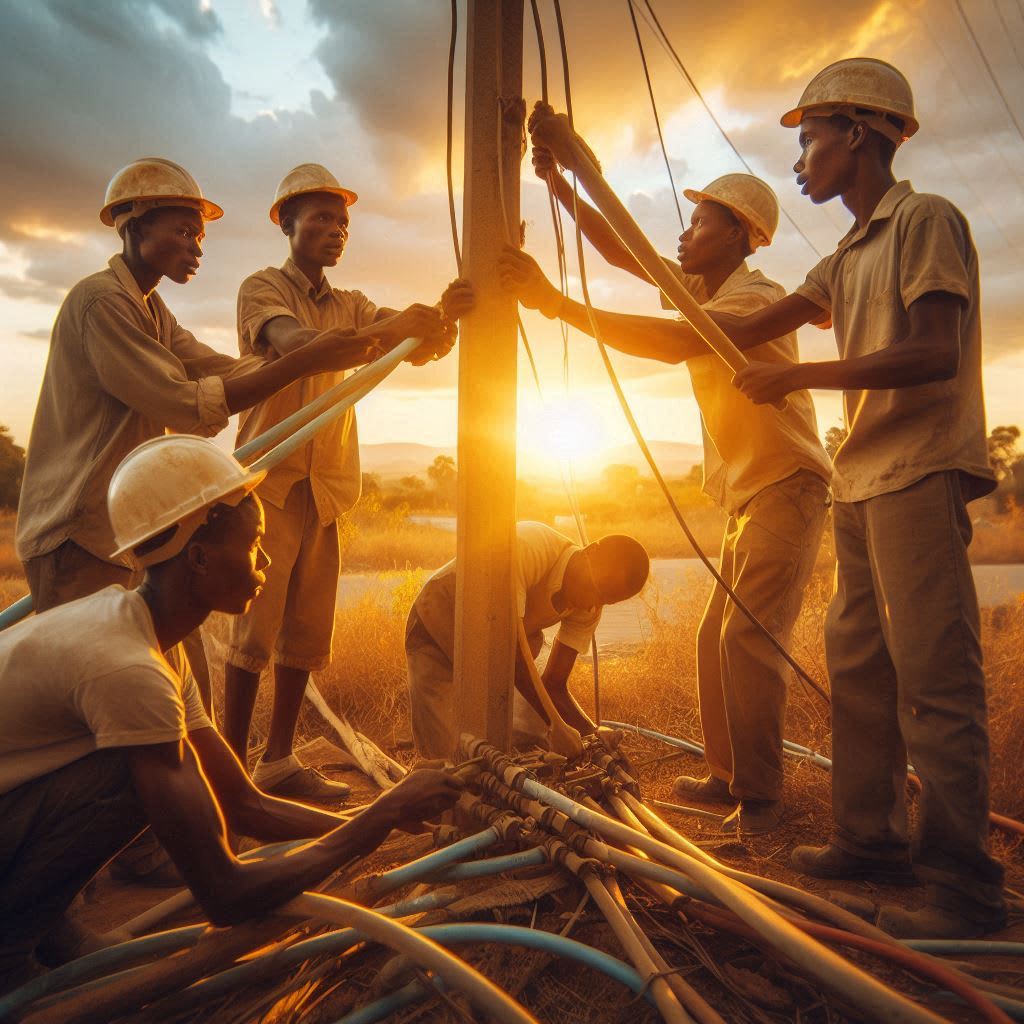
Zambia recently experienced its most severe power outage in years, plunging homes, businesses, and essential services into darkness. The crisis has raised significant concerns about the country's energy infrastructure, resilience, and future energy security. Here, we take a closer look at the causes, impacts, and key lessons Zambia can draw from this unprecedented event.
The Causes Behind the Crisis
The power outage, which left large parts of Zambia in darkness, was attributed to:
Aging Infrastructure:
Zambia’s energy grid has long struggled to keep up with modern demands. With many components outdated, the system is prone to failures, particularly under stress.
Over-reliance on Hydropower:
The nation heavily depends on hydropower, which supplies more than 85% of its electricity. This dependence makes the grid vulnerable to seasonal water level fluctuations and climate change impacts.
Limited Maintenance and Upgrades:
A lack of consistent investment in grid maintenance has compounded the problem. Without regular upgrades, even minor faults can spiral into large-scale blackouts.
Increased Demand:
Rapid urbanization and economic growth have driven a surge in electricity demand. Unfortunately, the energy supply has not expanded at the same pace.
The Impact of the Blackout
The effects of the blackout have been felt across various sectors:
Economic Disruption:
Businesses relying on consistent power were forced to shut down temporarily, leading to financial losses and reduced productivity.
Health and Safety Risks:
Hospitals faced challenges in running life-saving equipment, and the lack of street lighting increased security risks for citizens.
Education Interruptions:
Schools relying on electricity for digital learning had to suspend lessons, affecting students’ education.
Agricultural Losses:
Farmers dependent on powered irrigation systems and storage facilities reported spoilage and reduced yields.
Lessons Learned and Path Forward
Diversify Energy Sources:
To reduce reliance on hydropower, Zambia must invest in alternative energy sources such as solar, wind, and geothermal power. Diversification will create a more balanced and resilient energy mix.
Modernize Infrastructure:
Upgrading the national grid is essential to prevent future outages. Investments in smart grid technology can improve fault detection and recovery time.
Regional Energy Collaboration:
Partnering with neighboring countries for energy sharing during crises can provide a buffer against local shortages.
Encourage Private Sector Participation:
Opening the energy sector to private investors can accelerate the development of new power projects and improve service delivery.
Climate-Resilient Energy Planning:
As climate change impacts hydropower, integrating climate resilience into energy planning will ensure a steady and sustainable supply.
Government’s Response
In the wake of the crisis, the Zambian government has pledged to address the systemic challenges plaguing the energy sector. Initiatives under consideration include:
Increased funding for energy infrastructure.
Promoting renewable energy projects.
Streamlining regulatory processes to attract private investment.
Empowering Communities Through Energy Education
While systemic changes are necessary, educating communities about energy conservation and efficiency can also play a crucial role. Public awareness campaigns can encourage citizens to adopt energy-saving practices and reduce strain on the grid.
Conclusion
Zambia’s recent power outage serves as a wake-up call for the urgent need to revamp its energy infrastructure. By learning from this crisis and taking proactive measures, the nation can build a resilient, sustainable energy system that supports its economic growth and citizens’ well-being.
This blackout is a challenge, but it’s also an opportunity to reimagine Zambia’s energy future—a future where power outages are a thing of the past.
About the Creator
Mutale Ngoma
Passionate about politics and staying informed on global events. I enjoy discussing current affairs, exploring different perspectives, and staying updated on the latest news shaping the world.
Keep reading
More stories from Mutale Ngoma and writers in Journal and other communities.
Zambia’s Election Observers: A Closer Look at the Role of International Monitors
Zambia’s elections have long been regarded as a significant event in the Southern African region. With its relatively stable democratic history, Zambia serves as an example for other African nations when it comes to holding free and fair elections. A key aspect of ensuring transparency, fairness, and credibility in these elections is the presence of election observers, particularly those from international organizations.
By Mutale Ngomaabout a year ago in Journal
Enterprise Compensation Management (ECM): A Practical Guide for Modern Organizations
Enterprise Compensation Management (ECM) plays a critical role in how large organizations attract, retain, and motivate talent. As companies grow across regions and job functions, managing compensation manually or through disconnected systems becomes inefficient and risky. ECM provides a structured, transparent, and data-driven approach to handling salaries, incentives, bonuses, and benefits at scale.
By M Yawer Yousaf4 days ago in Journal



Comments
There are no comments for this story
Be the first to respond and start the conversation.