
Zambia’s Election Observers: A Closer Look at the Role of International Monitors
Zambia’s Election Observers
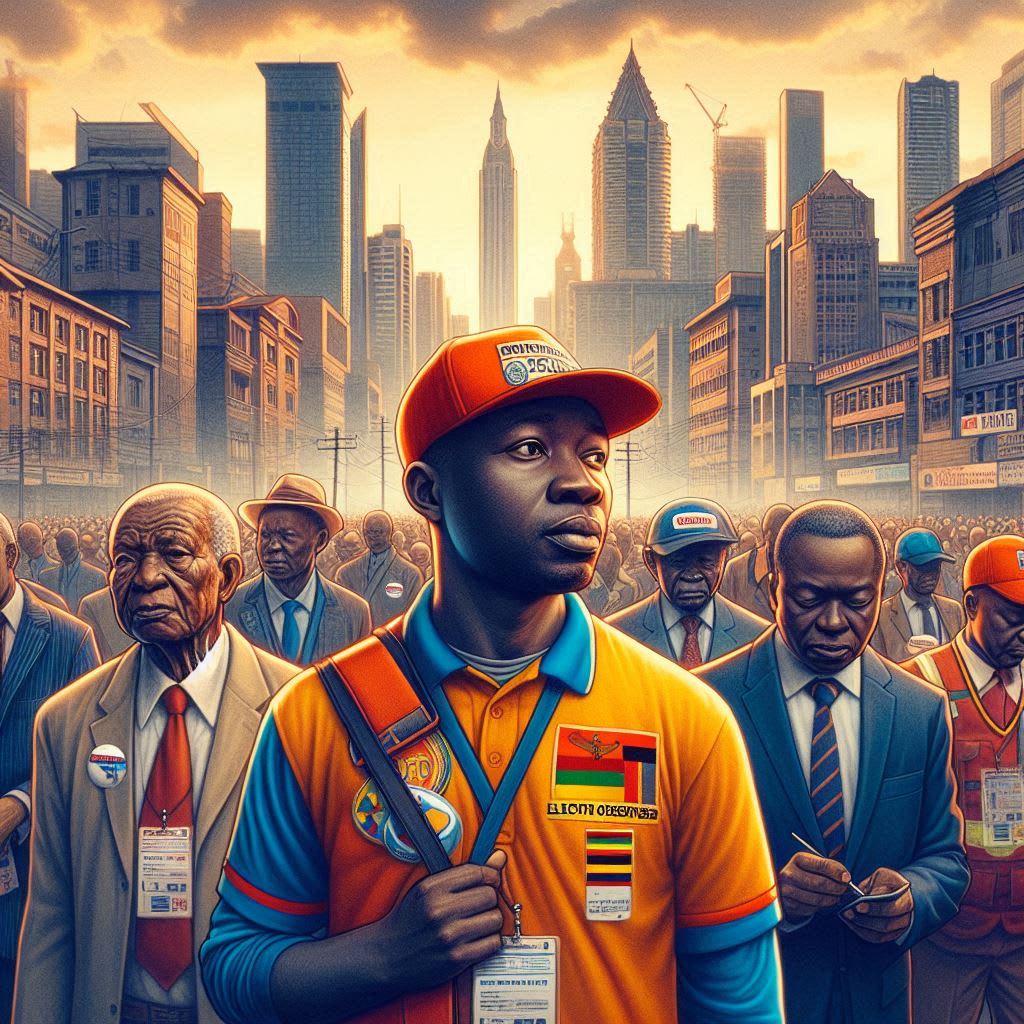
Zambia’s elections have long been regarded as a significant event in the Southern African region. With its relatively stable democratic history, Zambia serves as an example for other African nations when it comes to holding free and fair elections. A key aspect of ensuring transparency, fairness, and credibility in these elections is the presence of election observers, particularly those from international organizations.
International election observers play a critical role in assessing the integrity of the electoral process. In this blog, we will explore the importance of election observers in Zambia’s elections, how they contribute to the democratic process, and the impact their presence has on the outcome of the polls.
What Are Election Observers?
Election observers are independent groups or individuals who monitor the electoral process to assess whether the elections are conducted fairly, transparently, and in accordance with national and international standards. They typically come from a wide range of backgrounds, including governmental, non-governmental, and intergovernmental organizations, as well as academic institutions.
In Zambia, international observers include bodies such as the African Union (AU), the Commonwealth, the European Union (EU), and various civil society groups. These observers are tasked with monitoring various aspects of the election, including voter registration, campaigning, voting, counting, and the announcement of results.
The Role of International Monitors in Zambia’s Elections
Ensuring Transparency and Accountability
One of the primary functions of international election observers is to ensure that the electoral process is transparent. They observe the entire election cycle, from voter registration to the final vote tally. Their presence acts as a safeguard against potential electoral fraud, intimidation, or manipulation.
International observers also report on the fairness of the media coverage, the accessibility of voting stations, and whether voters are able to cast their ballots freely. If any irregularities or violations of election laws occur, observers can raise concerns with electoral authorities or publicize them to encourage corrective action.
Assessing the Election’s Credibility
International observers help determine the credibility of the election results. Their analysis involves checking the accuracy of the vote count, ensuring the process is conducted without interference, and verifying that votes are cast and counted in a manner that respects the will of the people. Their findings and reports carry weight both domestically and internationally, often influencing public trust in the electoral process.
After the election, they publish a comprehensive report outlining their observations. If the election process is deemed credible, this helps reassure citizens and the international community that the results reflect the true will of the electorate. If the election is found to have significant flaws, observers can call for reforms or even recommend reruns in certain constituencies.
Monitoring Electoral Violence and Voter Intimidation
Zambia, like many African nations, has sometimes experienced incidents of electoral violence or voter intimidation. International observers are tasked with monitoring and reporting any such activities. These observers play a crucial role in documenting such events and providing impartial reports to ensure that appropriate actions are taken to prevent further violence.
Furthermore, international monitors often work closely with local authorities and security agencies to ensure that voters are not harassed or coerced into voting a certain way. By providing an external perspective on these issues, observers can help mitigate the impact of violence on the election.
Promoting Fairness and Inclusion
The role of international election observers also extends to ensuring that the election process is inclusive. This includes verifying that marginalized groups, such as women, the elderly, and people with disabilities, are not excluded from voting. Observers assess whether polling stations are accessible and whether there are enough resources available to ensure all voters can participate without hindrance.
International observers also ensure that candidates from various political parties are given a fair chance to campaign and that the process is free from bias. This neutrality is crucial in preserving the fairness of the election, especially in countries where political tension is high.
Building Public Confidence in the Electoral System
In many African countries, public trust in the electoral system can sometimes be shaky, particularly in nations with a history of political instability. The presence of international observers helps build confidence in the process. Their impartiality and experience bring credibility to the election and can foster a sense of legitimacy, both among the electorate and the international community.
In Zambia, the role of election observers has been essential in ensuring that each election is seen as credible. The public feels more confident in the system when they know that independent and respected international organizations are monitoring the process.
Challenges Faced by International Observers
While international election observers are integral to the process, they are not without their challenges. In Zambia, election observers sometimes face logistical issues, such as limited access to remote areas or restrictions on movement. Additionally, despite their best efforts, there may still be attempts to manipulate or undermine the process in ways that are difficult to detect.
Moreover, the political climate in Zambia can sometimes create tension, especially during periods of electoral uncertainty. In these times, observers may face pressure from both sides of the political divide, making their role even more delicate and critical.
Conclusion
International election observers are a crucial component of Zambia’s electoral process. Their presence helps ensure that the elections are free, fair, and transparent. By promoting accountability, fairness, and inclusivity, they contribute to strengthening Zambia’s democracy and maintaining confidence in the electoral system. As Zambia moves forward in its democratic journey, the role of these observers will remain indispensable in ensuring that the country continues to uphold its commitment to free and fair elections.
Through the efforts of international observers, Zambia’s elections have gained global recognition as a model for transparency and fairness, contributing to the overall stability and credibility of the nation’s democratic process.
#ZambiaElections #ElectionObservers #Democracy #FreeAndFairElections #InternationalMonitors #ElectionIntegrity #ZambianPolitics #VoterTransparency
About the Creator
Mutale Ngoma
Passionate about politics and staying informed on global events. I enjoy discussing current affairs, exploring different perspectives, and staying updated on the latest news shaping the world.
Keep reading
More stories from Mutale Ngoma and writers in Journal and other communities.
How Mobile Apps Are Driving Entrepreneurship in Zambia
In Zambia, the mobile phone is no longer just a communication tool; it has evolved into a powerful instrument for entrepreneurship. With over 15 million mobile phone users in the country, mobile apps have become integral to daily life and business operations. From facilitating financial transactions to enabling access to markets, mobile apps are empowering Zambian entrepreneurs, helping them grow and innovate in an increasingly digital world. This blog explores how mobile apps are driving entrepreneurship in Zambia and shaping the future of business.
By Mutale Ngomaabout a year ago in Journal
How a Warehouse Mezzanine Floor Solves Space Problems
Most warehouses don’t start with a space problem. They grow into one. At first, everything works. Stock fits. Teams move easily. Processes feel manageable. Then growth creeps in. Orders increase, new lines are added, and temporary solutions quietly become permanent. Before anyone officially calls it an issue, the warehouse feels tighter, slower, and harder to work in.
By Andrew Mile3 days ago in Journal
The Summer I Was Chosen by a Northern Mockingbird
During the long, suspended days of the pandemic, a wild mockingbird began visiting my driveway and chose me, again and again. What started as a strange encounter became a brief, meaningful connection that I still carry with me.
By Erica Roberts 4 days ago in Petlife


Comments
There are no comments for this story
Be the first to respond and start the conversation.