
How a Warehouse Mezzanine Floor Solves Space Problems
Warehouse Mezzanine Floor

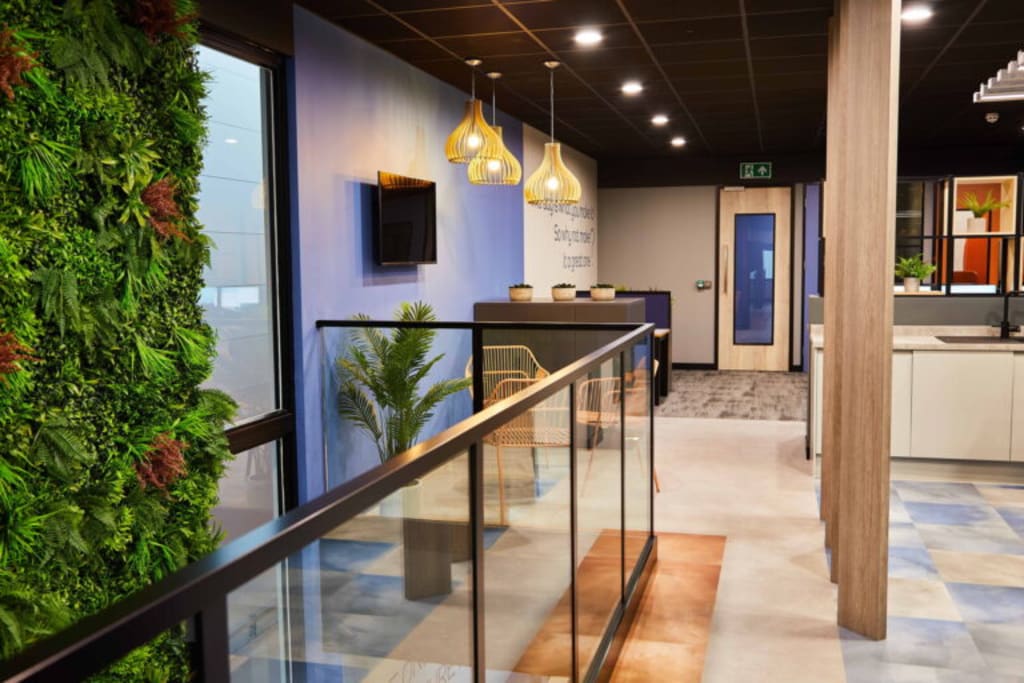
Most warehouses don’t start with a space problem. They grow into one.
At first, everything works. Stock fits. Teams move easily. Processes feel manageable. Then growth creeps in. Orders increase, new lines are added, and temporary solutions quietly become permanent. Before anyone officially calls it an issue, the warehouse feels tighter, slower, and harder to work in.
This is usually when a Warehouse mezzanine floor stops sounding like an upgrade and starts sounding like a solution.
When growth exposes the cracks
Space issues rarely show up as empty shelves. They show up as friction.
People take longer routes to avoid congestion. Pallets wait longer than they should. Tasks that used to be simple now require coordination. None of this looks dramatic, but together it chips away at efficiency.
What a Warehouse mezzanine floor does is relieve that pressure. It gives the operation room to breathe again by separating functions instead of forcing everything to compete for the same ground space.
The most underused space is above you
Walk into almost any warehouse and look up. You’ll see height that isn’t doing much at all.
That vertical space is often the easiest opportunity to unlock. A mezzanine allows businesses to lift certain activities off the main floor—storage, packing, inspection, light assembly, even office areas—without disrupting what already works below.
I’ve seen warehouses transform simply by moving one function upstairs. Suddenly, aisles open up. Movement improves. Teams stop working around each other and start working properly again.
That’s how a Warehouse mezzanine floor solves space problems without creating new ones.
One solution, many uses
A common mistake is thinking mezzanines are only for storage. In reality, they’re far more versatile.
Some businesses use them to separate fast- and slow-moving stock. Others create dedicated packing zones or quiet work areas above the floor. The exact use matters less than the outcome: clearer organisation and smoother workflows.
And because mezzanines can be adapted over time, they don’t lock a business into a single layout. As needs change, the space can change with them.
Safety isn’t negotiable
If a mezzanine doesn’t feel safe, people won’t trust it. And if people don’t trust it, it won’t be used properly.
Good mezzanine design feels natural. Solid flooring. Proper guardrails. Clear stair access. Lighting that actually supports daily work. When these elements are right, staff move confidently, and the space becomes part of normal operations rather than something to work around.
A Warehouse mezzanine floor should feel like it belongs in the building, not like it was added as an afterthought.
Solving space problems without stopping work
One of the biggest advantages of mezzanines is how they’re installed.
Unlike relocating or extending a building, mezzanine installation can often happen while the warehouse continues operating. There’s some adjustment, of course, but downtime is usually minimal. For growing businesses, that alone can make the decision much easier.
Why experience shapes the result
No two warehouses are the same. Ceiling heights vary. Columns get in the way. Load requirements change depending on season and stock.
This is where experience matters. Companies like Opus-4 understand that solving space problems isn’t about filling a building with steel. It’s about designing a mezzanine that works with real-world constraints and real workflows.
Space isn’t just about square metres
A Warehouse mezzanine floor isn’t about squeezing more into a building or filling every empty corner. It’s about restoring balance to a workspace that’s started to feel under pressure. When people have room to move, think, and work without constant compromise, efficiency improves naturally.
Often, the smartest way to solve space problems isn’t moving to a bigger warehouse. It’s recognising that the one you already have still has more to offer—if you’re willing to look up.
About the Creator
Andrew Mile
Andrew Mile is passionate about technology, wedding planning, and services, crafting insightful content that blends innovation with elegance, making complex topics accessible and weddings unforgettable.
Keep reading
More stories from Andrew Mile and writers in Journal and other communities.
The Quiet Power of Analytical Balances in Everyday Precision
There’s a moment in many labs, classrooms, and even small workshops when everything goes quiet. Someone places a sample on a weighing pan, holds their breath, and waits for the numbers to settle. That moment might seem small, but it’s where accuracy begins. This is exactly where Analytical Balances quietly do their most important work.
By Andrew Mile2 days ago in Journal
The Quiet Link Between Evening Light and Restless Sleep
For a long time, I believed my restless sleep was caused by what happened in my head. Too much thinking. Too much stress. Too many unfinished thoughts that followed me into the night. I tried calming routines, earlier bedtimes, and stricter boundaries around work. Some nights improved. Many did not.
By illumipure7 days ago in Journal




Comments
There are no comments for this story
Be the first to respond and start the conversation.