

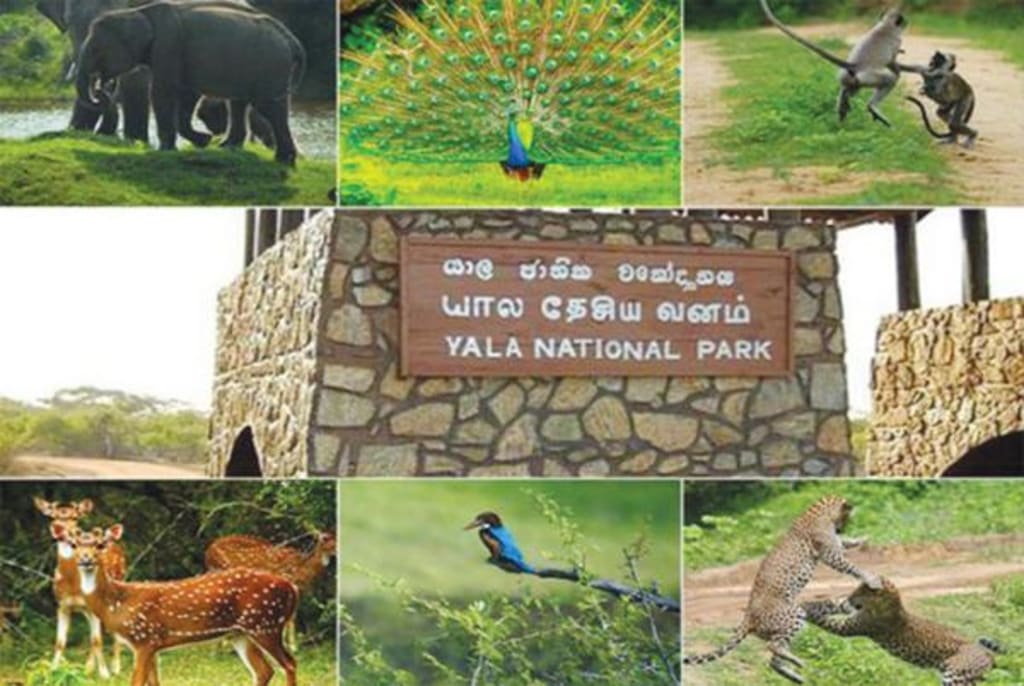
Yala National Park
Yala National Park is one of the most famous and well-known wildlife sanctuaries in Sri Lanka. It is located in the southern part of the country and covers an area of approximately 1,259 square kilometers. The park is divided into five blocks, of which only two blocks are open to the public. The park is home to a wide range of animals, including elephants, leopards, sloth bears, crocodiles, and many species of birds.
Yala National Park was first established as a wildlife sanctuary in 1900, and it was later declared a national park in 1938. It was originally used as a hunting ground by the British colonizers, but after Sri Lanka gained independence in 1948, the park was turned into a wildlife sanctuary and later a national park.
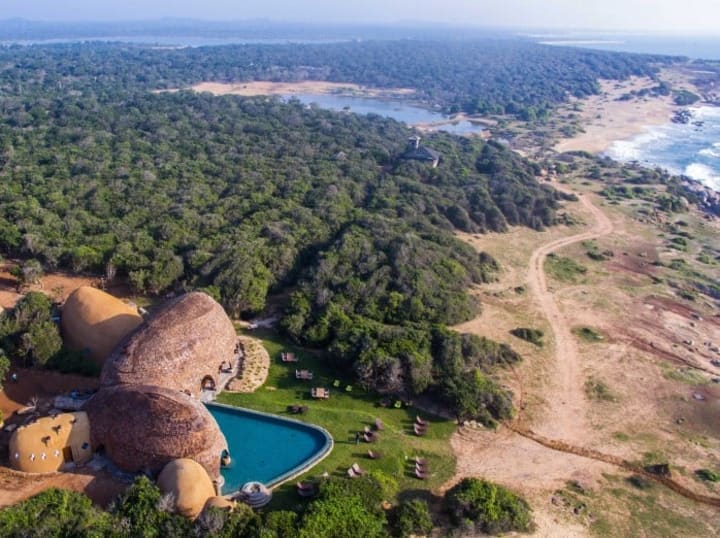
One of the most distinctive features of Yala National Park is its varied terrain, which includes dense forests, grasslands, lagoons, and rocky outcrops. This diverse landscape provides a habitat for a wide range of animal and bird species. The park is also home to several important archaeological sites, including the Sithulpawwa rock temple and the Magul Maha Viharaya temple.
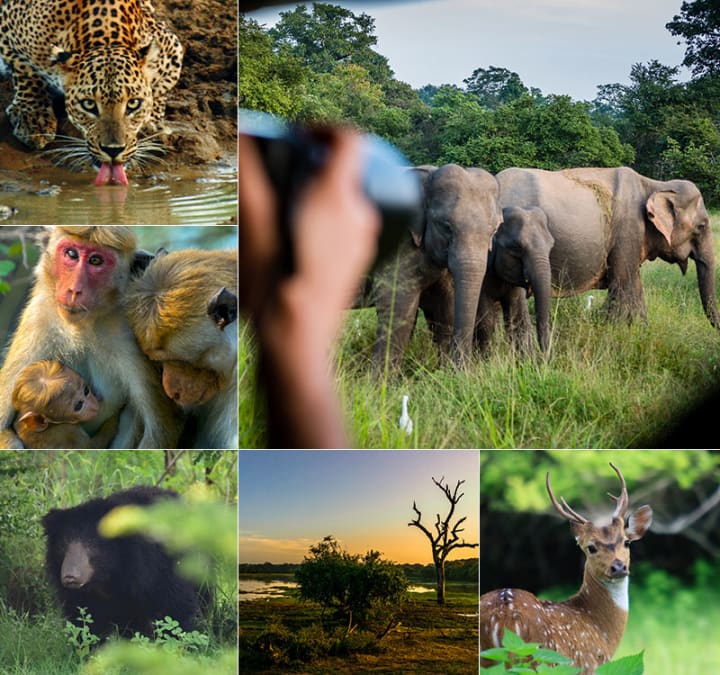
The park is particularly famous for its population of leopards. It is estimated that there are around 30-35 leopards in the park, making it one of the best places in the world to spot these elusive big cats. Visitors can take a jeep safari through the park to try and spot leopards, as well as other animals such as elephants, sloth bears, and water buffalo.
Another popular attraction in Yala National Park is the birdlife. The park is home to over 200 bird species, including several species of eagles, owls, and water birds. The park is also an important nesting site for several species of sea turtles, including the critically endangered leatherback turtle.
To preserve the delicate ecosystem of the park, visitors are required to follow strict rules and regulations. Visitors are not allowed to leave their vehicles or make loud noises, as this can disturb the animals. The park is closed during the breeding season of the animals, which is typically from September to October.
Yala National Park is also an important site for scientific research and conservation efforts. The park is home to several research centers and conservation organizations, which work to protect the wildlife and habitat of the park. These efforts include monitoring the population of leopards, studying the migratory patterns of birds, and preserving the archaeological sites within the park.
In conclusion, Yala National Park is a must-visit destination for wildlife enthusiasts and nature lovers. Its diverse landscape and rich biodiversity make it one of the most unique and important wildlife sanctuaries in the world. While the park faces several challenges, including poaching and habitat loss, the efforts of conservation organizations and government agencies have helped to protect and preserve this important ecosystem for future generations.
In recent years, the popularity of Yala National Park has led to concerns about the impact of tourism on the park's fragile ecosystem. Visitors are encouraged to choose responsible tour operators and to minimize their impact on the park. This includes not leaving any litter, staying on designated trails, and respecting the wildlife and their habitat.
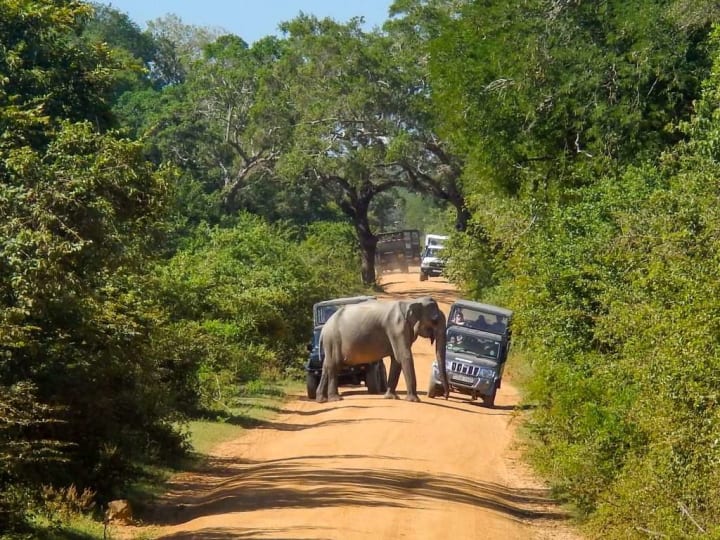
In addition to the jeep safaris, there are several other activities that visitors can participate in, including guided nature walks and birdwatching tours. These activities provide an opportunity to learn more about the park's ecosystem and the animals and birds that call it home.
Overall, Yala National Park is a unique and valuable asset to Sri Lanka's natural heritage. It provides a vital habitat for a wide range of wildlife and offers visitors an unforgettable experience of nature and wildlife. With responsible tourism practices and continued conservation efforts, Yala National Park can continue to thrive as a biodiversity hotspot and a valuable source of scientific research and knowledge.
About the Creator
Alone _ Traveller
One life. One world. Explore it as much as you can.
Keep reading
More stories from Alone _ Traveller and writers in Journal and other communities.
Sri Dalada Maligawa
Sri Dalada Maligawa Sri Dalada Maligawa, also known as the Temple of the Tooth, is a Buddhist temple located in the city of Kandy, Sri Lanka. It is one of the most sacred places of worship for Buddhists around the world, as it houses the sacred tooth relic of the Buddha.
By Alone _ Traveller 3 years ago in Journal
Who is your "Person"?
It's important to recognize that you cannot go through life as easily on your own. My name is Elizabeth and I'm a survivor of child abuse and horrific trauma. Healing from trauma is not a quick fix and recognizing that it will take time, is part of the struggle.
By Elizabeth Woods5 days ago in Psyche


Comments
There are no comments for this story
Be the first to respond and start the conversation.