
Why You Should Consider Getting Credit Cards in Kuwait
Credit cards have become essential for daily transactions in Kuwait. However, with numerous options available, understanding the benefits and key considerations is crucial for optimizing financial benefits.
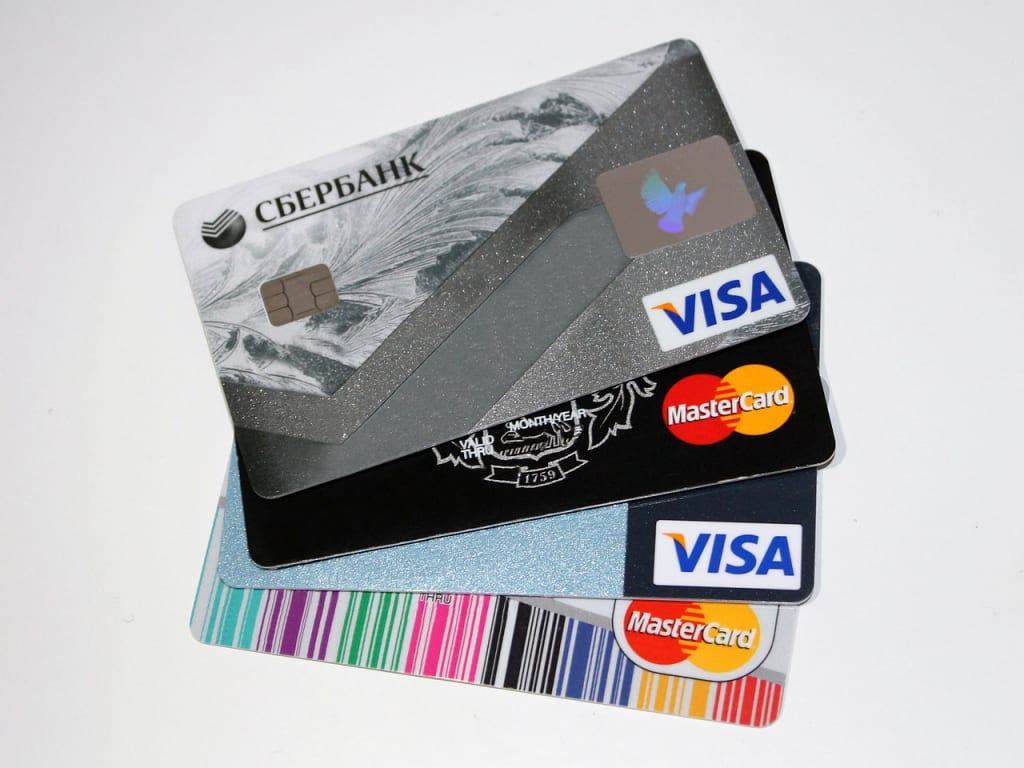
In the dynamic financial landscape of Kuwait, credit cards have become an essential tool for consumers, providing a range of benefits and convenience. Whether you're a seasoned user or considering your first credit card, understanding the advantages, key considerations before applying, and the application process in Kuwait can help you make an informed decision.
Benefits of Using Credit Cards
Convenience and Accessibility: Credit cards offer unparalleled convenience. They eliminate the need to carry large amounts of cash and are widely accepted for both in-store and online purchases.
Rewards and Cashback: Many credit cards in Kuwait come with attractive rewards programs. Cardholders can earn points, miles, or cashback on their purchases, which can be redeemed for travel, shopping, or even statement credits.
Interest-Free Periods: Most credit cards offer an interest-free grace period, typically ranging from 20 to 55 days. If you pay your balance in full within this period, you can avoid paying any interest on your purchases.
Building Credit History: Utilizing a credit card responsibly is an essential step in building a positive credit history. This, in turn, can significantly enhance your financial prospects, making it easier to secure loans, mortgages, or other credit facilities. Effective credit management demonstrates your capability to handle debt, make timely payments, and maintain a healthy credit utilization ratio.
Security Features: Credit cards offer enhanced security features, such as fraud protection, zero liability on unauthorized transactions, and encryption technology to safeguard your information.
Emergency Funds: In times of financial emergencies, credit cards can provide a quick source of funds. Many cards also offer cash advance facilities, although these typically come with higher interest rates.
Things to Check Before Applying for a Credit Card in Kuwait
Interest Rates: Compare the annual percentage rates (APRs) across different credit cards. A lower APR can save you money if you carry a balance. Be sure to understand both the introductory and ongoing rates.
Fees and Charges: Look out for annual fees, late payment fees, foreign transaction fees, and other charges. Some cards may offer no annual fee for the first year but charge subsequently.
Credit Limit: Assess the credit limit offered and ensure it meets your spending needs. A higher limit can provide more flexibility but also requires disciplined spending to avoid debt accumulation.
Rewards Program: Evaluate the rewards program in detail. Consider the types of rewards offered, the earning rate, and redemption options. Choose a card that aligns with your spending habits and lifestyle.
Eligibility Criteria: Review the eligibility requirements, which may include age, income level, and employment status. Ensuring you meet these criteria can increase your chances of approval.
Customer Service: Good customer service is essential for resolving any issues that may arise. Research the card issuer's reputation for customer support and read reviews from existing customers.
Additional Benefits: Some credit cards offer additional perks such as travel insurance, purchase protection, extended warranties, and concierge services. Assess these benefits to maximize the value of your card.
How to Get a Credit Card in Kuwait
Research and Compare: Start by researching different credit cards offered by banks and financial institutions in Kuwait. Compare their features, benefits, fees, and eligibility criteria to find the one that best suits your needs.
Check Your Credit Score: Your credit score plays a significant role in the approval process. Obtain a copy of your credit report from the Credit Information Network of Kuwait (Ci-Net) and review your score. A higher score improves your chances of approval and may qualify you for better terms.
Gather Required Documentation: Typically, you will need to provide proof of identity (such as a civil ID or passport), proof of income (salary certificate or bank statements), and proof of residence. Ensure you have all necessary documents ready before applying.
Apply Online or In-Person: Most banks in Kuwait offer the option to apply for a credit card online through their websites. Alternatively, you can visit a branch in person to complete your application. Fill out the application form accurately and attach the required documents.
Wait for Approval: After submitting your application, the bank will review your information and assess your creditworthiness. This process may take a few days to a couple of weeks. During this time, the bank may contact you for additional information or clarification.
Receive and Activate Your Card: If your application is approved, you will receive your credit card by mail or you may need to collect it from the bank. Follow the instructions provided to activate your card, which may involve calling a customer service number or using an online portal.
Start Using Your Card: Once activated, you can start using your credit card for purchases, bill payments, and other transactions. Ensure you keep track of your spending, pay your bills on time, and stay within your credit limit to avoid penalties and interest charges.
Credit cards in Kuwait offer numerous benefits, from convenience and rewards to building credit history and providing financial security. However, it is crucial to carefully consider several factors such as interest rates, fees, and eligibility criteria before applying. By conducting thorough research and following the application process, you can find a credit card that meets your needs and helps you manage your finances effectively. Remember, responsible use of your credit card is key to maximizing its advantages and avoiding potential pitfalls.
About the Creator
Jaffer Ahmed
Finance and banking enthusiast from Kuwait. I share insights and expertise on personal finance, investing, and banking trends.
Keep reading
More stories from Jaffer Ahmed and writers in Journal and other communities.
How to Choose a Savings Account in Kuwait
Whether you're planning your dream vacation, saving up for your first car, or planning for any unexpected curveballs life throws your way, you need a solid financial foundation. This is where a savings account steps in. A savings account is like your quiet financial ally, working in the background to help you achieve your goals and maintain financial stability. It's not just a place to keep your money safe—it’s a powerful tool to grow your wealth over time and ensure you’re financially prepared for the future.
By Jaffer Ahmedabout a year ago in Journal
~ Fired ~
— Ai Intrusion ~ Are you Next ~ Is Ai Evolution after your job? — Few workplaces haven't been affected. Ai is in supermarkets, at doctors' offices, and even monitoring farms. I just can't think of anything this machine is not getting into, can you? For instance: Education ~ Law and Tech jobs will one day have a major influence or be taken over by these inanimate machines, with accuracy and vigor. From mechanics' diagnoses to a wide variety of everyday jobs, including fast food workers, with this input having the ability to cut their unnecessary work hours. I'm certain all of us have been touched by this with our short stories and colorful headings, have you? Even comments are very questionable 'Non-Robot' insertions.
By Jay Kantor3 days ago in Journal
Artificial intelligence data centers are resorting to aircraft and diesel turbines due to power shortages
The rapid expansion of artificial intelligence is pushing data centers to a breaking point: a lack of sufficient electricity to sustain their growth. Far from being a problem of chips, memory, or investment, the main bottleneck for large-scale AI projects today is access to massive amounts of electricity, immediately available.
By Omar Rastelli7 days ago in Journal


Comments
There are no comments for this story
Be the first to respond and start the conversation.