
Why You Must Start with "Why" to Become and Effective Leader
Understanding and clearly communicating the "Why" provides leaders and their organizations with a strong sense of direction.

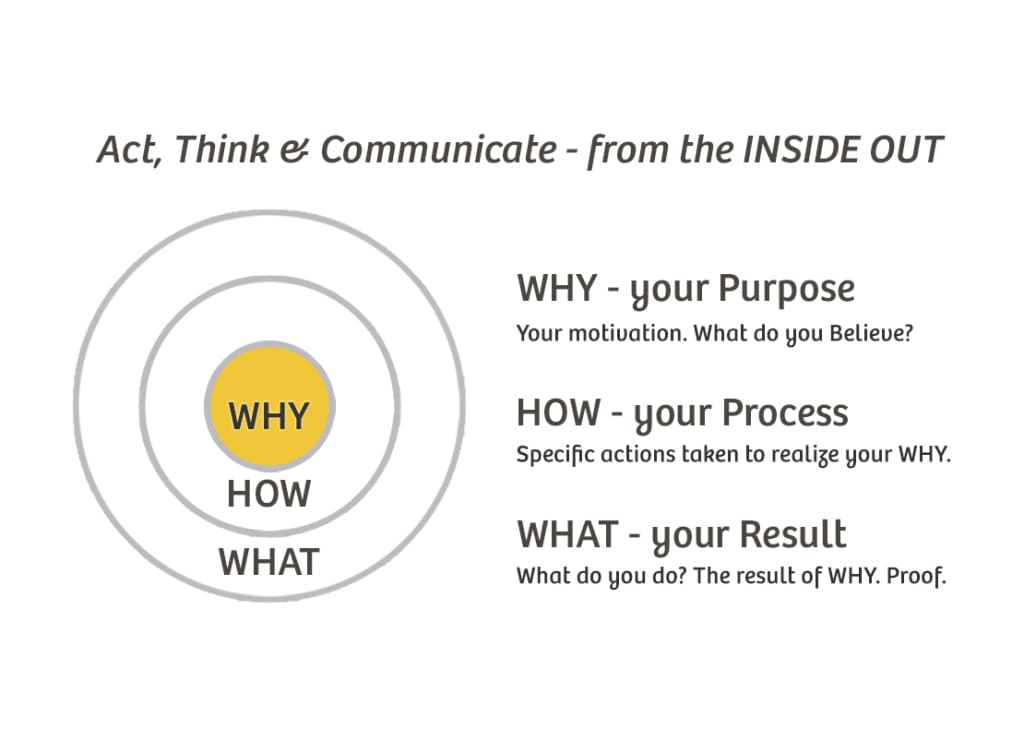
Starting with "Why" is a fundamental principle for effective leadership, as articulated by Simon Sinek in his influential book Start With Why. This approach emphasizes the importance of understanding and communicating the core purpose behind actions, decisions, and organizational goals. By centering leadership on the "Why," leaders can inspire their teams and create a shared sense of purpose that drives engagement and commitment. Here’s an in-depth exploration of why starting with "Why" is crucial for leaders:
1. Inspiration Over Manipulation
Leaders who articulate their "Why" can inspire rather than manipulate their followers. Sinek argues that true leadership transcends mere authority; it involves providing a compelling cause for action rather than simply directing people to perform tasks. When leaders communicate their purpose effectively, they foster a sense of belonging and shared mission among their teams, which cultivates loyalty and commitment. This emotional connection is more powerful than any incentive or external reward because it taps into the fundamental human desire to belong and contribute to something greater than oneself.
For example, consider organizations that prioritize profit over purpose. While they may achieve short-term results through incentives, they often struggle with employee engagement and retention. In contrast, leaders who start with "Why" create an environment where team members feel emotionally invested in their work, leading to greater intrinsic motivation. This shift from manipulation to inspiration not only enhances productivity but also builds a culture of trust and collaboration.
2. Clarity and Direction
Understanding and clearly communicating the "Why" provides leaders and their organizations with a strong sense of direction. It helps align all actions and decisions with the core values and beliefs of the organization, ensuring that everyone is working toward the same overarching goal. This clarity not only motivates employees but also enhances decision-making processes.
When faced with choices or challenges, leaders can refer back to their "Why" as a guiding principle. For instance, during times of uncertainty or change, having a clear purpose allows leaders to make decisions that are consistent with their organization’s mission. This alignment fosters a cohesive strategy that resonates with employees at all levels, reinforcing their commitment to the organization's goals.
3. Building Trust
Starting with "Why" establishes a foundation of trust within teams. Trust is built on transparency and authenticity; when team members feel that they are part of a meaningful journey rather than just following orders, they are more likely to engage fully in their roles. Leaders who effectively communicate their purpose create an environment where employees feel safe to express their ideas and concerns.
This open communication fosters greater collaboration and innovation as team members are encouraged to share diverse perspectives without fear of judgment. Trust also enhances resilience; when challenges arise, teams that operate on a foundation of trust are more likely to support one another and work together to overcome obstacles.
4. Long-Term Success
Organizations that prioritize their "Why" tend to be more successful in the long run. By fostering a strong sense of purpose, these organizations attract loyal customers who resonate with their mission, leading to sustained growth and profitability. Companies like Apple and Harley-Davidson exemplify this principle by leading with their core beliefs rather than solely focusing on their products or services.
For example, Apple’s commitment to innovation and challenging the status quo has cultivated a dedicated customer base that identifies with its vision. This emotional connection not only differentiates Apple in competitive markets but also builds a community of advocates who are invested in its success. Such loyalty translates into long-term success as customers become brand ambassadors, promoting the company’s values and mission within their networks.
5. Empowering Others
Finally, starting with "Why" empowers leaders to inspire others to take action. When team members understand the underlying purpose behind their work, they are more likely to take initiative and contribute creatively toward achieving organizational goals. This empowerment fosters a culture of innovation where employees feel valued for their contributions.
For instance, when employees see how their roles align with the organization’s mission, they are more inclined to propose new ideas or solutions that further that mission. This sense of ownership not only enhances job satisfaction but also drives better results for the organization as a whole.
Conclusion
In conclusion, starting with "Why" is essential for effective leadership as it inspires action, provides clarity and direction, builds trust, ensures long-term success, and empowers individuals within the organization. By focusing on the deeper purpose behind actions, leaders can create a motivated workforce aligned with a shared vision for the future.
This approach not only transforms organizational culture but also enhances overall performance by fostering an environment where individuals feel connected to something larger than themselves. As Simon Sinek famously stated, “People don’t buy what you do; they buy why you do it.” By embedding this principle into leadership practices, organizations can cultivate lasting loyalty among employees and customers alike—ultimately driving success in an increasingly complex world.
Incorporating the Golden Circle framework into everyday leadership practices enables leaders to articulate not just what they do but why it matters—creating a ripple effect that inspires action at all levels of the organization. By prioritizing purpose over profit, leaders can navigate challenges with resilience while fostering an engaged workforce committed to achieving shared goals for years to come.
About the Creator
Edina Jackson-Yussif
I write about lifestyle, entrepreneurship and other things.
Writer for hire [email protected]
Entrepreneur
Software Developer + Machine Learning Specialist
Founder:
➡️Creator Vibes Club
➡️Article Flow Club
Keep reading
More stories from Edina Jackson-Yussif and writers in Journal and other communities.
What is the Golden Circle Effect and How to Use it for Effective Leadership
The Golden Circle is a powerful concept introduced by Simon Sinek in his influential TED Talk titled "How Great Leaders Inspire Action," which has garnered millions of views since its release. This model serves as a framework for understanding how successful leaders and organizations communicate their purpose and inspire others. At its core, the Golden Circle consists of three concentric circles that represent three critical questions: Why, How, and What. This structure not only helps clarify an organization’s mission but also guides how they convey their message to the world.
By Edina Jackson-Yussif about a year ago in Journal


Comments
There are no comments for this story
Be the first to respond and start the conversation.