
Why Trump’s New Pick for Fed Chair Hit Gold and Silver Markets — For Good Reasons
Kevin Warsh’s nomination as Fed chair sparks sharp declines in gold and silver, as markets recalibrate expectations for inflation and monetary policy.

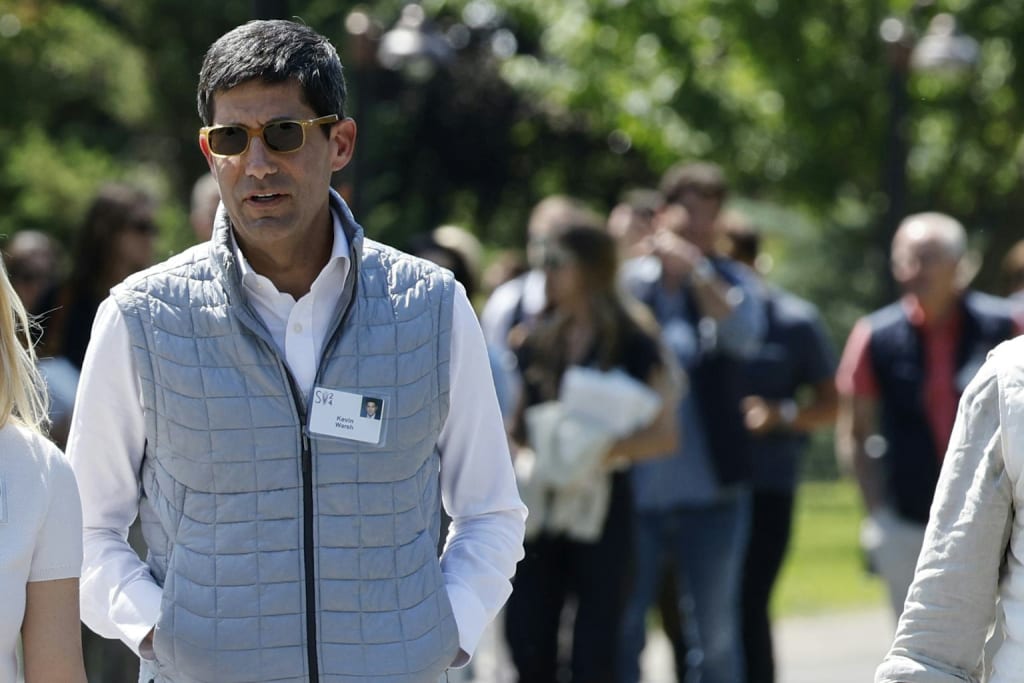
How Markets Reacted to the Surprise Nomination
When President Donald Trump announced his intention to nominate Kevin Warsh as the next Federal Reserve chair, the response from global markets was swift and dramatic. Within hours, gold and silver prices plunged, ending a months-long rally that had driven precious metals to multi-year highs.
Gold fell roughly 9–12%, while silver dropped 28–33%, marking some of the steepest single-day declines in recent memory. At first glance, this may look like panic selling, but a closer look reveals that the move reflects market expectations about monetary policy and inflation rather than irrational fear.
Who Is Kevin Warsh — And Why It Matters
Kevin Warsh, a former Federal Reserve governor, is widely regarded as a monetary policy “hawk”. He served on the Fed during the global financial crisis and is known for prioritizing inflation control, fiscal discipline, and central bank independence.
This is important because the precious metals rally leading up to the announcement was driven in part by expectations of loose monetary policy — low interest rates, liquidity injections, and potential inflation. Warsh’s nomination signaled a shift toward a tighter, more disciplined Fed policy, prompting traders to reassess gold and silver valuations.
What Happened in the Metals Markets
1. Gold and Silver Had Reached Record Highs
Before Warsh’s nomination, gold was trading above $5,500 an ounce, and silver had briefly crossed $120. Investor appetite for these metals was fueled by geopolitical tensions, a weakening U.S. dollar, and inflation fears.
2. The Dollar Strengthened
Following the announcement, the U.S. dollar gained strength, as markets anticipated that Warsh would maintain a firm stance on interest rates. A stronger dollar typically reduces demand for dollar-denominated commodities like gold and silver, putting additional downward pressure on prices.
3. Profit-Taking Accelerated
After months of gains, some investors took the opportunity to lock in profits, amplifying the sell-off. Corrections after extended rallies are normal, especially in markets like precious metals that are sensitive to sentiment and leverage.
Why the Sell-Off Makes Sense
While the drop was sharp, it’s grounded in rational market dynamics:
Central Bank Credibility: Warsh’s reputation for independence reassures investors that the Fed will prioritize policy discipline over political pressure.
Higher Interest Rates Expected: Non-yielding assets like gold and silver become less attractive when interest-bearing alternatives gain appeal.
Stronger Dollar: With the dollar appreciating, precious metals are more expensive for foreign buyers, reducing demand.
In essence, the market is recalibrating to a more stable but less inflationary outlook, which naturally depresses safe-haven assets.
Long-Term Implications for Investors
The sharp correction doesn’t mean gold and silver have lost their long-term value. Analysts point out that these metals remain important hedges against inflation, geopolitical risk, and currency fluctuations.
The sell-off may even present buying opportunities for investors who had been waiting for a market pullback to enter positions at lower prices.
Lessons from the Market Reaction
This episode highlights how central bank appointments can ripple through global markets, affecting not just interest rates but also commodity prices, investor sentiment, and currency strength. Key takeaways include:
Market movements often reflect expectations, not just current conditions.
Stronger leadership signals from central banks can dampen fear-driven rallies in safe-haven assets.
Corrections after extended rallies are normal and can be healthy for market stability.
Conclusion
The drop in gold and silver following Trump’s Fed chair pick demonstrates how quickly markets respond to policy signals. Kevin Warsh’s hawkish reputation led investors to anticipate higher interest rates, a stronger dollar, and disciplined monetary policy, all of which temporarily reduced demand for precious metals.
While the sell-off may have startled traders, it reflects rational adjustments rather than panic, highlighting the close interplay between central bank policy and investor behavior. For long-term investors, gold and silver remain key hedges, and the correction may even create strategic buying opportunities.
FAQs
1. Why did gold and silver prices fall after Kevin Warsh’s nomination?
Investors anticipated higher interest rates, a stronger dollar, and disciplined monetary policy, reducing the appeal of non-yielding metals.
2. Who is Kevin Warsh?
Warsh is a former Federal Reserve governor known for his hawkish stance on inflation and central bank independence.
3. Does this mean gold and silver are bad long-term investments?
No. Precious metals remain hedges against inflation, geopolitical risk, and currency fluctuations, and the sell-off may provide buying opportunities.
4. How does a stronger dollar affect precious metals?
A stronger dollar makes gold and silver more expensive for foreign buyers, reducing demand and lowering prices.
5. Could metals prices rebound?
Yes. If inflation rises, geopolitical risks increase, or monetary policy shifts unexpectedly, gold and silver could regain investor interest.
About the Creator
Asad Ali
I'm Asad Ali, a passionate blogger with 3 years of experience creating engaging and informative content across various niches. I specialize in crafting SEO-friendly articles that drive traffic and deliver value to readers.




Comments
There are no comments for this story
Be the first to respond and start the conversation.