
Why Pre-shipment Inspection Are Essential
Why Pre-shipment Inspection are Essential
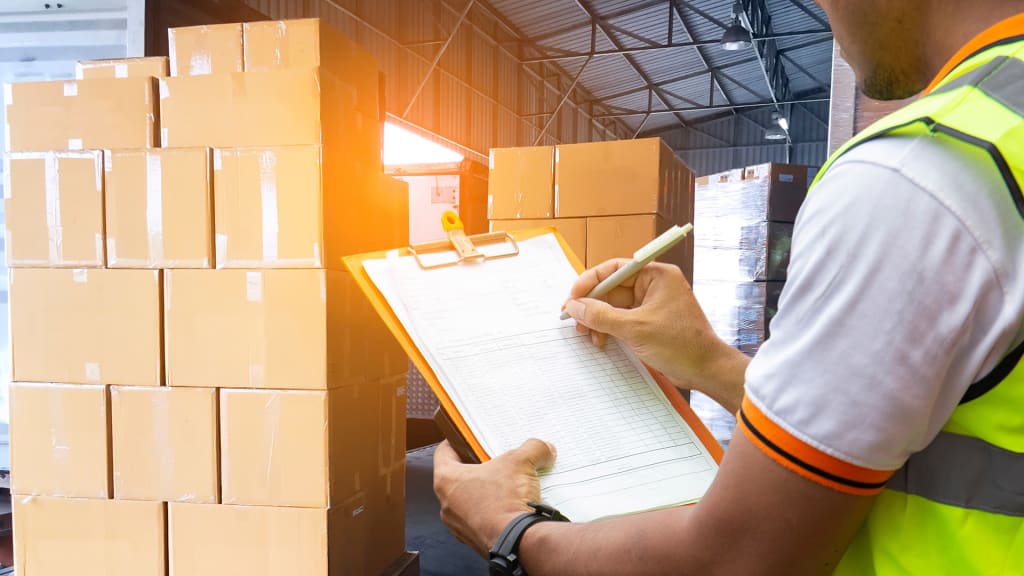
Today, pre-shipment inspections are essential. You can never be too sure if the product you're getting is safe since so many different types of products cross oceans and reach your homes. Moreover, if you run a business, you must ensure that your products meet the standards you've set for them. The failure of a single shipment can put an entire company out of business overnight nowadays. We have listed 6 dos’ while pre-shipment inspections. Before that let's look at why pre-shipment inspections are important.
Pre-Shipment Inspections Are Important for What Reasons?
Have you ever bought a car radio with Bluetooth and the device failed to connect, or a folding chair where the fabric was snapped during shipping? Even people have reported finding dead frogs in cans of soda after buying them.
That should be the obvious reason behind PSIs. They will make sure that your products are ready for shipping and that nothing is missing.
The benefits of a PSI are many. Among them are:
Ensure product quality so you (or your buyers) don't deal with faulty units
Making sure the product was manufactured according to your specifications
Avoid defective product returns that might negatively impact your company's image
Ensure your products are safe and contain no health hazards.
Avoid sending illegal substances through your country's borders.
Check all necessary paperwork for errors.
What You Should Do
Make a PSI Checklist
To provide your inspector with a PSI checklist, please create one. The checklist will assist your inspector in spotting any defects or mistakes. More importantly, each product can be made to your specifications.
Visit the facility!
A factory visit gives you an opportunity to identify any potential problems as early as possible. Don't do it too early, though, as that could halt production. Organize pre-shipment inspections when production reaches about 80%. You will have the time to fix any issues without losing time on the production of new units. Check for certifications, for instance, if you have a company that make machinery, the inspection company will check for welder certifications.
Check the quantity of the product.
For a quantity check, you will need the customer's specifications. Make sure you have more units than what they need. As well, make sure you keep an eye on the deadlines; if you're running low on time, verify the customer's specifications.
Check Visually
The term Acceptance Quality Limit is used in shipping. Check your products with your naked eye to see if there are any external damage or defects. Anything that meets AQL guidelines is ready for shipment.
Select and check your samples.
Pre-shipment inspections do not require you to examine each product individually. Choose a sample product or a few samples and test them. Depending on the level of inspection, you can decide whether to ship your products or not.
Compliance check
It is only logical that you would want to test your products before they are shipped, since you set the guidelines for how your products should be made. Make sure they meet the needs of your customers as well. Labels, packaging, manuals, tags, and quantities are usually part of this.
Conduct safety tests
Depending on the kind of product you manufacture, it must pass a series of safety tests. Your product will pass these tests to ensure it won't harm customers or the environment. For example, if you make machinery, they will need extensive testing. Appliances need to be tested for performance, the welder certifications will be checked by the inspection company and the quality of the products will also be ensured.
About the Creator
Keep reading
More stories from writers in Journal and other communities.
~ Fired ~
— Ai Intrusion ~ Are you Next ~ Is Ai Evolution after your job? — Few workplaces haven't been affected. Ai is in supermarkets, at doctors' offices, and even monitoring farms. I just can't think of anything this machine is not getting into, can you? For instance: Education ~ Law and Tech jobs will one day have a major influence or be taken over by these inanimate machines, with accuracy and vigor. From mechanics' diagnoses to a wide variety of everyday jobs, including fast food workers, with this input having the ability to cut their unnecessary work hours. I'm certain all of us have been touched by this with our short stories and colorful headings, have you? Even comments are very questionable 'Non-Robot' insertions.
By Jay Kantor10 days ago in Journal
Do I Need a Break?
Do I need a break? From what, exactly? I’ve been asked that question recently, and I didn’t know how to answer it right away. Not because the answer wasn’t there but because it felt layered. Complicated. Like something I hadn’t fully sat with yet.
By Nkwenkwezi Mgebisa3 days ago in Journal



Comments
There are no comments for this story
Be the first to respond and start the conversation.