
Why Pakistan Could Be the Richest Nation – But Isn't
Pakistan holds massive gold, coal, and agricultural wealth, yet corruption keeps the nation from becoming one of the richest in the world.

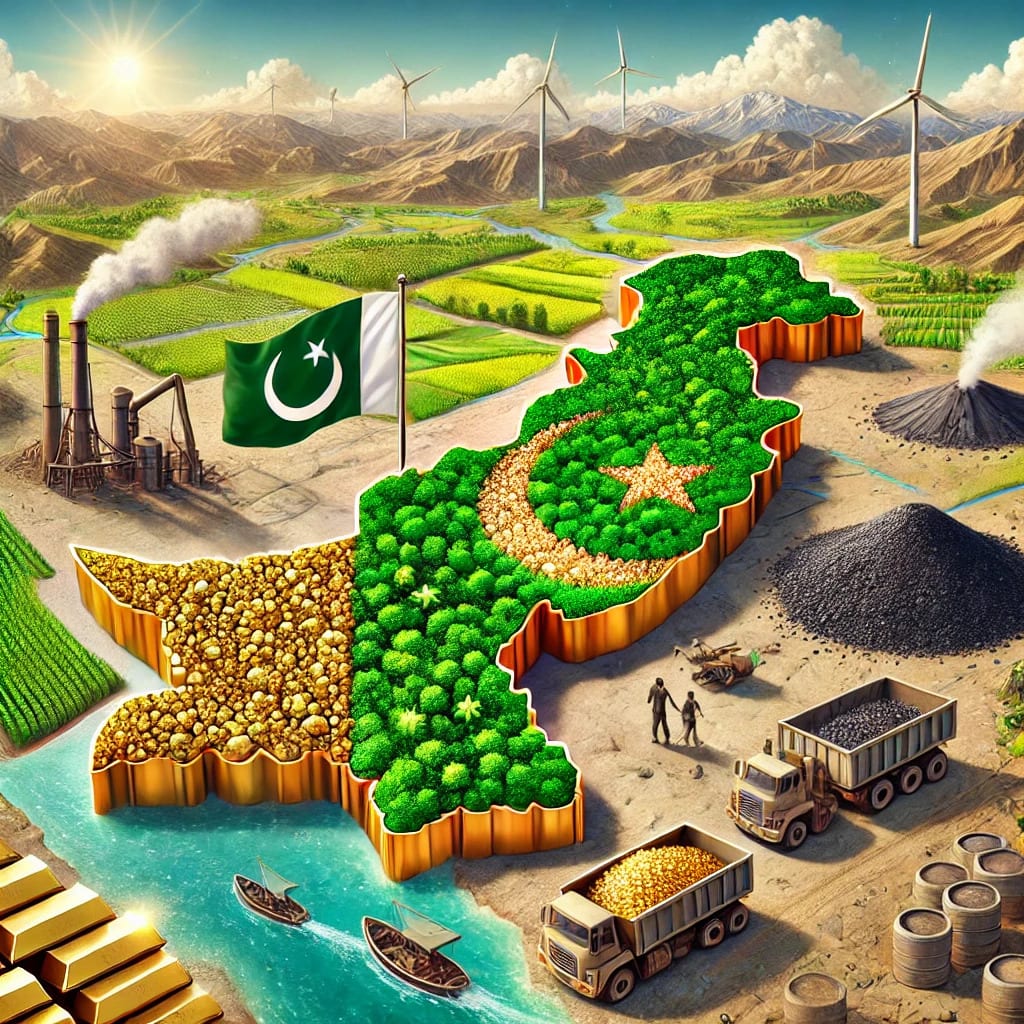
Pakistan is a country blessed with immense natural resources, fertile lands, and strategic importance. From gold reserves to agricultural wealth, the country holds everything needed to become one of the richest nations in the world.
However, despite these abundant blessings, Pakistan continues to struggle with poverty, rising debt, and economic instability. The primary reason behind this downfall is "Corruption", which has deeply rooted itself in the country's institutions.
Pakistan's Untapped Natural Resources
Pakistan is home to some of the world's largest natural resource deposits. These hidden treasures have the potential to transform the country's economy if managed properly.
Recently, a gold reserve worth 80,000 crore PKR was discovered in Punjab, adding to the country's already massive gold and copper reserves in Reko Diq. The Reko Diq mine alone holds one of the largest gold and copper deposits in the world, with an estimated value of $260 billion.
In addition to gold and copper, Pakistan also possesses:
- The Thar Coal Reserve – Fifth largest coal reserve globally
- Salt reserves in Khewra – Second largest in the world
- Vast reserves of natural gas in Sui
- Precious gemstones such as emeralds, rubies and topaz in the northern regions
These resources could generate billions of dollars in revenue, making Pakistan one of the richest countries in the world. However, corruption, lack of investment, and political instability prevent their proper utilization.
Agricultural Wealth Waiting to Be Tapped
Pakistan is an agricultural powerhouse with vast fertile lands. The country's major crops include:
- Wheat
- Rice
- Cotton
- Sugarcane
- Mangoes
According to reports, Pakistan ranks among the top 10 producers of wheat, cotton and mangoes globally. The Indus River system provides abundant water supply, making the land highly productive. Yet, corruption in water distribution, lack of modern technology, and inefficient policies prevent the agricultural sector from reaching its full potential.
If the government invests in modern irrigation systems and provides farmers with proper facilities, Pakistan could become a major food exporter.
Strategic Geographical Location
Pakistan's location makes it one of the most strategically important countries in the world. It connects South Asia, Central Asia, and the Middle East — regions with massive trade potential.
The China-Pakistan Economic Corridor (CPEC) is a billion-dollar project that could transform Pakistan into a major trade hub. However, corruption and poor governance have slowed down its progress. If utilized properly, CPEC could attract global investments and significantly boost Pakistan's economy.
The Corruption Epidemic
Despite its natural wealth, Pakistan remains trapped in poverty due to corruption. According to Transparency International, Pakistan consistently ranks among the most corrupt countries in the world.
Corruption affects every sector of the country, including:
- Government institutions
- Healthcare
- Education
- Infrastructure projects
Funds meant for public welfare are often stolen or misused, leaving millions of people without basic necessities. The Panama Papers scandal and other corruption cases have exposed how politicians and elites have looted billions of dollars from the country.
How Corruption Holds Pakistan Back
- Delayed infrastructure projects
- Poor healthcare and education systems
- Lack of foreign investment
- High unemployment rates
- Brain drain, as talented youth leave the country for better opportunities abroad
According to a report by the World Bank, corruption costs Pakistan around $10 billion annually, preventing economic growth and development.
A Nation with Endless Potential
Despite its challenges, Pakistan has everything it needs to become a global economic power. The country possesses natural wealth, agricultural strength, and a strategic location that could transform its economy. However, honest leadership, transparency, and accountability are essential to unlock this potential.
If corruption is eliminated and resources are managed properly, Pakistan could not only become self-sufficient but also one of the richest countries in the world.
As the Prophet Muhammad ﷺ said:
"The most beloved people to Allah are those who are most beneficial to people." (Al-Muʻjam Al-Awsat 6026)
Pakistan's resources and wealth are a blessing from Allah, but they must be used for the benefit of the people. A corruption-free Pakistan could rise as a shining example of how natural wealth, combined with justice, can transform a nation.
Writer's Opinion
Pakistan is not a poor country, it is a country made poor by corruption. The potential is there, but it will remain hidden until the system is cleansed of corruption and the leaders prioritize the welfare of the people. Only then will Pakistan truly become one of the richest countries in the world.
About the Creator
Matt Guides
I'm Just A Random Guy That Creates Content!
Keep reading
More stories from Matt Guides and writers in Journal and other communities.
Major Fire Erupts at Martinez Refinery: Latest Updates
On February 1, 2025 a major fire broke out at the Martinez Refinery, located in Martinez, California, sparking widespread concern and drawing significant media attention. The fire, which has been classified as a Level 3 hazardous materials situation, has raised alarm over public safety, air quality, and the refinery’s operations. This article explores the details of the Martinez refinery fire, its aftermath, and the broader implications for the local community.
By Matt Guides12 months ago in Journal
Understanding the Saints: Models of Holiness for Today
Saints occupy a central place in Catholic spirituality. They are men and women who lived lives of extraordinary faith, virtue, and dedication to God. Catholics honor saints not as divine beings but as role models and intercessors who demonstrate how ordinary people can respond fully to God’s grace. Understanding why saints matter and how their example can inspire modern believers helps Catholics grow in holiness and live a faith-centered life.
By Sound and Spirit5 days ago in Journal


Comments
There are no comments for this story
Be the first to respond and start the conversation.