
Why October and November Are the Best Months for Trekking in Nepal: Your Ultimate Guide
Explore Stunning Trails, Experience Vibrant Culture, and Enjoy Perfect Weather in the Heart of the Himalayas

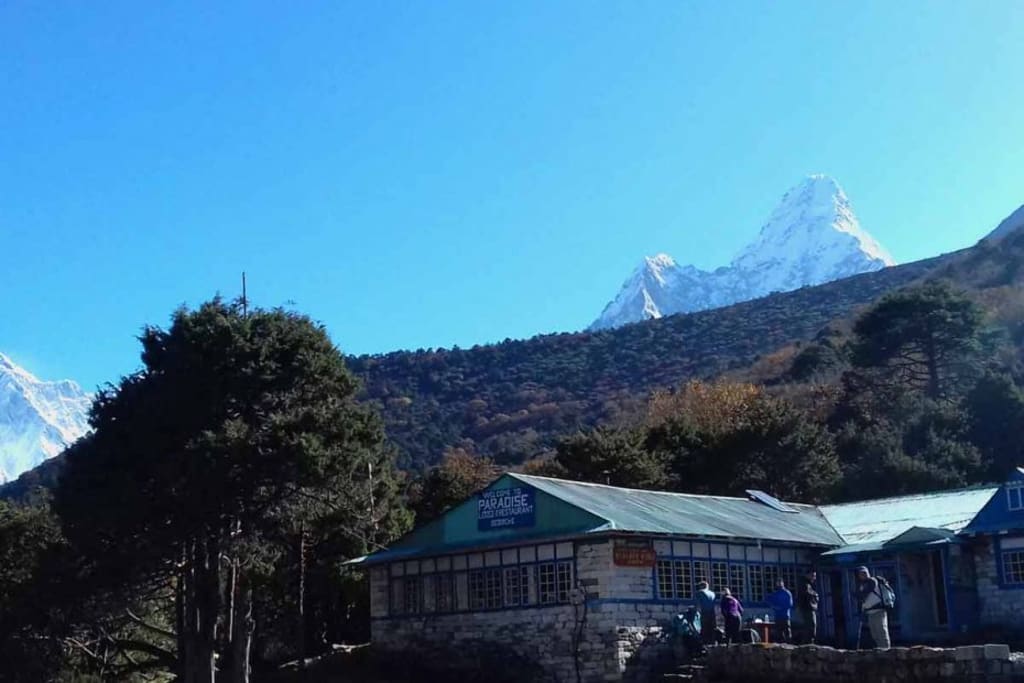
The Ultimate Guide to the Everest Base Camp Trek
Introduction
The Everest Base Camp Trek is one of the most iconic trekking experiences in the world. Nestled in the heart of the Khumbu region of Nepal, this trek offers breathtaking views of towering peaks, unique cultural experiences, and the opportunity to stand in the shadow of Mount Everest, the highest point on Earth. Every year, thousands of adventurers from around the globe embark on this journey, drawn by the allure of the majestic Himalayas and the rich Sherpa culture.
Why October and November are Ideal for Trekking
October and November are widely considered the best months to trek to Everest Base Camp. During this period, the weather is generally stable, with clear skies and mild temperatures. Here’s why these months are perfect for your adventure:
Clear Weather: October offers some of the clearest skies, providing stunning views of the surrounding peaks. The chances of rain are minimal, making trekking conditions ideal.
Mild Temperatures: Daytime temperatures are usually comfortable, ranging from 15°C to 20°C (59°F to 68°F) at lower elevations, and cooler at higher altitudes. Nights can get chilly, especially at Base Camp, but proper gear will keep you warm.
Fewer Crowds: While the trek is popular year-round, October is less crowded compared to the peak tourist season in September. This means more solitude on the trails and a more immersive experience.
Cultural Festivals: Visiting during this period gives trekkers the chance to witness local festivals like Dashain and Tihar, which showcase vibrant cultural traditions and celebrations.
Trekking Overview
The Everest Base Camp Trek typically takes about 12-14 days, depending on the chosen itinerary and pace. The trek covers approximately 130 kilometers (80 miles) from Lukla to Everest Base Camp and back, with an elevation gain of around 2,500 meters (8,200 feet).
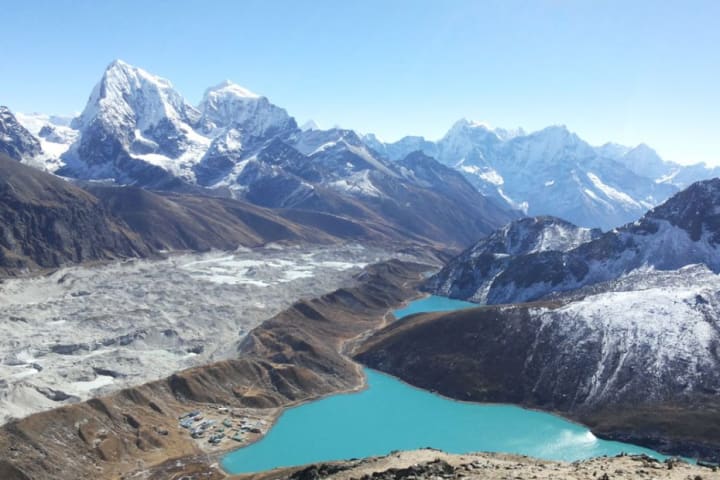
Physical Training: Proper fitness is crucial for a successful trek. Engage in regular cardiovascular workouts, such as hiking, running, cycling, or swimming, to build stamina. Strength training focusing on legs, core, and upper body will also be beneficial.
Gear and Equipment: Quality gear can significantly enhance your trekking experience. Essential items include:
Footwear: Sturdy hiking boots with good ankle support.
Clothing: Layered clothing for varying temperatures. Include thermal base layers, a warm fleece, and a waterproof outer layer.
Sleeping Gear: A quality sleeping bag rated for low temperatures.
Trekking Poles: Helpful for stability and reducing strain on knees.
Acclimatization: Acclimatization is vital to prevent altitude sickness. The itinerary should include rest days, especially when ascending past Namche Bazaar.
Travel Insurance: Ensure you have comprehensive travel insurance that covers trekking at high altitudes and includes emergency evacuation.
The Trekking Route
Day 1: Arrival in Kathmandu
Your journey begins in Kathmandu, where you’ll spend a day exploring the vibrant city. Visit historic sites like Durbar Square, Swayambhunath (the Monkey Temple), and the bustling Thamel area, known for its shops and restaurants.
Day 2: Flight to Lukla and Trek to Phakding
An early morning flight takes you from Kathmandu to Lukla, the gateway to the Everest region. After landing, your trek begins with a hike to Phakding (2,610 m), which takes around three hours. Enjoy stunning views of the surrounding peaks and quaint Sherpa villages along the way.
Day 3: Trek to Namche Bazaar
From Phakding, continue your trek to Namche Bazaar (3,440 m), a bustling market town and the cultural hub of the Khumbu region. This trek takes about 6-7 hours and includes a steep ascent. Spend the evening acclimatizing and exploring the town.
Day 4: Acclimatization Day in Namche Bazaar
Acclimatization is crucial at this altitude. Spend the day exploring the area, including a hike to the Everest View Hotel for breathtaking views of Everest, Lhotse, and Ama Dablam.
Day 5: Trek to Tengboche
The trek from Namche to Tengboche (3,867 m) takes around 5-6 hours. The highlight of this leg is the stunning views of Everest and the majestic Tengboche Monastery, the largest monastery in the Khumbu region.
Day 6: Trek to Dingboche
From Tengboche, trek to Dingboche (4,410 m), which takes about 5-6 hours. The trail offers panoramic views of the Himalayas, and Dingboche is a great place to acclimatize.
Day 7: Acclimatization Day in Dingboche
Another acclimatization day, where you can hike to Chukhung Valley or take a day trip to Island Peak Base Camp for stunning views.
Day 8: Trek to Lobuche
The trek to Lobuche (4,940 m) takes around 5-6 hours. As you approach Lobuche, the scenery becomes more dramatic, with glaciers and towering peaks.
Day 9: Trek to Everest Base Camp
The highlight of the trek, this day takes you to Everest Base Camp (5,364 m). The trek is about 7-8 hours, including time spent at Base Camp. Here, you’ll experience the awe-inspiring atmosphere and views of the Khumbu Icefall.
Day 10: Return to Gorak Shep
After visiting Base Camp, return to Gorak Shep (5,164 m) for the night. If energy permits, hike to Kala Patthar (5,545 m) for sunrise views of Everest.
Day 11: Hike to Kala Patthar and descend to Pheriche
If you didn’t hike to Kala Patthar earlier, this is the day to do it. After enjoying the stunning sunrise, descend to Pheriche (4,371 m) for the night.
Continue your descent back to Namche Bazaar, retracing your steps through beautiful landscapes and Sherpa villages.
Day 13: Trek to Lukla
Your final trek back to Lukla takes around 6-7 hours. Celebrate your accomplishment with your trekking team and reflect on the incredible journey.
Day 14: Flight back to Kathmandu
After returning to Kathmandu, enjoy a well-deserved rest. Spend your last day exploring or shopping for souvenirs.
Cultural Insights
The Khumbu region is rich in Sherpa culture. As you trek, you’ll encounter colorful prayer flags, ancient monasteries, and the warm hospitality of the Sherpa people. Here are a few cultural highlights:
Sherpa Traditions: The Sherpa community is known for their incredible mountaineering skills and deep spiritual connection to the mountains. Engaging with locals can provide insights into their traditions, festivals, and way of life.
Monasteries: Monasteries like Tengboche play a significant role in the spiritual life of the Sherpas. Take a moment to appreciate the intricate architecture and serene atmosphere.
Festivals: If you trek in October or November, you may witness local festivals such as Dashain and Tihar, which involve vibrant celebrations, traditional music, and delicious food.
What to Expect on the Trek
Stunning Landscapes: From lush green valleys to rugged mountains, the trek offers diverse and breathtaking landscapes. Each day presents new vistas and surprises.
Wildlife: The region is home to unique wildlife, including the elusive snow leopard and various species of birds. Keep your eyes peeled for signs of wildlife along the trails.
Challenging Terrain: While the trek is accessible for many, be prepared for steep ascents, rocky paths, and changes in altitude. Proper training and acclimatization are crucial.
Sense of Accomplishment: Reaching Everest Base Camp is a life-changing experience. The sense of achievement, combined with the incredible views, makes every step worth it.
Stay Hydrated: Drinking plenty of water is essential, especially at higher altitudes. Consider using water purification tablets or a filtration system.
Listen to Your Body: Pay attention to signs of altitude sickness, such as headaches, nausea, or dizziness. Ascend slowly and take rest days if needed.
Respect Local Customs: Be mindful of local customs and traditions. Always ask before taking photos of people, especially in religious settings.
Pack Light: While it’s essential to have the right gear, packing light will make your trek more enjoyable. Choose versatile clothing that can be layered.
Enjoy the Journey: The trek is as much about the experience as the destination. Take time to appreciate the surroundings, engage with fellow trekkers, and immerse yourself in the local culture.
Everest Base Camp Trek: Weather, Cost, and Map
Weather During the Everest Base Camp Trek
Understanding the weather is crucial for planning your Everest Base Camp Trek. The trek's weather varies significantly with the seasons, affecting not only your experience but also your safety.
Best Seasons to Trek
Spring (March to May)
Temperature: Ranges from 10°C (50°F) during the day to -5°C (23°F) at night.
Conditions: The weather is generally stable with clear skies, making it the most popular time for trekking. The trails are bustling with trekkers and vibrant wildflowers.
Autumn (September to November)
Temperature: Similar to spring, with daytime highs around 10°C (50°F) and nighttime lows dropping to -10°C (14°F).
Conditions: The post-monsoon season offers clear views and fewer trekkers compared to spring, making it an excellent time for those looking for a quieter experience.
Winter (December to February)
Temperature: Very cold, often dropping below -20°C (-4°F) at higher altitudes.
Conditions: While stunningly beautiful, winter trekking is challenging due to extreme cold and potential snow, making it less popular.
Monsoon (June to August)
Temperature: Warm, with highs around 15°C (59°F).
Conditions: This season is marked by heavy rainfall, making trails muddy and increasing the risk of landslides. It's generally not recommended for trekking.
Weather Variability
The weather can change rapidly in the Himalayas. It's wise to check forecasts before heading out and be prepared for sudden changes. Having the right gear is essential—layered clothing, waterproof jackets, and proper trekking boots are must-haves.
Cost of the Everest Base Camp Trek
The cost of trekking to Everest Base Camp can vary widely based on several factors, including the trekking route, duration, and whether you choose to go with a guided group or independently.
Permits
Trekking Permit: The TIMS (Trekkers’ Information Management System) card costs around $20.
Sagarmatha National Park Permit: This permit costs about $30 and is required to enter the park.
Guide and Porter Fees
Hiring a guide can cost between $25 to $50 per day, while porters typically charge around $15 to $25 per day. Many trekkers choose to hire both for convenience.
Accommodation and Meals
Teahouses: Basic lodgings along the route cost between $5 to $10 per night. Meals at teahouses range from $5 to $10, depending on what you order. A typical meal might include dal bhat, noodles, or soups.
Luxury Lodging: For those looking for more comfort, some areas offer luxury lodges at higher rates.
Equipment and Gear
Investing in good quality trekking gear can add to your expenses, but it’s vital for comfort and safety. Renting gear in Kathmandu is also an option for those on a budget.
Total Estimated Costs
For a 12 to 14-day trek, the total cost can range from $1,000 to $3,000 or more, depending on your choices. A budget trek with minimal extras could be closer to the lower end, while a guided trek with more amenities could approach the higher end.
Map of the Everest Base Camp Trek
Having a detailed map of the Everest Base Camp Trek is crucial for navigating the various trails and understanding the landscape. Maps typically highlight key points along the route, including:
Starting Point: Lukla
Major Stops: Namche Bazaar, Tengboche, Dingboche, Lobuche, Gorak Shep, and finally, Everest Base Camp.
Altitude Information: Each point on the map includes elevation details, helping trekkers acclimatize to the altitude properly.
Key Locations on the Map:
Lukla (2,840 m) - The gateway to the Everest region.
Namche Bazaar (3,440 m) - The main hub for trekkers with essential services.
Tengboche (3,860 m) - Famous for its monastery and stunning views of Everest.
Dingboche (4,410 m) - A great place to acclimatize.
Lobuche (4,940 m) - The last stop before Gorak Shep.
Gorak Shep (5,164 m) - The last village before reaching Base Camp.
Trekking maps can be obtained from various sources, including online retailers and local shops in Kathmandu. GPS devices or trekking apps can also provide real-time navigation assistance.
Conclusion
The Everest Base Camp Trek is a once-in-a-lifetime adventure that requires careful planning and preparation. Understanding the weather conditions, budgeting for the journey, and having a reliable map are essential components for a successful trek. Whether you’re mesmerized by the breathtaking views, eager to experience the rich culture of the Sherpa people, or determined to reach the base of the world’s highest peak, the trek promises an unforgettable experience.
By preparing adequately, you'll not only enhance your trekking experience but also ensure your safety and enjoyment on this incredible journey through the heart of the Himalayas.
About the Creator
bikash khanal
"Passionate traveler with a thirst for adventure and a love for discovering new cultures and landscapes. From scaling mountain peaks to exploring hidden gems around the globe.
Keep reading
More stories from bikash khanal and writers in Journal and other communities.
Empowerment and Representation: Why Miss Nepal 2025 is a Call to Ambitious Young Women
Empowerment and Representation: Why Miss Nepal 2025 is a Call to Ambitious Young Women As we approach the highly anticipated Miss Nepal 2025 competition, the excitement in the air is palpable. This event is not just a beauty pageant; it's a transformative journey for many young women. If you're an ambitious young woman dreaming of making your mark, this is your moment! The Miss Nepal platform offers a unique opportunity to empower yourself and others while representing our vibrant culture on an international stage.
By bikash khanalabout a year ago in Journal
The goals I did not achieve
Every writing goal I made for the year is a wash. It has been this way for a while, but I think it's important to be open about my failures and the reality of how life can get in the way. This is especially true considering the several times I have posted on Vocal about my writing goals, how I was changing my approach, and where I was hoping to be for the upcoming year. I will probably do that again in a couple months, but for now, it is time to acknowledge where I am today.
By Kay Husnick23 days ago in Journal
6 Reasons Fiber Channel Remains the Gold Standard for SANs
Data grows every single day. Companies store files, apps, videos, and backups on a regular basis. Due to this growth, businesses require storage that operates efficiently and remains secure. A Storage Area Network helps manage this load. Many new technologies exist today, yet Fiber Channel remains the leader.
By Gabriella Browne4 days ago in Journal
Wild Card Weekend Recap: What Happens Now?
I think I figured out why I love Wild Card Weekend so much. It's because it's the first playoff anything of the calendar year. The NFL season starts in the fall, and once upon a time, the champion was crowned either on or slightly before New Year's. The evolution of the NFL schedule has resulted in the playoffs starting just into the New Year, and currently, the final week of the season falls on the first weekend of the New Year, with Wild Card Weekend coming a week after that. So yes, chronologically, the NFL's Wild Card Weekend serves as the first playoff anything of the calendar year.
By Clyde E. Dawkins5 days ago in Unbalanced



Comments
There are no comments for this story
Be the first to respond and start the conversation.