
Why my Boss taking Paid Parental Leave as a Male Executive is Important
For everyone in the workplace.

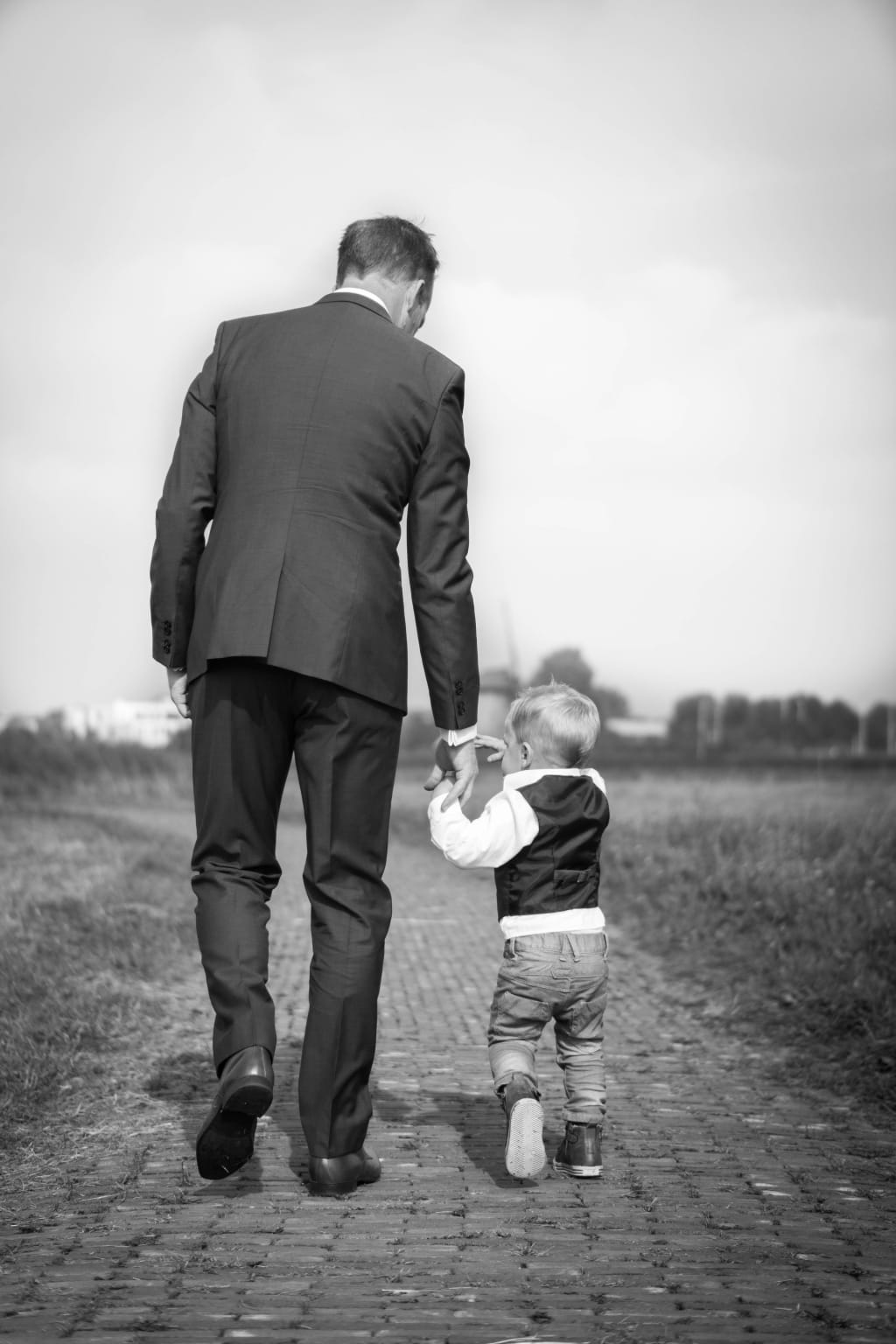
In a progressive yet overdue move, my company recently introduced paid parental leave. The policy is one of the most generous available in Australia. Six months at full pay to the primary carer, followed by an option to extend by a further 1.5 years unpaid, but with a return to work guarantee.
After playing an integral role in developing and implementing the policy, I'm currently reaping the benefits. I've just extended to the maximum allowable leave so that I can be at home with my daughter for the first two years of her life.
Now, for the first time since its inception, a male employee will be utilising the paid parental leave policy. And not just any male employee, the Chief People Officer.
This is an epic move on his part. But not entirely unexpected. He's the best leader I've ever worked for. He is my mentor and my biggest advocate. His devotion to the people of the organisation goes beyond any traditional views that often coincide with HR. He is eccentric and perplexing to most who cross paths with him. He teaches through storytelling and is the epitome of a thought-leader. He's disorganised and a little dysfunctional, but he's a pioneer. He's also a middle-aged white dude, smashing the stereotype and challenging the patriarchy.

Apart from the fact that it sends an amazing message from the top around the importance of balancing work and family life, it also gives unspoken permission to anyone unsure of the consequences of using the policy.
It creates a huge sense of psychological safety within the culture.
It's assumed that the female employees that are in the position of having or wanting to start a family in future will use the leave. Paid or unpaid. It's the societal norm but doesn't come without apprehension from females in the workforce. I'm a Senior Manager in the organisation, and I feel anxious when I think about how this break will impact my career and what it will mean for me when I return to my role after being absent for so long. I will navigate it, as many women have done before me, and probably at least once more in my lifetime as I complete my family.
That anxiety has eased significantly since learning that my boss is using the policy.
If someone at an executive level, that reports to the CEO and who is a man can take paid parental leave, then we all can without fear of how it might impact our career.
His use of the policy cements the organisation's commitment to providing a genuinely inclusive environment. It isn't simply words on paper; it is a living, breathing embodiment of the inclusive culture that is being cultivated.
It is particularly courageous if you consider how much stigma surrounds this issue for men. Many Dad's miss out on valuable time with their family to meet the demands of their work, both directly and from the pressure that society places on the "breadwinner". But the beauty of this particular circumstance is that his wife, the Mother of his child, is a successful professional in her own right. And unfortunately, her workplace does not provide her with the option.
They could have chosen to do what many working couples do and place the child in care once Mum has to return to work. But he has made a statement in his choice to take on the primary carer role for a few months, and that statement is: Being a Parent is an equally important job for Mum or Dad.
Witnessing this first-hand makes me excited for the future of work. It is a privilege to bear witness to what has the potential to be a monumental shift in the way we consider genuine work/life balance. And it is a giant leap forward in creating truly inclusive workplaces.
About the Creator
Jessie Waddell
I have too many thoughts. I write to clear some headspace. | Instagram: @thelittlepoet_jw |
"To die, would be an awfully big adventure"—Peter Pan | Vale Tom Brad
Keep reading
More stories from Jessie Waddell and writers in Journal and other communities.
A ‘Read Only’ Subscription would be a Game-changer for Vocal
I read a new article almost daily from my fellow creators suggesting improvements for the Vocal platform. The more I read, the more the cogs were turning in my own brain over what would really make the platform a must for creators.
By Jessie Waddell5 years ago in Journal
Author’s Advice
If you would’ve asked me 20 years ago did I know I’d become a writer and an author, I would’ve said “nope, ain’t happening”. As fate would have it I did become an author and I can honestly say I’m loving it so far. It really does feel good to be a writer. I’ve learned a lot on this journey and I feel like with even me being as new to this world as I am, there’s some wisdom I need to share with every other aspiring author.
By Joe Patterson4 days ago in Journal
The Forsyth House Fire
Since 1851, Forsyth House has stood on the corner of Union Street and Gordon Street in the heart of Glasgow. Its iconic, or was... because on Sunday 8th of March, 2026, a fire broke out in a small, seemingly un-named shop in the building and tore all that history down. As I write, the rubble is still unsettled and the street is still blocked off. Central Station is quiet on the upper level, and around 30 small businesses have quite literally gone up in smoke.
By S. A. Crawford3 days ago in The Swamp




Comments
There are no comments for this story
Be the first to respond and start the conversation.