
Why Most of the Buttons are Green Color on Different Sites
Understanding the Proliferation of Green Buttons in Website Design
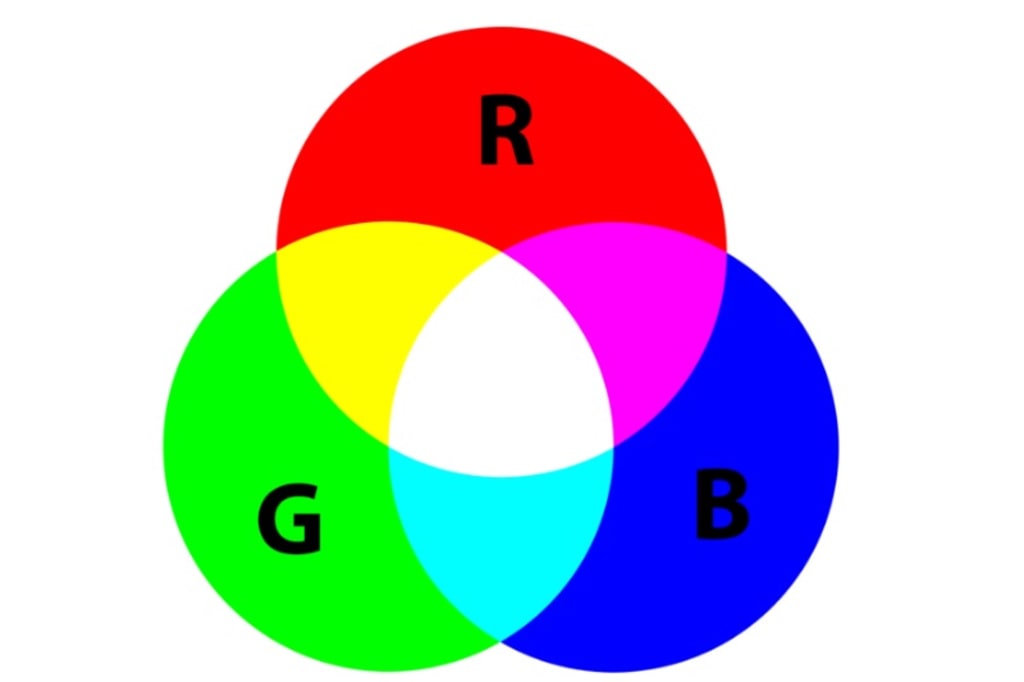
In the vast landscape of the internet, where user interfaces play a crucial role in shaping user experiences, the color choices of website buttons have become a fascinating topic of discussion. Among the myriad of colors available, one color seems to dominate the digital space – green. In this article, we delve into the psychology, design trends, and user experience considerations that contribute to the prevalence of green buttons on various websites.
Psychological Impact of Colors
Colors have a profound impact on human psychology, influencing emotions, perceptions, and behavior. Green, in particular, is often associated with positive feelings such as tranquility, growth, and success. Its presence in nature, symbolizing vitality and harmony, contributes to a positive user experience when employed in the digital realm. Understanding the psychological impact of colors helps designers strategically choose hues that resonate with users.
Evolution of Button Design
The evolution of button design has witnessed a shift from purely aesthetic choices to user-centric design principles. Earlier website designs often prioritized visual appeal, but modern design thinking emphasizes usability and user experience. A/B testing has played a significant role in determining effective button colors, and the prevalence of green suggests that it aligns well with user expectations and preferences.
Green as a Call to Action
Green, universally recognized as a signal to "go" or "proceed," naturally aligns with the call-to-action (CTA) elements on websites. Whether it's a "Submit," "Buy Now," or "Sign Up" button, the use of green conveys a positive and affirmative message, encouraging users to take the desired action.
Choosing the right shade is also crucial. Not only this, the color should be same whether it’s email newsletter, digital card, website design or a social media post. It gets harder for non-designers to use the same and this brings the need of color converting tool like rgb-hex.com to use same color shade in both rgb and hex channels.
Cultural and Industry Trends
The color choices for buttons can vary based on cultural preferences and industry trends. While certain cultures may associate specific meanings with colors, industries often adopt standardized color palettes for consistency and brand recognition.
The prevalence of green buttons might be influenced by both cultural expectations and industry-wide design trends, contributing to a harmonious user experience.
Usability and Accessibility
Effective button design goes beyond aesthetics and considers usability and accessibility. Designers must ensure that color choices cater to users with color blindness and adhere to accessibility standards. While green buttons are visually appealing to many, it's crucial to strike a balance between aesthetics and usability to provide an inclusive user experience.
Examples
Analyzing popular websites reveals the widespread use of green buttons. Platforms like Amazon, Spotify, and Facebook prominently feature green CTAs. Examining the success stories and challenges faced by these platforms sheds light on the impact of green buttons on user engagement and conversion rates, providing valuable insights for designers.
Future Trends
As web design continues to evolve, so too will color trends. Emerging technologies and changing user preferences may influence future button design choices. Keeping an eye on these trends allows designers to stay ahead and adapt to the dynamic nature of web design.
Conclusion
The prevalence of green buttons on websites is a result of a thoughtful combination of psychology, design evolution, cultural influences, and usability considerations. The strategic use of green as a call to action aligns with positive user experiences, contributing to the overall success of websites.
As web design trends continue to evolve, understanding the dynamics of color choices remains crucial for creating interfaces that resonate with users. The green button phenomenon is not just a design trend; it's a reflection of the intricate interplay between design principles and user psychology in the digital realm.
About the Creator
A Dart at Dusk
Seconds ago, the sullen sun set on the two of us… my exuberant furry companion and me. A fresh breeze embraces us, delivering welcome relief from the day’s oppressive heat. His typical stumbling and staggering along — apace with a sloth — has turned into trip-trapping, high-stepping, almost skipping along.
By Angie the Archivist 📚🪶6 days ago in Petlife


Comments
There are no comments for this story
Be the first to respond and start the conversation.