
Why More People Are Turning to Apple Services in 2025
A look at why Apple’s ecosystem and services grow stronger this year

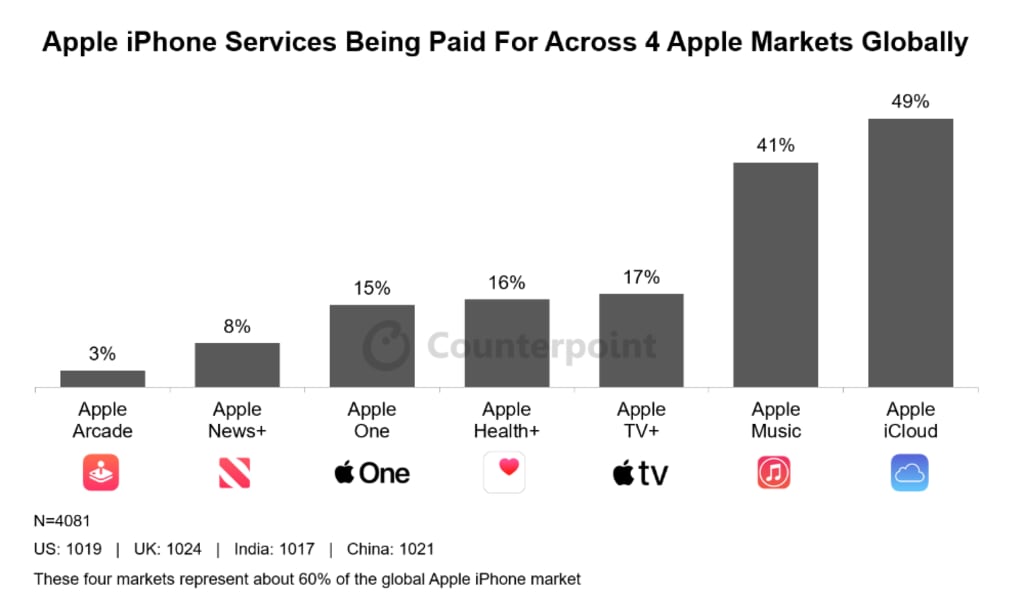
Apple has long sold hardware: iPhones, iPads, Macs, Apple Watches. But lately, many people notice a shift. More users now pay attention to Apple’s services — and that matters. In 2025, Apple’s services (cloud storage, subscriptions, apps, backups) are growing. This shift may shape how people use their devices and what Apple becomes in the future.
What We Mean by “Apple Services”
When we say “services,” we mean things like:
- iCloud storage and syncing
- Music streaming and media subscriptions
- App purchases and software updates
- Cross-device backup and data sharing
- Continuity features: sharing data between iPhone, iPad, Mac
- Ongoing device support and software upgrades
These are the tools that run across Apple devices, no matter when you bought them. Services help old devices stay useful, and make new devices feel more powerful from day one.
Why Services Are Growing Now
Several reasons push more people toward Apple services in 2025.
1. Device saturation
Many people own at least one Apple device. As hardware becomes familiar and long-lasting, buying new devices often slows. Instead, people now value what works across devices — like syncing, data storage, and media.
2. Better value and convenience
Owning a few services (cloud, music, apps) over time feels cheaper than replacing a phone every year. For many, it makes sense to pay a monthly fee for convenience, backups, and cross-device features.
3. Long-term support
Apple supports old devices with updates and security patches for many years. This encourages users to keep devices longer. When people know their device will last, they invest in services rather than just hardware.
4. Ecosystem lock-in
When you use iCloud, Messages, Photos, backups — switching to non-Apple devices becomes harder. That makes Apple services more valuable if you stay in the ecosystem. Many users stick with Apple because of that consistency.
5. Global reach and growing markets
As Apple expands worldwide, more people enter the ecosystem. New users often buy a device, but then rely on cloud, subscriptions, and software services because they offer convenience, backups, and secure data — especially where storage or device reliability matters a lot.
What This Means for Users
If you use an iPhone, iPad, or Mac — focusing on services may make sense. Here’s what it gives you:
- Your photos, documents, messages sync across devices seamlessly.
- Backups protect you from data loss if a device breaks or resets.
- Media, music, books, streaming — they follow you everywhere.
- Buying apps and subscriptions once works across different Apple devices.
- Using older hardware still feels useful and supported.
In short: services make Apple devices last longer — and work more like personal tools than disposable gadgets.
What This Means for Apple’s Strategy
For Apple, this shift toward services matters — a lot.
- Stable revenue: Services bring recurring income, not just one-time sales.
- Ecosystem strength: When users rely on services, they stay in Apple’s world. That encourages long-term loyalty.
- Global growth potential: Hardware markets saturate; services can grow anywhere there’s Internet.
- Device value: Old devices stay useful, reducing electronic waste and boosting brand trust.
- Innovation focus: Instead of just hardware upgrades, Apple can improve software, privacy, and global tools — benefiting all users.
This means Apple is not just a gadget maker. It becomes a long-term platform for digital life.
Why This Trend Matters in 2025
Technology changes fast. But people’s needs remain similar: communication, safety, convenience, memories, work. Services match those needs.
In 2025, more people care about data privacy, long-term value, and global connectivity. Cloud backups, cross-device syncing, and long support lifetimes fit those needs.
This shift also reflects global economic changes. Not everyone wants to buy new devices often. Services offer flexibility and lower upfront costs.
What to Keep in Mind
Relying on services has pluses — but also trade-offs:
- Ongoing cost: monthly or yearly fees accumulate over time.
- Dependence on Internet and network quality: without good access, services lose value.
- Privacy and data: cloud storage works great — but only if users trust the storage system and manage settings carefully.
- Ecosystem lock-in: moving away from Apple becomes harder once you rely on many services.
So using services wisely — knowing pros and cons — matters. It’s not about ignoring risks. It’s about choosing what fits your needs.
Final Thoughts
Apple’s shift from hardware to services shows the company’s long-term vision. In a world full of gadgets, Apple bets on useful, lasting tools. Services give devices life beyond the day you buy them. They make your iPhone, iPad, or Mac more than a gadget — a tool for years, connected, secure, and evolving.
For users, that may mean calmer decisions: keep what you have, expand what matters, and enjoy continuity. For Apple, it may mean stability, growth, and a future built on trust, not just new models.
About the Creator
Shakil Sorkar
Welcome to my Vocal Media journal💖
If my content inspires, educates, or helps you in any way —
💖 Please consider leaving a tip to support my writing.
Every tip motivates me to keep researching, writing, sharing, valuable insights with you.
Keep reading
More stories from Shakil Sorkar and writers in Journal and other communities.
Report: Apple Prepares to Introduce Two New iPad Models in 2026
New information suggests that Apple may bring out two new iPad models in 2026. These models aim to offer better screens, faster chips, and refreshed designs. The news has stirred interest from fans of tablets — and people who use iPads for work, study, and creativity.
By Shakil Sorkar3 months ago in Journal
Strategic Growth Mindset
Professionals who study leadership and organizational growth, including business strategist Joel Keyser, often emphasize the importance of thinking beyond short-term wins. In competitive markets, companies that focus only on immediate results may struggle to sustain momentum. A strategic growth mindset encourages leaders to make decisions that build long-term value while strengthening teams, processes, and innovation.
By Joel Keyser7 days ago in Journal


Comments
There are no comments for this story
Be the first to respond and start the conversation.