
Why It’s Important to Build Sustainable Buildings
This paper will look into why being sustainable in the building is important because it has many good effects for everyone.

Picture: Unsplash
Sustainable buildings are more than just the latest trend; they are a smart choice for both the Earth and its people. The construction field needs to change because climate change and resource problems are getting worse. These buildings lower wasted energy, cut pollution, use environmentally safe materials, and make people healthier and happier. This paper will look into why being sustainable in the building is important because it has many good effects for everyone.
Protecting the Environment
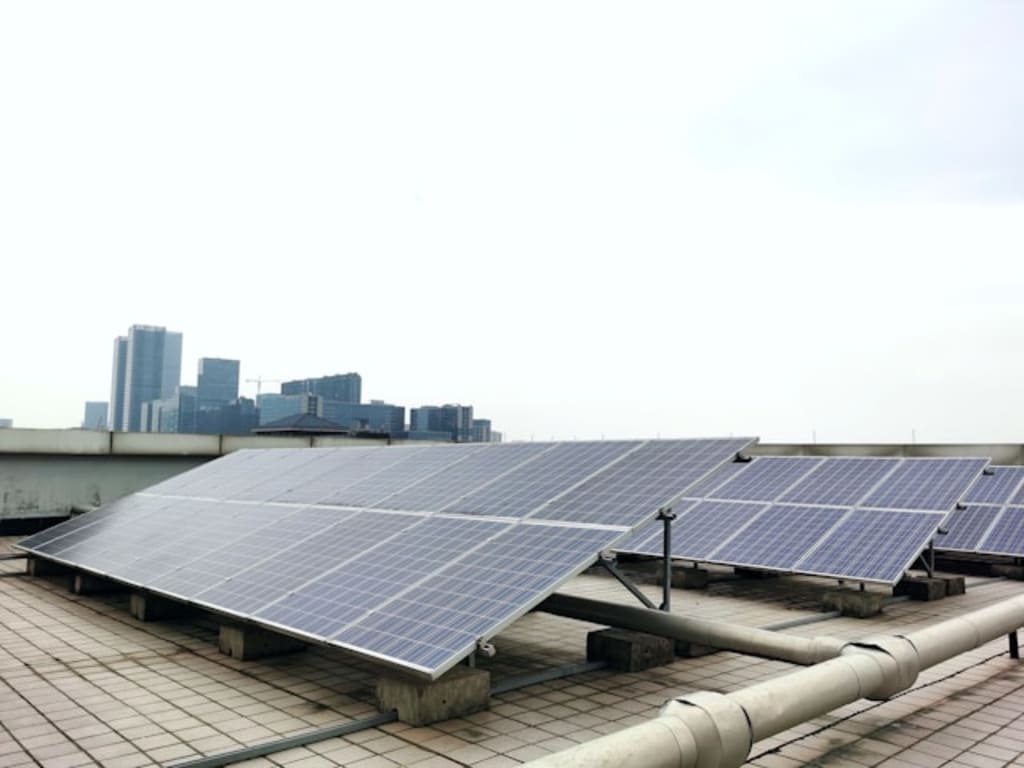
Starting with the obvious—sustainable buildings keep the earth breathing easier. Traditional construction guzzles resources like water, timber, and fuel, leaving behind a hefty carbon footprint. Flip that script with green designs that trim energy use through solar panels or better insulation. Less waste and fewer emissions mean cleaner air and a lighter load on the planet’s systems. Materials make a difference, too. Opting for recycled steel or bamboo over virgin concrete slashes the demand for raw stuff that tears up landscapes. Think about quarries shrinking forests or mines scarring hillsides—sustainable choices dodge that mess. Plus, these buildings often recycle water, easing the strain on rivers and reservoirs that cities lean on hard.
Biodiversity gets a nod here, too. Green roofs or walls packed with plants don't just look cool—they give birds, bugs, and pollinators a spot to thrive. Urban sprawl tends to bulldoze habitats, but sustainable designs weave nature back in. It's a small win that stacks up, keeping ecosystems humming even in concrete jungles. Long-term payoff seals the deal. Structures built to last with low-impact methods don’t need constant tear-downs or rebuilds, sparing landfills from more debris. Less churn in construction keeps soil stable and cuts pollution from heavy machinery. It’s a slow burn that pays off big for the environment over decades.
Boosting Human Health and Comfort
People spend most of their lives indoors, so buildings better be good for them. Sustainable designs crank up air quality with ventilation that swaps out stale stuff for fresh breezes. Add in non-toxic paints and materials, and suddenly, there's less junk—like VOCs—floating around to mess with lungs or trigger headaches. It's a quiet upgrade that hits home. Natural light is a game-changer, too. Big windows or skylights flood spaces with sunshine, cutting reliance on flickering bulbs that strain eyes. Studies back it up—daylight lifts moods and keeps focus sharp, whether at work or home. Sustainable buildings bank on that, making spaces feel alive instead of boxed-in and dreary.
The temperature stays steady without the energy-hogging. Think thick walls or smart shading that keep heat out in summer and trap warmth in winter. No more sweating through July or shivering in January—comfort sticks around year-round. Occupants feel the difference, and it's not just fluff; it’s practical living dialed up. The noise gets tamed, too. Green buildings often layer in soundproofing—maybe from hefty insulation or plant-covered exteriors—that muffles traffic or chatter. Quiet spaces help folks relax or concentrate, dodging stress that creeps in from constant racket. It's a health perk that sneaks under the radar but lands big for anyone inside.
Cutting Costs Over Time
Money talks and sustainable buildings deliver savings that stack up. Upfront costs might sting a bit—solar setups or high-grade windows aren't cheap—but the payoff rolls in fast. Energy bills shrink when heating, cooling, and lighting sip power instead of chugging it. Over the years, those savings dwarf the initial hit, putting cash back in pockets. Maintenance eases up, too. Durable materials like reclaimed wood or metal hold strong, skipping the frequent fixes that old-school builds demand. Less patching or replacing means fewer headaches and lower bills. It's a set-it-and-forget-it vibe that keeps budgets happy without skimping on quality.
Water efficiency chips in next. Rainwater systems or low-flow fixtures slash usage, especially in big complexes where every drop counts. Cities with pricey utilities see the benefit quickly—less waste equals more green in the bank. Pair that with tax breaks or grants for eco-friendly projects, and the financial case gets even tighter. The resale value climbs, too. Buyers and renters hunt for green features now—energy savings and comfort sell hard. A sustainable building stands out in a crowded market, pulling higher offers or steady tenants. It's not just cost-cutting; it's an investment that grows as demand for eco-living spikes.
Supporting a Broader Impact
Sustainable buildings don’t stop at their walls—they spark bigger shifts. Companies jumping on this train signal they’re serious about corporate sustainability, earning nods from customers who care about the planet. That reputation boost isn’t fluff; it draws loyalty and sets a brand apart in a world where green cred matters more every day. Jobs come along for the ride. Building green calls for skilled workers—think solar techs or architects versed in eco-design. Local economies perk up as projects hire nearby talent instead of shipping in crews. It’s a ripple that lifts communities, tying sustainability to real paychecks and growth.
Conclusion
Building sustainable structures isn’t optional anymore—it’s a must. They shield the environment, cradle human well-being, trim long-term costs, and spark wider change that echoes beyond their foundations. Every step toward greener construction tackles today’s challenges while setting up a better tomorrow. Ignoring this shift risks falling behind; embracing it builds a legacy worth standing on.
About the Creator
Keep reading
More stories from Sheryl Wright and writers in Journal and other communities.
5 Effective Ways to Make Your Business Stand Out
Picture: Unsplash For any business striving to grow, it is important to stand out from the competition. The overall business landscape is becoming increasingly competitive and just offering products or a service does not suffice!
By Sheryl Wright12 months ago in Journal
Transitioning to True Voice
After years of navigating some social media platforms — spaces built for instant gratification and mimicry — I realized I needed a different kind of space. Years ago, I created a brand to support a community exploring their roots and building internally, rather than feeding the ego machine. I spent years nurturing this brand, planting seeds, and watching them grow as the community embraced their heritage. People began returning to their ancestral lands, learning about their roots, and connecting deeply at heart. The reward was witnessing individuals healed through the power of our shared history and collective experience.
By Fredelinda-The Prophetic Lens®7 days ago in Journal



Comments
There are no comments for this story
Be the first to respond and start the conversation.