

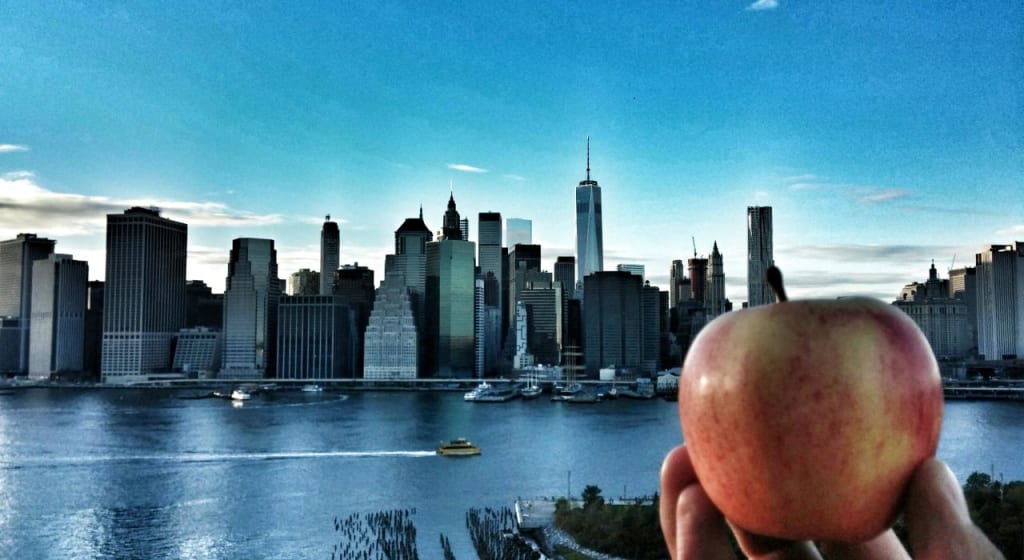
Have you ever wondered why New York City, one of the most iconic metropolises in the world, is nicknamed "The Big Apple"? It's a question that's puzzled many visitors and even some locals. Just like how a shiny red apple catches your eye in a fruit bowl, New York City stands out among other cities, drawing people from all corners of the globe. But the story behind this fruity moniker is as colorful and diverse as the city itself. Let's bite into the core of this intriguing tale and uncover the juicy details of how NYC earned its famous nickname.
The Origin of the Nickname
The story of how New York City became known as "The Big Apple" is a journey through time, with roots reaching back to the early 20th century. It's not a straightforward tale, but rather a patchwork of influences that came together to create one of the most recognizable city nicknames in the world.
Early Mentions
The earliest known written mention of "The Big Apple" in reference to New York City dates back to the 1920s. However, the use of the term wasn't widespread or commonly associated with the city just yet. It was more of a seedling idea that would eventually grow into the towering nickname we know today.
Jazz Age Influence
One of the most popular theories about the origin of "The Big Apple" nickname is tied to the vibrant jazz scene of the 1920s and 1930s.
The Jazz Connection
Jazz musicians played a crucial role in popularizing the term. In their lingo, playing "the big apple" meant performing in New York City, considered the ultimate goal for many aspiring artists. It was the place where you could make it big, the cream of the crop in the entertainment world.
Spreading the Word
As jazz music gained popularity and musicians traveled the country, they spread the use of "The Big Apple" to refer to New York City. It became a way to express the city's significance and allure in the music world.
Horse Racing Connection
Interestingly, another theory links the nickname to the world of horse racing, predating even the jazz connection.
Stables and Apples
In the early 1920s, John J. Fitz Gerald, a horse racing reporter for the New York Morning Telegraph, began using the phrase "the big apple" in his columns. He claimed to have heard stable hands in New Orleans refer to New York City's racetracks as "the big apple," meaning the big-time, where the biggest prizes were to be won.
From Track to City
Fitz Gerald's columns popularized the phrase among racing enthusiasts, and gradually, it began to be applied to New York City as a whole, not just its racetracks.
Depression Era Usage
During the Great Depression of the 1930s, the use of "The Big Apple" took on new meanings and spread beyond the realms of jazz and horse racing.
Symbol of Hope
In these tough economic times, New York City represented hope and opportunity for many Americans. The idea of the "Big Apple" symbolized the biggest prize, the ultimate goal in a challenging world.
Cultural Adoption
As more people from different walks of life adopted the term, it began to lose its specific associations with jazz or racing and became a general nickname for the city itself.
1970s Tourism Campaign
The nickname got its biggest boost in the 1970s, thanks to a clever marketing campaign that would cement "The Big Apple" in the public consciousness.
Official Adoption
In 1971, Charles Gillett, president of the New York Convention and Visitors Bureau, launched a tourism campaign centered around "The Big Apple" theme. This official adoption gave the nickname new life and wider recognition.
Big Apple Makeover
The campaign included everything from T-shirts to promotional materials, all featuring apples. It was a major effort to rebrand New York City, which was facing economic difficulties and a less-than-stellar reputation at the time.
Cultural Impact
The success of the tourism campaign and the long-standing use of the nickname have had a lasting impact on New York City's identity.
Iconic Status
Today, "The Big Apple" is recognized worldwide as a symbol of New York City. It's used in countless contexts, from tourism to business, and has become an integral part of the city's brand.
Visual Representation
The apple imagery is now closely associated with NYC, appearing on souvenirs, logos, and even official city communications.
Alternative Theories
While the jazz and horse racing theories are the most widely accepted, there are other interesting, if less substantiated, ideas about the nickname's origin.
Apple Carts and Brothels
Some claim the term comes from Depression-era street peddlers selling apples, while others link it to 19th-century brothels. These theories, while colorful, lack the historical evidence of the main explanations.
Indigenous Connections
There are even theories tying the nickname to Native American history, though these are generally considered to be more folklore than fact.
The Big Apple in Popular Culture
The nickname has been woven into the fabric of popular culture, appearing in countless songs, movies, TV shows, and books.
Musical Tributes
From Frank Sinatra to Jay-Z, many musicians have referenced "The Big Apple" in their lyrics, further cementing its place in cultural consciousness.
Literary and Film Appearances
The nickname has been featured in numerous novels and films set in New York City, often used as shorthand for the city's grandeur and allure.
NYC's Other Nicknames
While "The Big Apple" might be the most famous, New York City has acquired several other nicknames over the years.
Gotham and More
"Gotham," famously used in Batman comics, is another well-known nickname for NYC. Others include "The City That Never Sleeps" and "The Capital of the World."
Nickname Evolution
These various nicknames reflect different aspects of New York's character and history, showing how the city's identity has evolved over time.
The Enduring Appeal of The Big Apple
Despite its somewhat mysterious origins, "The Big Apple" has stood the test of time as New York City's premier nickname.
Symbolism and Aspiration
The nickname continues to embody the city's role as a place of opportunity, excitement, and achievement. It's a perfect encapsulation of the New York dream.
Global Recognition
Around the world, "The Big Apple" is instantly recognizable as New York City, a testament to the nickname's enduring power and appeal.
In conclusion, the story of why NYC is called "The Big Apple" is a fascinating journey through the city's cultural history. From jazz clubs to racetracks, from marketing campaigns to global recognition, this nickname has grown from a simple phrase to a powerful symbol of one of the world's greatest cities. Next time you bite into an apple, you might just think of the bustling streets, towering skyscrapers, and endless possibilities of New York City – the ultimate Big Apple.
About the Creator
Explore New York Now
Explore New York Now is your one-stop guide for experiencing the best of New York City. From iconic landmarks to hidden gems, we provide insider tips and curated recommendations to help you plan an unforgettable trip.
Keep reading
More stories from Explore New York Now and writers in Journal and other communities.
7 Hidden Gems: NYC's Best Budget-Friendly Adventures
Are you ready to explore the Big Apple without emptying your wallet? New York City might have a reputation for being expensive, but beneath its glitzy surface lies a treasure trove of cheap things to do in nyc - budget-friendly adventures waiting to be discovered. Like a savvy urban explorer armed with a treasure map, you're about to uncover some of NYC's best-kept secrets that won't cost you an arm and a leg.
By Explore New York Nowabout a year ago in Journal
The Quiet Power of Analytical Balances in Everyday Precision
There’s a moment in many labs, classrooms, and even small workshops when everything goes quiet. Someone places a sample on a weighing pan, holds their breath, and waits for the numbers to settle. That moment might seem small, but it’s where accuracy begins. This is exactly where Analytical Balances quietly do their most important work.
By Andrew Mile3 days ago in Journal


Comments
There are no comments for this story
Be the first to respond and start the conversation.