

Introduction
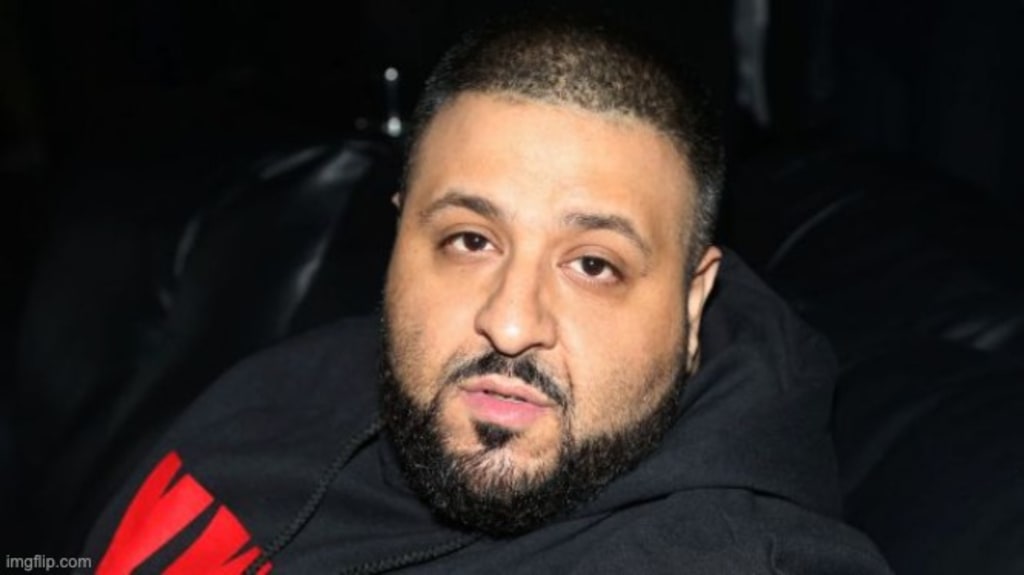
DJ Khaled is one of the most recognizable names in the global music industry. Known for his booming personality, inspirational catchphrases, and collaborations with some of the biggest artists in hip-hop and pop, Khaled has built a brand that transcends music. But while he is quick to speak about positivity, success, and perseverance, there’s one topic that has consistently drawn attention to his silence: Palestine.
Many fans wonder why a man of Palestinian descent, who often highlights his family roots and Middle Eastern background, rarely—if ever—addresses the humanitarian crisis, conflict, and suffering faced by Palestinians. The question is complicated, layered with the realities of fame, business, politics, and identity.
This article explores possible reasons behind DJ Khaled’s silence, the expectations placed on celebrities, and what his silence represents in a broader cultural and political context.
DJ Khaled’s Background
Born Khaled Mohamed Khaled in 1975 in New Orleans, Louisiana, DJ Khaled is the son of Palestinian immigrants. His parents came from the Gaza Strip and built a life in the U.S. while raising their son in a household immersed in Arabic language and culture. Khaled himself has spoken proudly of being Arab and Muslim, and has occasionally mentioned his Palestinian heritage in interviews.
However, while he embraces his roots on a personal and cultural level, he has stayed away from political commentary. This contrasts with other celebrities of Middle Eastern descent who have spoken openly about Palestine, such as Gigi and Bella Hadid.
So why does DJ Khaled choose silence on this issue, despite his Palestinian background?
The Power and Risk of Celebrity Voices
Celebrities hold tremendous influence in shaping public discourse. When a major artist posts about a cause, it can reach millions instantly. Social media activism has become a powerful tool for raising awareness, whether about racial justice, climate change, or international conflicts.
But with that influence comes risk. Public figures often face backlash, boycotts, or career consequences when they take sides on highly polarizing issues. The Israeli-Palestinian conflict is one of the most politically charged and divisive topics in the world. Speaking about it can instantly alienate fans, brands, or even industry colleagues.
For someone like DJ Khaled—whose career thrives on broad appeal, collaboration, and brand deals—the risk of controversy may outweigh the perceived benefit of speaking out.
1. Business Interests and Global Branding
DJ Khaled’s career is built on being everywhere—radio, commercials, social media, sneakers, headphones, even cooking shows. He is not just a musician but a global brand. Global brands usually try to avoid divisive political positions, especially on international conflicts.
By remaining silent, Khaled ensures that his marketability isn’t threatened. Endorsements, partnerships, and record label support depend heavily on maintaining a neutral image. A single political statement—particularly about Palestine—could jeopardize deals with corporations wary of backlash.
Khaled has built an empire on being universally appealing: the “We the Best” guy, the source of motivational energy, the memeable personality. Political activism doesn’t align with that persona.
2. The Music Industry’s Political Climate
The U.S. music industry is deeply intertwined with mainstream media and corporate interests. Publicly supporting Palestine can bring consequences, as artists have seen with cancelled shows, pulled sponsorships, and negative press.
While some stars, like Macklemore or Dua Lipa, have spoken up, many choose silence to protect their careers. For Khaled, who relies heavily on collaborations with American megastars such as Jay-Z, Drake, and Justin Bieber, rocking the boat politically may feel too risky.
Simply put, the industry rewards artists who stay neutral and punishes those who don’t. Khaled’s silence may be less about personal belief and more about professional survival.
3. Personal Philosophy: Positivity Over Politics
DJ Khaled has built his image around positivity and motivation. His social media is filled with catchphrases: “We the best!” “Another one!” “They don’t want you to win, but we gonna win more!” His philosophy is about energy, self-belief, and avoiding negativity.
Talking about war, injustice, and political conflict does not fit with that public identity. He presents himself as an uplifting figure, not an activist. To Khaled, speaking about Palestine may feel like it clashes with his brand of optimism.
This approach also shields him from criticism—he can always say his mission is to “spread love and blessings,” not politics.
4. Fear of Backlash
The internet is ruthless, and celebrities are under constant surveillance. Speaking about Palestine opens the door to accusations of bias, antisemitism, or misinformation. For a mainstream figure like Khaled, who is not known for political commentary, the fear of saying the wrong thing—or being misunderstood—might discourage him from addressing the issue at all.
Khaled’s silence can be seen as a protective measure. He avoids controversy by simply avoiding the topic.
5. The Weight of Expectation
The frustration many feel toward Khaled comes from a sense of expectation. Because he is Palestinian, fans assume he should be outspoken about the suffering of his people. They compare him to figures like Bella and Gigi Hadid, who have consistently raised awareness about Palestine despite backlash.
But not all public figures embrace activism. Some prefer to separate their personal identities from their careers. Khaled may feel pressure but also resentment at being expected to carry political responsibility just because of his heritage.
What His Silence Represents
Khaled’s silence says less about his personal beliefs and more about the way celebrity culture works. It highlights:
The limits of celebrity activism: Not all stars will risk their careers for political causes, even when those causes are tied to their identities.
The power of economics: Brand deals, partnerships, and corporate interests shape what celebrities feel free to say.
The diversity of identity: Being Palestinian doesn’t automatically make someone an activist for Palestine; individuals navigate heritage differently.
Should He Speak?
There is no simple answer. On one hand, Khaled has a massive platform that could shed light on Palestine. His voice could help normalize discussions about Palestinian suffering in mainstream U.S. culture. On the other hand, demanding activism from every celebrity may be unrealistic.
Some argue that silence is complicity, especially when people are dying. Others argue that forcing artists into political discourse is unfair if they are not prepared or willing to handle it responsibly.
Conclusion
DJ Khaled’s silence on Palestine is a mix of personal philosophy, career preservation, and the unforgiving nature of celebrity culture. His decision not to speak may frustrate those who believe he has a moral responsibility as a Palestinian-American, but it also reflects the pressures of being a global brand in a politically divided world.
At the end of the day, DJ Khaled has chosen to prioritize his music, positivity, and business over political engagement. Whether that is seen as cowardice, pragmatism, or just personal choice depends on perspective.
The question—“Why does DJ Khaled not speak about Palestine?”—does not have one clear answer. But it does open up a larger conversation: about how much responsibility we place on celebrities, and about the ways money, image, and fear shape who gets to speak out and who stays silent.
About the Creator
Keep reading
More stories from Herald Post Mail and writers in Journal and other communities.
Georgia Teen Soccer Star Detained by ICE After Traffic Stop
Introduction On August 8, 2025, just two days into the school year, Roberto Itzep-Caba, a 17-year-old high school athlete in Toombs County, Georgia, was unexpectedly detained by U.S. Immigration and Customs Enforcement (ICE) following a minor traffic violation. The incident—which surfaced through local news and community commentary—underscores the increasingly fraught intersection between routine law enforcement and federal immigration enforcement, and the profound impact on young people perceived as “Dreamers.”
By Herald Post Mail5 months ago in Journal
Why Robust Connectors Are Essential for Aircraft Safety
In aviation, the stakes are always high. Every component that makes up an aircraft, from its wings to its electronic systems, plays a pivotal role in ensuring the safety and efficiency of flight operations. Among these, connectors often go unnoticed, but they are one of the most crucial elements in keeping everything running smoothly. In this blog, we’ll explore why robust connectors are essential for aircraft safety, how they perform under extreme conditions, and why the right choice of connectors can make all the difference between safe flights and potentially dangerous situations.
By Beckett Dowhan2 days ago in Journal


Comments
There are no comments for this story
Be the first to respond and start the conversation.