
Why I Keep Blockading Food Distribution Centres
Inside the moral debate over disrupting essential supply chains How frustration with the system fuels extreme forms of protest Between activism and harm: the ethics of blocking food access A protest that divides public opinion When civil disobedience targets survival needs

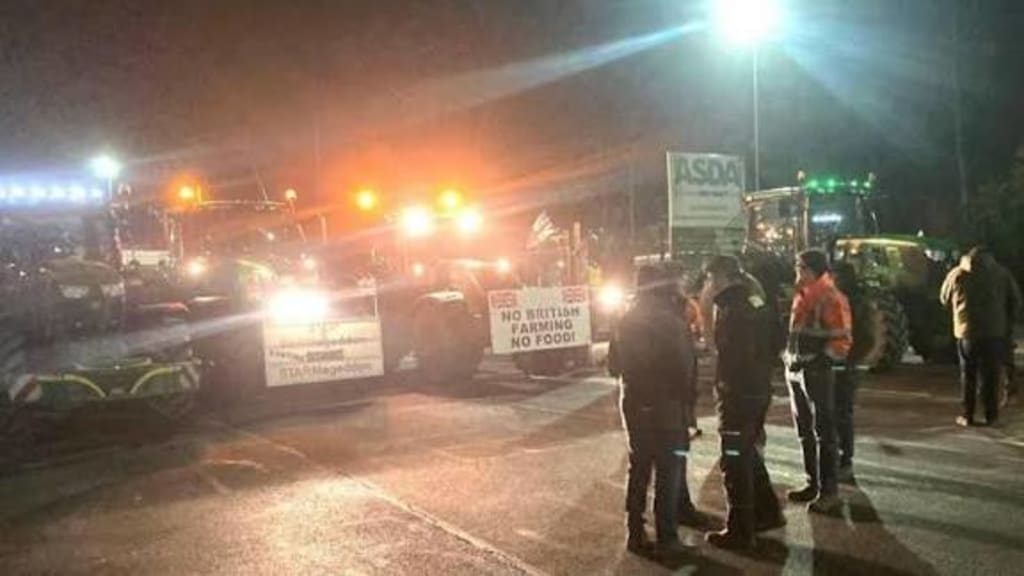
To many people, the idea of blocking food distribution centers sounds cruel and irresponsible. These facilities supply groceries to thousands of families, charities, and local markets. Disrupting them risks harming the very communities already struggling with inflation, unemployment, and food insecurity. Yet for some protesters, these actions are seen as a desperate attempt to be heard in a system they believe no longer listens.
The decision to block such sites does not come lightly. It grows out of frustration, anger, and a belief that traditional protest has failed. For years, activists have marched, petitioned, and written to officials about rising food prices, corporate control of agriculture, and unequal access to basic necessities. Many feel ignored.
“When you block traffic, people complain but forget,” one protester explained. “When you block food supply, suddenly everyone pays attention.”
This logic reflects a deeper belief: that disruption is the only language powerful institutions understand.
A Protest of Desperation
Those who justify these actions often describe them as moral protests rather than criminal ones. They argue that food distribution centers symbolize a system that prioritizes profit over people. Large corporations dominate supply chains, while small farmers and low-income consumers struggle to survive.
For these activists, the blockade is meant to expose contradictions: warehouses filled with food exist alongside families who cannot afford meals. They claim their actions force uncomfortable conversations about inequality and corporate responsibility.
However, this reasoning clashes sharply with public opinion. Many citizens see the protests as punishing ordinary people instead of policymakers. Food bank volunteers and truck drivers are often caught in the middle, unable to do their jobs and sometimes facing verbal abuse or threats.
The Human Cost
Critics argue that such protests cross a moral line. Food distribution is not just another industry; it is part of society’s lifeline. Any disruption can have immediate consequences for hospitals, shelters, and vulnerable populations.
Health workers warn that delays in food delivery can affect elderly residents, children, and patients who depend on regular supplies. Even a short interruption can ripple through the system, causing shortages that take days to fix.
“These actions hurt the wrong people,” said one community organizer. “They don’t hurt politicians. They hurt families.”
This tension between intention and impact is at the heart of the controversy. Protesters may aim to challenge injustice, but the method risks creating new harm.
Protest Versus Public Trust
Another consequence is the erosion of public support. Movements rely on sympathy and shared values. When tactics appear extreme, public trust collapses. Instead of discussing the underlying issues—corporate power, food access, or government policy—the focus shifts to disruption and legality.
Law enforcement has increasingly treated blockades as serious offenses, citing risks to public safety and essential services. Arrests and fines have followed. Courts in several countries have ruled that blocking food supply infrastructure crosses from civil disobedience into endangerment of public welfare.
This legal response reflects a growing belief that some forms of protest must have limits, especially when they interfere with survival needs.
A Crisis of Communication
At its core, the issue reveals a breakdown in communication between citizens and institutions. Protesters feel unheard. Authorities see disorder. Both sides harden their positions.
Sociologists note that extreme protest methods often emerge when people believe peaceful channels are ineffective. History shows similar patterns in labor movements and civil rights struggles. Yet history also shows that movements succeed when they build alliances, not when they isolate themselves from the public.
The challenge is how to protest power without harming the powerless.
Searching for Alternatives
Some activists are now questioning their own strategies. They argue that targeting food systems risks undermining the very justice they seek. Instead, they call for boycotts, mass strikes, or legal challenges that pressure corporations and governments directly.
Others emphasize community-based action—supporting food banks, helping farmers, and creating local supply networks—rather than disrupting existing ones.
“If the goal is food justice,” one former protester said, “then we should be feeding people, not stopping food.”
A Moral Reckoning
The debate over blockading food distribution centers forces a difficult moral reckoning. Is disruption justified if it draws attention to injustice? Or does it become wrong when it threatens basic human needs?
There is no easy answer. What is clear is that society must confront the issues driving such protests: rising inequality, fragile supply chains, and growing mistrust in institutions.
Protest is a powerful tool, but it also carries responsibility. When the line between resistance and harm blurs, movements risk losing their purpose.
The question is not only why people block food centers, but whether such actions truly bring us closer to the justice they claim to seek—or push us further apart.
About the Creator
Fiaz Ahmed
I am Fiaz Ahmed. I am a passionate writer. I love covering trending topics and breaking news. With a sharp eye for what’s happening around the world, and crafts timely and engaging stories that keep readers informed and updated.
Keep reading
More stories from Fiaz Ahmed and writers in Journal and other communities.
World’s Richest People Gain Billions in Just One Week
In an extraordinary turn of events, the world’s richest individuals have seen their fortunes grow by billions of dollars in a single week, sparking debate about the widening wealth gap and the economic factors behind this rapid accumulation of wealth. While millions of people across the globe are grappling with rising costs and economic uncertainty, the ultra-wealthy continue to amass ever-larger fortunes, raising questions about the sustainability of such disparities.
By Fiaz Ahmed a day ago in Journal
How to Spend 3 Days in Trincomalee
Trincomalee remains the understated anchor of Sri Lanka’s northeast coast. Unlike the well-trodden southern beaches, "Trinco" offers a raw collision of maritime history, Chola-dynasty ruins, and world-class marine biodiversity. This three-day guide balances the town’s spiritual heritage with its wild, deep-water adventures.
By Jeewanthi Armstronga day ago in Journal



Comments
There are no comments for this story
Be the first to respond and start the conversation.