
How to Spend 3 Days in Trincomalee
A Balanced Coastal Itinerary

Trincomalee remains the understated anchor of Sri Lanka’s northeast coast. Unlike the well-trodden southern beaches, "Trinco" offers a raw collision of maritime history, Chola-dynasty ruins, and world-class marine biodiversity. This three-day guide balances the town’s spiritual heritage with its wild, deep-water adventures.
Day 1: Colonial Forts and Sacred Cliffs
Begin your morning within the stone ramparts of Fort Frederick. Originally a Portuguese fortification, the grounds now serve as a quiet sanctuary where spotted deer graze beneath century-old trees. Follow the ascending path to the edge of the promontory to find Koneswaram Temple.
Perched over the "Lovers Leap" precipice, this Hindu site is a sensory whirlwind of heavy jasmine incense and rhythmic puja bells. The panoramic views of the natural harbour from this vantage point are unrivalled. It is a site of profound religious significance that manages to feel intimate despite its monumental scale.
Selecting a Coastal Base
Strategic positioning is key to navigating the region effectively. Most high-end Trincomalee hotels are clustered around the twin stretches of Uppuveli and Nilaveli. For those seeking immediate beach access, staying on the shoreline allows you to bypass the midday heat. Whether you opt for a sleek, contemporary resort or a boutique thatched-roof lodge, being within earshot of the Indian Ocean swell defines the Trinco experience.
Day 2: The Deep Blue and Coral Sanctuaries
Dedication to the ocean is the theme for day two. This coastline is a global hotspot for blue whales and acrobatic spinner dolphins. For a technically superior experience, book a marine mammal safari through a hotel like Trinco Blu by Cinnamon. Their naturalists provide a professional edge to wildlife sightings, ensuring the encounters are ethical and informative.
By afternoon, pivot to the shallows of Pigeon Island National Park. A short boat ride brings you to one of the country's best-preserved reef systems. Drift over thickets of staghorn coral where you are almost guaranteed to encounter blacktip reef sharks and sea turtles navigating the crystalline waters.
The Contrast of Nilaveli and Uppuveli
After returning to shore, decompress on the sand. Nilaveli is the region’s quietest retreat, defined by wide, bleached-white sands and a glassy, predictable tide. Conversely, Uppuveli pulses with a social energy, dotted with beach shacks and local fishermen hauling in their daily "ma-del" nets. Grab a chilled king coconut and observe the slow, rhythmic pace of the local fishing economy: it is the authentic soul of the town.
Day 3: Volcanic Springs and Market Life
On your final day, head inland to the Kanniya Hot Springs. These seven ancient stone wells offer a fascinating look at local tradition; the water temperatures vary from well to well, and dousing yourself with buckets of this sulphurous, mineral-rich water is a local ritual believed to have healing properties.
Continue your cultural immersion at the central markets. This is where the town’s multicultural identity is most visible. It’s a fast-paced environment perfect for sourcing dried chillies, fresh palmyra fruit, or locally woven crafts, offering a sharp, vibrant contrast to the stillness of the beaches.
Sunset Fare and Coastal Cuisine
Conclude your journey with a focus on the region’s culinary strengths. Trincomalee’s seafood is legendary, particularly the lagoon crabs and tiger prawns. Settle into a beachside table in Uppuveli as the sky shifts to shades of bruised purple and ochre. A dinner of spicy fish curry accompanied by the sound of the evening tide is the definitive way to wrap up a three-day stint in this resilient coastal outpost.
Beyond the main resorts, the smaller backstreet kitchens offer a more nuanced taste of the region. Try the Jaffna-style crab curry, known for its deep, earthy spices and hit of drumstick leaves, which perfectly illustrates the town's unique culinary heritage. This blend of Tamil and Sinhalese cooking techniques creates a flavour profile you won't easily find in the southern provinces.
About the Creator
Keep reading
More stories from Jeewanthi Armstrong and writers in Journal and other communities.
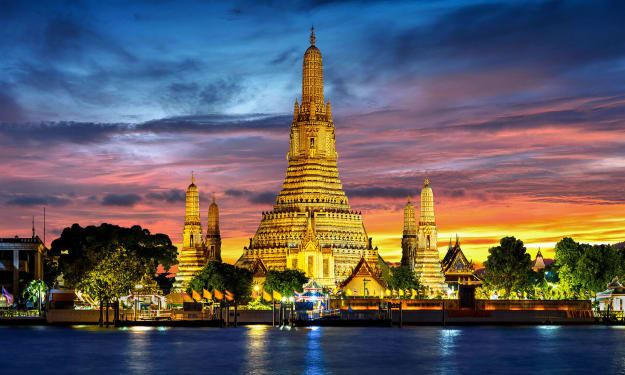
How to visit sacred sites in Bangkok
When you think of Bangkok, what comes to mind is a vibrant destination with plenty of modern experiences. The top things to do there include shopping and dining experiences. However, the City of Angels has more in store for its visitors. Picture towering buildings adorning ancient designs enveloped in a natural setting within an urban environment. This is how you would witness the impressive temples in Bangkok. Here is a guide to explore them.
By Jeewanthi Armstrong20 days ago in Journal
The Moment I Realized Air Quality Was Affecting My Mood
For a long time, I thought my mood changes were personal. If I felt impatient, distracted, or oddly tense, I assumed it was stress. Too much work. Not enough rest. A bad night of sleep. I tried to fix it the usual ways. More coffee. Short walks. Mental resets. Deep breaths.
By illumipure2 days ago in Journal


Comments
There are no comments for this story
Be the first to respond and start the conversation.