
Why EndZone Is a Leading Solution in Grain Bin Fan Control
Smarter Grain Preservation in Iowa: How the EndZone Fan Control System Protects Your Corn and Prevents Grain Loss
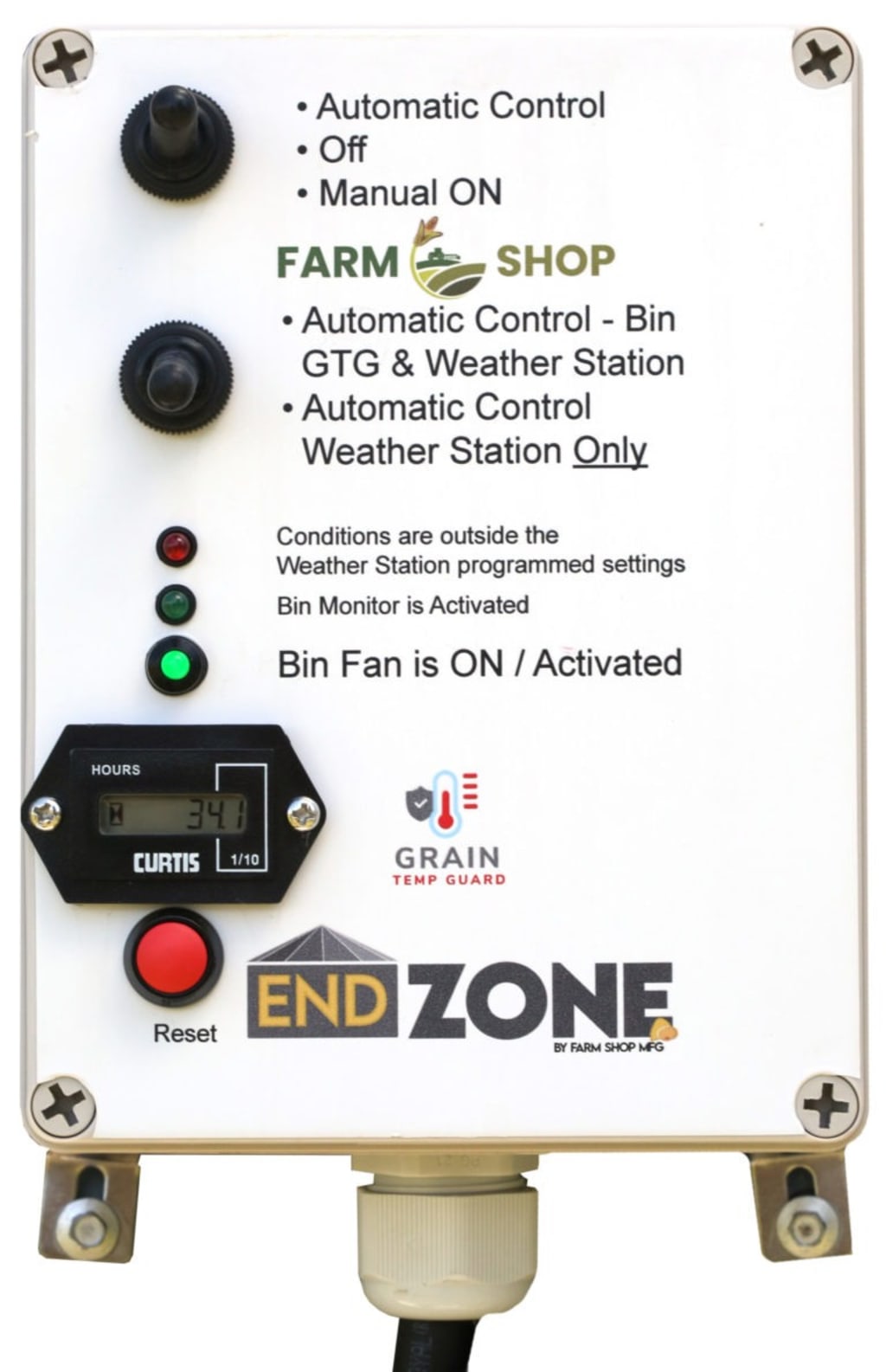
Grain storage is more than just loading bins and turning on fans. Successful preservation of grain requires thoughtful control over temperature and humidity conditions. This is where the EndZone fan control system becomes an essential piece of technology. Designed to automate grain bin fan operation using external inputs like temperature, humidity, and grain temperature alarms, this system offers precision.
Whether used for natural air drying or automatic fan activation in hotspot prevention, the EndZone system is ideal for farmers who need reliable control and smart automation.
Here’s how EndZone for Corn in Iowa can preserve quality and prevent grain loss:
What Is the EndZone Fan Controller?
EndZone is a grain bin fan controller designed to operate fans based on carefully selected external parameters. Instead of leaving fans on continuously or relying on manual oversight, this system evaluates outdoor conditions and makes decisions automatically.
It uses multiple weather-related inputs, including:
●Outdoor temperature between two set points (a high and a low)
●Outdoor relative humidity between a chosen high and low range
●Optional input from a Grain Temp Guard alarm that signals when grain temperature is outside safe levels
The system helps optimize air movement inside the bin without introducing moisture or causing excessive drying. It supports full automation, but also allows manual operation when needed.
How Does Temperature and Humidity Control Work?
One of the core features of EndZone is its ability to gate fan operation based on outdoor conditions. Users can define a low and high limit for both temperature and humidity. Fans will only run if both parameters fall within the allowed range.
For example, if the outdoor air is too cold, fans will stay off to avoid cooling the grain below optimal temperatures. Similarly, if humidity is too high, fan operation will be restricted to avoid adding moisture to the grain. This control ensures that ventilation takes place only when it can benefit the stored product.
Integration with Grain Temp Guard Alarm
EndZone is also compatible with the Grain Temp Guard system, which monitors internal grain temperatures. If the alarm from the Grain Temp Guard is triggered, EndZone can automatically activate the fan. This only happens when the external air conditions also fall within the preset temperature and humidity range.
This ensures that action is taken immediately to address internal hotspots, while still protecting the grain from harm due to poor weather conditions. The system also gives the option to keep the external alarm active or to silence it once the fan has been activated.
This layered system of checks and triggers adds a valuable safety net for operators, especially during peak storage periods.
Best Use Cases: Natural Air Drying and Hotspot Response
The strongest need for a system like EndZone lies in two key areas: natural air drying and hotspot control.
Natural Air Drying
Drying grain using natural air is a cost-effective approach, but it requires precise control. If air is too dry, grain at the bottom of the bin can lose moisture too quickly. If air is too humid, the grain may reabsorb moisture or delay drying.
With EndZone, fans only run when the conditions are just right. This reduces the risk of over drying grain, especially at the bottom of the bin. The system ensures that airflow is provided when it can help and paused when it may do more harm than good.
Those managing grain with the End Zone for Corn understand the importance of precision, since corn is prone to over drying and even small moisture losses can translate into large economic setbacks.
Hotspot Detection and Control
Grain hotspots are areas within the bin where heat and moisture build up, often leading to spoilage. These areas can develop silently over time, putting large volumes of grain at risk.
When paired with a Grain Temp Guard, EndZone detects these issues early. Once the alarm is triggered, it activates the fan to improve airflow and lower the temperature in the hotspot. This automatic response can prevent spoilage without requiring manual intervention.
Benefits in Long-Term Storage
EndZone not only improves drying efficiency but also supports grain preservation during long-term storage. Grain bins may sit idle for weeks, but internal conditions can change quickly. EndZone allows for proactive control, ensuring that ventilation only occurs under safe, effective conditions.
This can be particularly helpful for operators managing multiple bins or large storage systems. By automating fan control based on weather and grain condition, EndZone reduces the risk of spoilage, lowers energy usage, and maintains grain quality without continuous supervision.
Why EndZone Is a Smart Investment
When evaluating farm equipment for sale, farmers often look for tools that deliver long-term value. EndZone offers this through reduced spoilage, better moisture control, and labor savings.
By running fans only when outside conditions are favorable and grain condition demands it, this system offers a precise and efficient approach to grain management. Whether used for corn, soybeans, or other crops, it helps maintain optimal storage environments from harvest to market.
Final Thoughts
Grain storage requires more than good intentions. Without accurate control, even the best bins can lead to losses. EndZone offers a smarter, more reliable method to manage airflow, protect grain quality, and avoid costly mistakes.
By automating fan control using both environmental conditions and internal grain alarms, the system makes it easier to store grain safely and efficiently.
Take control of your grain storage. Explore how EndZone can support safer drying, smarter airflow, and better quality preservation.
Disclaimer: For the most accurate and up-to-date details, refer to the official website. Consult the original documentation or a qualified technician before making any operational or purchasing decisions.
About the Creator
Keep reading
More stories from Jacob messy and writers in Journal and other communities.
Break Even in 170 Acres or Less with the Germinator Closing Wheel System
Farm profitability often comes down to efficiency during planting season. Farmers know that getting seeds into the ground is only part of the battle—ensuring proper seed-to-soil contact makes the difference between average yields and exceptional ones. Many growers are finding that the best planter closing wheels, especially when combined with proven tools like the Germinator closing wheel, deliver faster payback than nearly any other planting upgrade. In fact, with industry data projecting a break-even point in 170 acres or less, these innovations make sense for every budget-conscious operator looking to stretch returns.
By Jacob messy4 months ago in Journal
📢 Raise Your Voice Thread: 01/22/2026
Our “Raise Your Voice Threads” are hosted most alternating Thursdays at 12PM ET to offer creators more avenues to uncover exceptional stories on Vocal. As we are continuously searching for fresh creators and inspiring stories, this thread provides an opportunity to exchange and discuss the stories that have moved and motivated us on Vocal.
By Raise Your Voice by Vocal2 days ago in Resources



Comments
There are no comments for this story
Be the first to respond and start the conversation.