
Avoid These Mistakes When Buying a Ball Head Tripod
Avoid These Mistakes When Buying a Ball Head Tripod
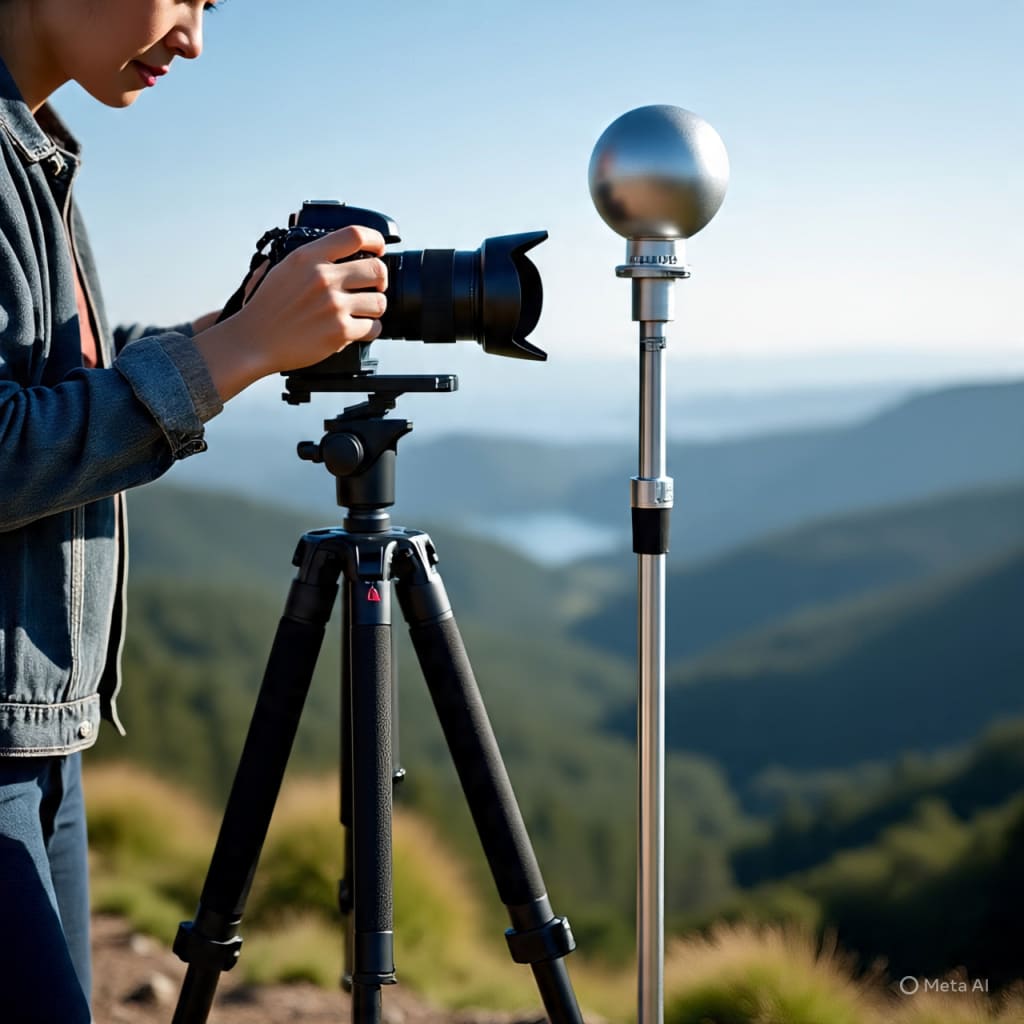
The golden hour light was perfect, the scene composed beautifully in the viewfinder, but as soon as the filmmaker pressed record, a subtle wobble rippled through the frame. Despite careful setup, the tripod's ball head had shifted ever so slightly under the camera's weight, rendering the entire take unusable. This frustrating scenario plays out countless times for content creators who discover too late that their tripod purchase was based on the wrong priorities.
Many filmmakers and photographers, especially those building their first professional kit or upgrading for travel work, make critical errors when selecting a ball head tripod. These mistakes lead not only to wasted money but also to compromised stability during crucial shoots, missed opportunities, and the need to purchase replacement gear far sooner than expected.
This guide will walk you through the four most common purchasing pitfalls that plague filmmakers seeking lightweight, stable gear for video production and travel. By understanding these mistakes before you buy, you'll be equipped to choose a tripod system that delivers the rock-solid stability your work demands without sacrificing portability or breaking your budget on features you don't actually need.
Mistake 1: Prioritizing Price Over Core Stability
The most damaging error filmmakers make is gravitating toward budget-friendly ball heads without scrutinizing their fundamental stability characteristics. A bargain-priced head might seem adequate when first mounted, but the moment you attach your cinema camera with a telephoto lens, the weaknesses reveal themselves. Cheap ball mechanisms lack the precision machining needed to maintain position under load, resulting in gradual drift during long exposures or video takes. The locking knobs on inferior models often require excessive force to secure, yet still allow micro-movements that translate directly into unusable footage—those subtle vibrations that plague handheld-looking shots despite being tripod-mounted.
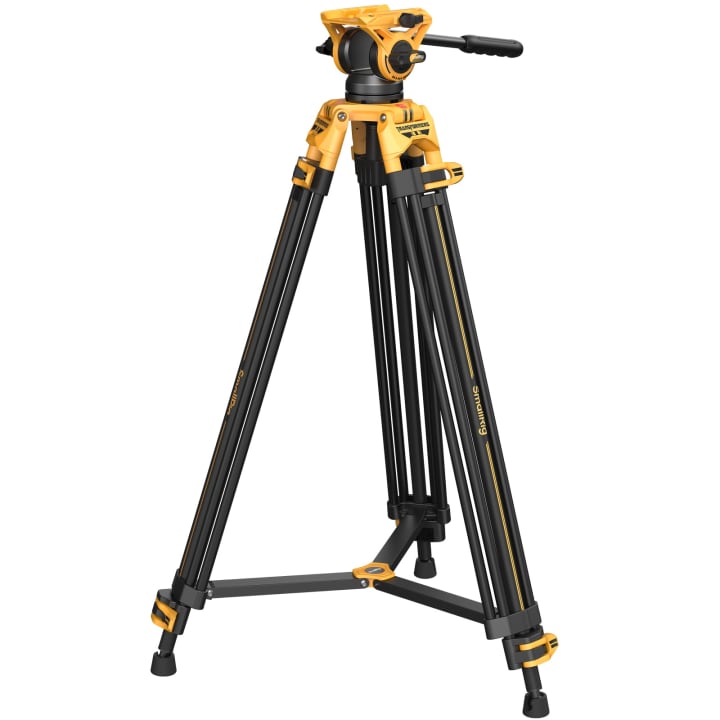
Solution: How to Assess True Stability
Begin by calculating your maximum payload honestly: add your heaviest camera body, longest lens, any monitor or audio equipment, and then multiply that total by 1.5. This safety margin accounts for the dynamic forces created when adjusting composition or when wind hits your setup. Purchase a ball head rated to exceed this figure comfortably. Next, examine the ball itself—quality heads use machined aluminum or magnesium alloy balls rather than cast materials, which you can verify by checking manufacturer specifications and reading whether they mention CNC machining. The locking mechanism deserves equal attention: premium designs employ dual-locking systems that independently control friction and final lock-down, preventing the sudden slips that occur when a single knob tries to manage both functions. Test the head in-store if possible by mounting weight equivalent to your gear and positioning it at extreme angles—a reliable head maintains position without creep for at least sixty seconds when partially locked.
Mistake 2: Ignoring the Tripod Legs: Material and Design
Even the most sophisticated ball head becomes worthless when mounted on inadequate legs. Filmmakers routinely fixate on the head's specifications while treating the tripod legs as an afterthought, only to discover that their entire system vibrates in mild wind or takes forever to set up on location. The legs form the literal foundation of your stability system, and their material composition directly determines whether vibrations from camera shutters, mirror slaps, or environmental factors get transmitted to your sensor or dampened before they ruin your shot. Poor leg design also sabotages portability—a supposedly travel-friendly tripod that won't fit in your luggage or takes three minutes to deploy means you'll leave it behind when you need it most.
The Carbon Fiber Tripod Advantage
Carbon fiber legs solve the filmmaker's fundamental dilemma of needing both stability and portability. Unlike aluminum, carbon fiber's molecular structure absorbs vibrations rather than conducting them, which means the micro-tremors from pressing record or from passing traffic dissipate in the leg tubes instead of reaching your camera. This damping effect becomes critical when shooting at longer focal lengths or capturing time-sensitive moments where reshoots aren't possible. The weight difference matters more than spec sheets suggest—shaving two pounds from your tripod means the difference between carrying your full kit for an eight-hour shoot or leaving stabilization gear in the vehicle. Carbon fiber maintains strength-to-weight ratios that let manufacturers build legs thin enough to fold compactly yet rigid enough to support cinema cameras. For content creators who split time between controlled environments and unpredictable field locations, carbon fiber legs provide consistent performance across temperature extremes without the thermal expansion issues that affect aluminum during dawn-to-dusk shoots.
Why a Compact Travel Tripod Design Matters
Leg design determines whether your tripod actually travels with you or stays home gathering dust. The folded length must fit your primary transport method—measure your carry-on luggage or backpack before shopping, as legs that extend two inches too long will force you to check bags or leave the tripod behind entirely. Four or five leg sections fold shorter but take longer to extend and introduce more potential flex points; three-section designs deploy faster and offer greater rigidity but fold longer. Evaluate this trade-off based on your typical workflow: studio shooters benefit from quick-deploying three-section legs, while adventure filmmakers hiking to remote locations need the compact fold of five sections despite slower setup. Leg angle adjustments provide stability on uneven terrain—quality designs offer at least three preset angles that lock securely without fumbling with individual leg locks. Look for independent leg movement rather than systems that adjust all legs simultaneously, as this flexibility lets you position one leg in a stream while the others rest on rocks. The center column's ability to remove or invert expands your shooting angles dramatically, enabling ground-level macro work or overhead shots that would otherwise require additional grip equipment.
Mistake 3: Overlooking the Head Type for Your Workflow
Filmmakers frequently purchase ball heads based on recommendations from photography forums without considering that their workflow demands fundamentally different functionality. Ball heads excel at locking a camera into a single position quickly, which serves still photographers perfectly when capturing static compositions. However, video production requires continuous motion—smooth pans across landscapes, controlled tilts following action, and seamless adjustments during recording. A ball head's single locking point creates an all-or-nothing scenario: either the head is completely locked and immobile, or it's loose enough to move but without any resistance control. This binary operation makes intentional, smooth camera movements nearly impossible, forcing filmmakers to either shoot entirely static footage or accept the jerky, amateur-looking movements that result from trying to pan with a loosened ball head.
Ball Head vs. Fluid Head Tripod for Filmmakers
The distinction between these head types determines whether your footage looks professional or homemade. Ball heads offer speed and versatility for repositioning—you can adjust your camera to any angle in seconds, making them ideal for fast-paced photography or quick establishing shots where the camera remains stationary during recording. Their compact size and lighter weight also benefit travel shooters who primarily capture locked-off shots or time-lapses. However, the moment you need to follow a subject or create any intentional movement during a take, ball heads fail completely. Fluid heads, by contrast, incorporate viscous fluid chambers that provide consistent drag throughout pan and tilt movements. This drag is independently adjustable, letting you dial in the exact resistance needed for your camera's weight and your desired movement speed. A properly adjusted fluid head allows you to execute a smooth 180-degree pan at a consistent speed, or tilt from ground to sky without acceleration or deceleration artifacts. The trade-off comes in weight, size, and setup time—fluid heads add one to three pounds and require initial balancing and drag adjustment. For filmmakers whose primary output is video content, this investment pays dividends in every frame. Choose a ball head only if 90% of your shots are static and you occasionally need fast repositioning between takes. Select a fluid head if you regularly perform camera movements during recording, shoot interviews requiring subtle reframing, or produce any content where smooth motion contributes to production value. If your work splits evenly between stills and video, consider a modular system where you can swap heads on the same leg set, though this adds cost and complexity to your kit.
Mistake 4: Sacntial Features for a Lightweight Tripodrificing Esse
The obsession with shaving ounces leads filmmakers to purchase ultra-minimalist tripods that omit features they'll desperately need in the field. A tripod that weighs twelve ounces less than the competition seems like a triumph until you're on a windswept hillside with no way to add stabilizing weight, or you need a low-angle shot but the center column won't adjust. Manufacturers market "travel" tripods by stripping away elements they deem non-essential, but these decisions are made for photographers shooting in controlled conditions, not filmmakers working through unpredictable scenarios where adaptability determines whether you capture the shot or pack up defeated.
Before committing to an ultra-light model, verify it includes these non-negotiable features. A removable or invertible center column transforms your tripod from a single-height tool into a versatile platform—flipping the column lets you position the camera inches from the ground for dramatic low angles, while removal reduces height and weight for backpacking shoots. A hook or weight shelf on the center column's base provides emergency stabilization when wind threatens your setup; hanging your camera bag adds several pounds of dampening mass exactly where it's most effective. Independent leg angle locks with at least three preset positions enable stable setup on stairs, slopes, and uneven terrain without compromising individual leg strength. Rubber feet with retractable spikes adapt to both indoor studio floors and outdoor soil or snow. Quick-release plates that are Arca-Swiss compatible ensure your tripod works with other support gear rather than trapping you in a proprietary system—many manufacturers like SmallRig design their mounting solutions around this universal standard, which simplifies building a cohesive kit across different accessories. A bubble level built into the head or legs eliminates the need to check your camera's digital level and speeds up setup. Finally, verify that all locking mechanisms—leg locks, center column lock, and head locks—can be operated with gloved hands, as cold-weather shoots reveal how many designs require bare fingers to grip small knobs. Choose the lightest tripod that retains all these features rather than the absolute lightest model that forces compromises you'll regret on location.
Making the Right Tripod Investment
The four mistakes outlined here—prioritizing price over stability, ignoring leg material and design, choosing the wrong head type for your workflow, and sacrificing essential features to chase minimal weight—account for the majority of tripod purchase regrets among filmmakers. Each error stems from focusing on a single attractive attribute while overlooking how that choice compromises the fundamental purpose of a tripod: providing unwavering stability for your camera during critical moments. A ball head that costs half as much but drifts during takes wastes far more money than investing properly from the start. Legs that weigh less but transmit vibrations undermine even the finest camera sensors. A head type optimized for photography leaves video shooters struggling with jerky movements that scream amateur production.
The right tripod system represents an investment in your craft's technical foundation, directly impacting whether clients accept your footage or audiences stay engaged with your content. For filmmakers building reliable kits for travel and professional video production, stability and functionality must drive every specification decision. Use this guide as your pre-purchase checklist: calculate your true payload needs with safety margin, verify carbon fiber legs if portability matters, honestly assess whether your work demands fluid head smoothness, and confirm that weight-saving measures haven't eliminated the features you'll desperately need on location. Armed with this knowledge, you can confidently select a tripod system that serves your work for years rather than months, capturing rock-solid footage regardless of conditions while remaining practical enough to actually bring along on every shoot.
About the Creator
Why FRP Grating Is Quietly Replacing Steel
For decades, the sound of industry was unmistakable—steel platforms echoing beneath heavy boots, sparks flying during maintenance work, and rust slowly claiming structures that once symbolized strength. Factories accepted deterioration as inevitable. Corrosion was simply part of doing business. But step into a newly upgraded industrial plant today, and something feels different.
By efingutthomas7 days ago in Journal


Comments
There are no comments for this story
Be the first to respond and start the conversation.