
When the Clocks Changed: How Time Still Shapes Our Lives
How a Simple Hour Shift Still Impacts Our Sleep, Health, and Daily Life Around the World

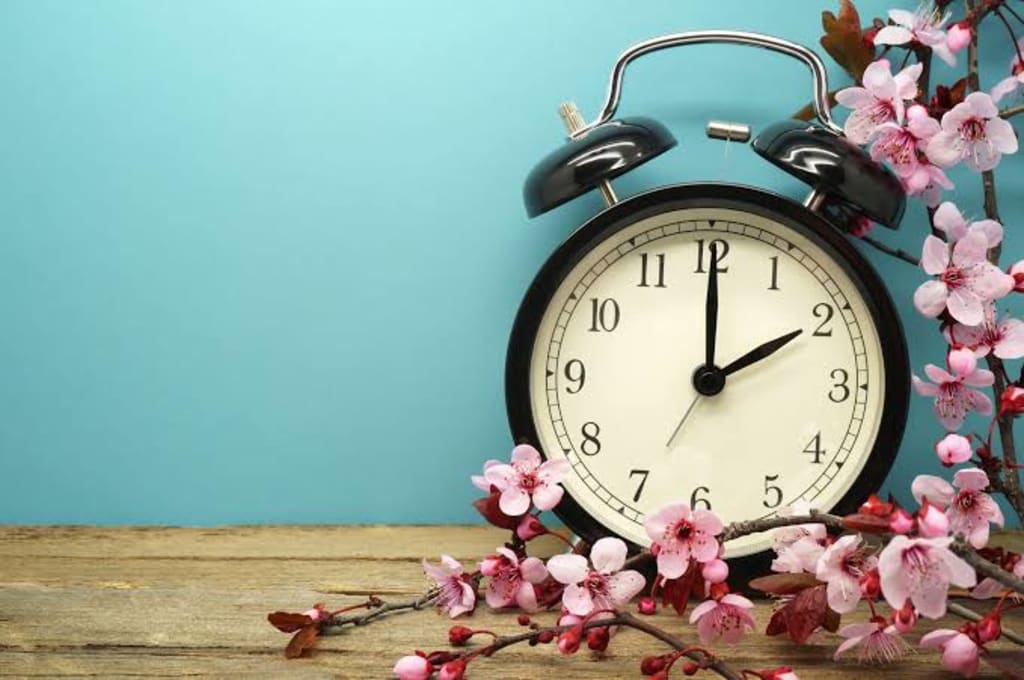
Every year, twice a year, people in many countries around the world experience the same small confusion — the clocks change. Whether it’s springing forward or falling back, the simple act of adjusting our clocks has a surprisingly deep effect on our lives, our routines, and even our health. But why do we still change the clocks? And is it time to stop?
---
A Brief History of Changing Time
The tradition of changing clocks — known as Daylight Saving Time (DST) — dates back to the early 20th century. The idea was simple: if people shifted their clocks forward in spring, they could make better use of natural daylight and save energy. It was first used widely during World War I and again in World War II, when every bit of saved electricity mattered.
After the wars, many countries kept the system. In theory, it helped farmers, office workers, and businesses take advantage of longer daylight hours. But over time, the world changed — and so did our reasons for keeping DST.
Today, not everyone agrees that moving the clock forward or backward still makes sense. Technology has changed the way we use energy, and flexible work schedules have made the idea of strict daylight hours less important.
---
Spring Forward, Fall Back — The Twice-Yearly Routine
When we “spring forward,” we set our clocks one hour ahead, usually in March or April. This means we lose an hour of sleep but gain longer evenings with more daylight. In autumn, we “fall back” — setting the clocks one hour earlier, regaining that lost hour but losing light in the evenings.
While it seems harmless, the change can throw off our body clocks — or our circadian rhythm — which controls our sleep patterns and daily energy levels. Research shows that the week after the spring clock change often sees an increase in tiredness, car accidents, and even heart attacks. It’s proof that even a single hour can make a big difference in human biology.
---
Modern Debates: Do We Still Need It?
In recent years, many governments have debated whether to end clock changes altogether. In Europe, the idea of abolishing Daylight Saving Time has been discussed several times. Some countries argue that it’s outdated and unnecessary in modern life.
In the United States, several states — including Florida and California — have proposed sticking to “permanent daylight time,” meaning the clocks would stay the same all year. Supporters say it would reduce confusion and improve mental health, especially during the dark winter months.
However, opponents argue that darker mornings in winter could be unsafe for schoolchildren and early commuters. So, the debate continues — and every year, people find themselves asking the same question: Why are we still changing the clocks?
---
How It Affects Our Daily Lives
The clock change doesn’t just alter our sleep; it shifts our entire rhythm. People who work early mornings often find it harder to wake up in the first week after the time change. Those who enjoy evening activities — jogging, cycling, or social events — may love the extra daylight in summer.
Businesses also notice the difference. Retail stores and restaurants tend to see more customers when it stays light longer, while energy use patterns change as households rely less on artificial light. In some countries, electricity demand can drop slightly after the spring forward.
But for others, the change is frustrating. Parents with small children often struggle to get them to sleep at the new bedtime. And for people with sleep disorders, even one lost hour can take days to recover from.
---
The Global Picture
Not all countries participate in clock changes. Many regions near the equator — where daylight hours don’t vary much — see no need for it. Others, like Japan, India, and most of Africa, have never observed DST at all.
Even among those that do, the start and end dates differ. For example, the United States and Canada change their clocks on different weekends than Europe, causing brief confusion for travelers and international meetings.
In 2025, for instance, Europe will set its clocks back one week after the U.S., meaning there’s a short period when time zones temporarily shift by an hour. For businesses and online events, that small detail can make a big difference.
---
A World Ready for a Time Revolution
As digital devices automatically update the time, many people don’t even notice the change anymore — until their sleep feels off. Smartphones, computers, and even cars adjust themselves, making the old routine of turning back a clock almost nostalgic.
Still, the emotional and physical effects remain. The twice-yearly switch has become more symbolic than practical — a reminder that time, as simple as it seems, is something humans have always tried to control.
Whether or not the world eventually stops changing the clocks, one thing is clear: our relationship with time keeps evolving. And in the end, maybe that’s the real lesson behind it all — that time doesn’t just move forward or back. It moves with us.
About the Creator
Fiaz Ahmed
I am Fiaz Ahmed. I am a passionate writer. I love covering trending topics and breaking news. With a sharp eye for what’s happening around the world, and crafts timely and engaging stories that keep readers informed and updated.
Keep reading
More stories from Fiaz Ahmed and writers in Journal and other communities.
Bukarest: The Vibrant Heart of Romania
When you think of Eastern Europe, Bukarest — the capital of Romania — often comes to mind. Known for its mix of history, culture, and modern urban life, Bukarest is a city that surprises and fascinates visitors. From its grand boulevards and historic landmarks to its thriving nightlife and arts scene, the city has something to offer for everyone.
By Fiaz Ahmed 4 months ago in Journal
How China’s Eyewear Supply Chain Fuels Lucrative D2C Brands
Two weeks ago, a European client came to us. They wanted to launch a line of eyewear including optional non-prescription or light reading lenses, sunglasses for cycling, fishing, skiing, and running, along with a few related accessories. They wanted product performance close to well-known brands like Oakley or Smith Optics, but at a much more competitive price.
By Jingsourcing.com a day ago in Journal
Review of 'Man on the Run'
My wife and I saw Man on the Run, a nearly 2-hour documentary on Amazon Prime, about Wings, Paul McCartney's group that flew around the world from shortly after The Beatles broke up in early 1970 to shortly after John Lennon was murdered at the end of 1980, making a Beatles reunion forever impossible.
By Paul Levinson6 days ago in Beat




Comments
There are no comments for this story
Be the first to respond and start the conversation.