
What Will a Construction Site Look Like in 2030?
What Contractors and Engineers Should Expect by 2030

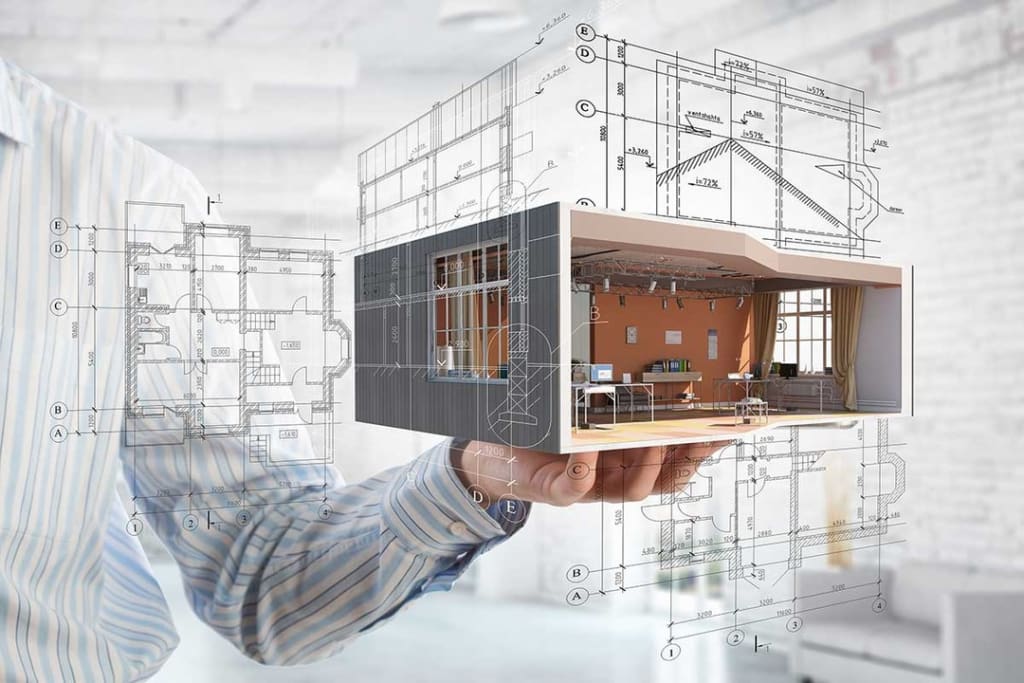
By 2030, the construction industry will likely bear little resemblance to the traditional job sites we see today. Rapid advances in automation, data analytics, artificial intelligence (AI), and sustainable materials are reshaping how construction is planned and executed. These changes are not just about new tools, they’re about fundamentally transforming workflows, improving accuracy, and increasing productivity.
Automation and Robotics on Site
One of the most significant changes by 2030 will be the widespread adoption of automation on construction sites. Autonomous machinery, such as self-driving excavators, robotic bricklayers, and automated concrete pouring systems, will reduce manual labor needs and speed up completion timelines. These machines will be equipped with sensors and AI to perform complex tasks with greater efficiency and fewer errors.
The goal is not to replace workers but to enhance their capabilities. Operators will increasingly supervise fleets of machines remotely, focusing on oversight rather than direct physical labor. This shift will improve safety and reduce the risk of injury in hazardous environments.
Smarter Project Planning Through AI
Artificial intelligence will become the backbone of pre-construction and project management processes. AI-powered platforms will analyze historical project data, weather trends, material costs, and labor availability to help teams forecast outcomes and mitigate risks. As a result, companies can make faster, more informed decisions during planning phases.
Once reliant on manual inputs and spreadsheets, accurate construction estimates from the Pro Estimating Services will evolve into automated systems that provide real-time cost forecasting. These tools will integrate with digital blueprints and scheduling platforms, updating costs as project variables shift. This will help contractors maintain tighter control over budgets and reduce costly overruns.
Evolution of Takeoff and Estimating Processes
Another key advancement will be in the way quantities and costs are calculated. Construction quantity takeoff services rely heavily on digital models and cloud-based platforms that sync with architectural plans. As building information modeling (BIM) becomes more detailed and standardized, quantity takeoffs will be generated instantly and updated as project specifications evolve.
Firms that once depended on time-consuming, manual processes for measurement and calculation will transition to AI-enhanced takeoff systems that reduce human error and increase efficiency. This shift will not only speed up the bidding process but also improve the accuracy of procurement and scheduling.
Integrated Smart Materials and IoT
By 2030, smart construction materials will become more prevalent. Self-healing concrete, temperature-sensitive insulation, and sensors embedded within structural elements will offer real-time data about a building’s condition. These innovations will assist with preventative maintenance and long-term structural health monitoring.
IoT (Internet of Things) will connect every part of the job site, from tools and vehicles to safety gear and building components. Site managers will have access to dashboards that track equipment usage, worker location, material delivery, and environmental conditions. This level of integration will help streamline coordination and enhance safety compliance.
Sustainability Will Be Standard
Environmental responsibility will no longer be optional. With stricter regulations and growing demand for eco-friendly construction, job sites in 2030 will incorporate sustainable practices by default. This includes the use of renewable materials, energy-efficient machinery, water-saving systems, and waste reduction programs.
Modular construction and prefabrication, methods that reduce waste and shorten construction times, will also become more common. Buildings will increasingly be assembled off-site in controlled environments and then delivered for final installation, further improving efficiency and quality.
A More Skilled and Tech-Driven Workforce
As tools and technologies evolve, so too must the workforce. Future construction professionals will need a combination of technical, analytical, and management skills. Familiarity with software platforms, drones, BIM, and automated equipment will be essential.
Training programs and certifications will adapt to this demand, focusing more on digital literacy, data interpretation, and system integration. While physical labor will still play a role, many positions will shift toward supervisory, engineering, and data-centric functions.
Conclusion
The construction site of 2030 will be smarter, safer, and more connected than ever before. Automation, AI, real-time estimation, and sustainable practices will work together to reduce delays, lower costs, and improve project outcomes. Companies that embrace these changes early will gain a competitive edge, offering clients not just buildings, but intelligent, efficient, and future-ready solutions.
The future is already being built, just with different tools.
About the Creator
Keep reading
More stories from Cullen Johns and writers in Journal and other communities.
Finding the Best Child Daycare Near Me: A Parent’s Guide to Local Care
If you’re a parent searching for a reliable and nurturing child daycare near me, you’re not alone. Thousands of families each year look for the perfect place where their children can learn, play, and thrive while they manage work or personal responsibilities. The good news? There are excellent daycare options right in your neighborhood—you just need to know what to look for.
By Cullen Johns9 months ago in Journal
The goals I did not achieve
Every writing goal I made for the year is a wash. It has been this way for a while, but I think it's important to be open about my failures and the reality of how life can get in the way. This is especially true considering the several times I have posted on Vocal about my writing goals, how I was changing my approach, and where I was hoping to be for the upcoming year. I will probably do that again in a couple months, but for now, it is time to acknowledge where I am today.
By Kay Husnick21 days ago in Journal


Comments
There are no comments for this story
Be the first to respond and start the conversation.