
What Size Axe Do You Need for Camping: Complete Guide
What Size Axe Do You Need for Camping: Complete Guide
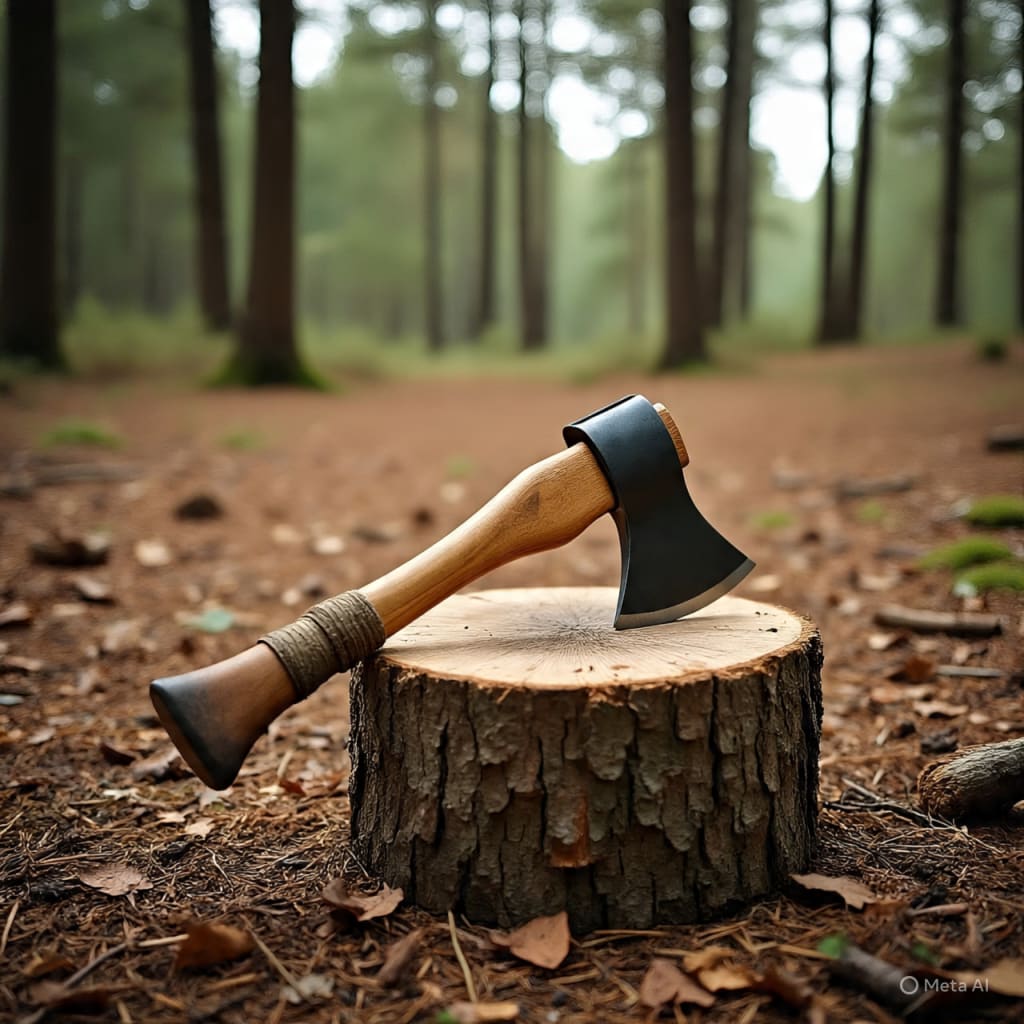
What Size Axe Do You Need for Camping: Complete Selection Guide
Selecting the right axe size transforms camping firewood preparation from frustrating struggle into efficient routine. Understanding what size axe do you need for camping requires balancing cutting power, portability, and intended use. This comprehensive guide examines axe sizing fundamentals, popular size categories, and selection criteria helping campers choose optimal tools matching their camping style, physical capabilities, and typical firewood needs.
Understanding Axe Size Measurements
Axe sizing involves multiple specifications working together determining overall tool performance. What size axe do you need for camping starts with understanding how handle length and head weight affect functionality and user experience.
Handle Length Fundamentals
Handle length, measured from axe head to handle end, represents the primary size specification. Camping axes range from compact 12-inch hatchets to substantial 28-inch felling axes. Handle length directly affects leverage and striking power—longer handles generate more force but reduce portability and control in tight spaces.
The relationship between handle length and cutting efficiency follows physics principles. Each additional inch of handle provides incremental leverage advantage translating into greater splitting force. However, this advantage diminishes in confined camping environments where overhead clearance or surrounding vegetation restricts full swing arcs.
Head Weight Considerations
Axe head weight, measured in pounds or ounces, determines cutting momentum and user fatigue. Camping axe heads typically range from 1 to 3.5 pounds. Heavier heads deliver more powerful strikes requiring fewer swings for splitting logs, while lighter heads reduce fatigue during extended use and transportation.
The optimal head weight balances power with sustainability. A 2.5-pound head generates adequate force for most camping firewood while remaining manageable during hour-long processing sessions. Heavier heads quickly exhaust users lacking experience or upper body strength, particularly at elevation where reduced oxygen increases fatigue.
Total Weight and Balance
Complete axe weight combining handle and head affects portability and swing characteristics. Well-designed camping axes position balance points forward of center, creating natural momentum assisting swing motion without requiring excessive effort. This ergonomic balance becomes crucial during extended use when poor designs cause cumulative fatigue.
Test balance by holding axes at handle midpoints. Quality axes feel slightly head-heavy without tipping excessively. This forward bias helps gravity assisting downward swings while maintaining controllability during positioning and adjustment.
Hatchet Size: 12-16 Inches
Compact hatchets represent the smallest practical camping axe category. These portable tools suit backpackers, minimalist campers, and situations requiring basic kindling preparation without heavy log splitting.
Hatchet Specifications and Capabilities
Standard hatchets feature 12 to 16-inch handles with head weights between 1 and 1.5 pounds. This compact profile fits inside or straps to backpacks without consuming excessive space or adding prohibitive weight. Total weight typically ranges 1.5 to 2.5 pounds making hatchets easily portable for multi-day trips.
Hatchets excel at processing kindling, splitting small branches, and detail work around camp. Their one-handed operation allows steadying wood with the free hand while chopping, increasing efficiency for small-diameter material. The compact size also proves valuable when working in confined spaces like dense forests or crowded campgrounds.
Hatchet Limitations
Cutting power limitations become apparent when processing logs larger than 6 inches in diameter. The short handle provides minimal leverage while light head weight requires numerous strikes achieving splits that larger axes accomplish with single blows. This inefficiency frustrates campers needing substantial firewood quantities.
Hatchets work best for campers who:
Backpack to remote sites prioritizing minimal weight
Process primarily small-diameter deadfall
Camp where commercial firewood arrives pre-split
Use alternative heating methods requiring minimal wood
Pair hatchets with folding saws for comprehensive wood processing
Camp Axe Size: 18-24 Inches
Mid-size camp axes represent the sweet spot for most camping scenarios. These versatile tools balance portability with adequate cutting power handling diverse campsite tasks efficiently.
Camp Axe Performance Characteristics
Camp axes spanning 18 to 24 inches feature head weights from 1.5 to 2.5 pounds. The 20-inch length emerges as most popular, providing optimal balance between power and manageability. These axes allow two-handed swings generating substantial force while remaining controllable for one-handed work when needed.
The additional leverage compared to hatchets dramatically improves efficiency splitting medium logs up to 10 inches in diameter. Campers process adequate firewood for multi-day trips without excessive effort or time investment. The manageable size still allows reasonable portability for car camping situations where vehicle transport eliminates extreme weight concerns.
Camp axes handle the majority of campsite wood processing tasks including:
Splitting rounds into burning-size pieces
Clearing brush for tent sites
Driving stakes for shelters and guy lines
Light limbing of downed trees
Creating feather sticks and kindling
Why Camp Axes Suit Most Campers
The versatility and balanced performance make camp axes ideal first purchases for recreational campers. They provide adequate capability across diverse situations without the limitations of specialized tools. Weekend warriors camping monthly find camp axes handling virtually all wood processing needs competently.
Car camping particularly benefits from camp axes. The minimal weight increase over hatchets proves negligible when vehicle transport eliminates backpack carrying. The capability improvement justifies the modest size and weight differences, transforming firewood preparation from tedious chore into manageable task.
Full-Size Axe: 28-36 Inches
Full-size felling axes deliver maximum cutting power suitable for processing large volumes of firewood or tackling substantial logs. These specialized tools serve specific camping scenarios where power outweighs portability concerns.
Full-Size Axe Specifications
Full-size axes feature 28 to 36-inch handles with head weights reaching 3 to 4 pounds. The extended handles generate impressive leverage allowing users splitting rounds and felling small trees with relative ease. Total weight ranges 4 to 6 pounds requiring dedicated carrying solutions rather than casual backpack attachment.
The long handle requires adequate clearance for safe operation. Campers need open spaces free from overhead branches or surrounding vegetation interfering with full swing arcs. This restriction limits full-size axe utility in dense forests or crowded campgrounds where spatial constraints prevent proper technique.
Appropriate Full-Size Axe Applications
Full-size axes make sense for:
Established base camps with vehicle access
Extended stays requiring large firewood quantities
Group camping where one person manages wood processing
Locations with abundant large-diameter deadfall
Campers with experience handling substantial tools safely
However, these axes prove impractical for mobile camping, backpacking, or situations requiring frequent relocation. The size and weight create transportation challenges while limited camping scenarios justify their specialized capabilities.
Matching Axe Size to Camping Style
Different camping approaches require different axe specifications. What size axe do you need for camping depends heavily on your typical camping patterns and firewood requirements.
Backpacking and Ultralight Camping
Weight-conscious backpackers select compact hatchets in the 12 to 14-inch range. Total weight under 2 pounds proves essential when every ounce affects hiking comfort over miles. Many ultralight enthusiasts question carrying axes at all, instead relying on folding saws and gathered small wood avoiding processing altogether.
For backpackers committed to carrying axes, quality matters more than size. Well-designed compact axes from reputable manufacturers provide adequate capability while minimizing weight penalties. The investment in quality tools pays dividends through reliable performance across many trips.
Car Camping and Campground Use
Car camping opens possibilities for larger axes since vehicle transport eliminates weight concerns. The 20 to 24-inch camp axe category provides ideal performance for established campground use. Campers comfortably process enough firewood for multi-day stays without excessive effort.
Many car campers benefit from carrying both camp axe and hatchet. The camp axe handles general splitting while the hatchet manages detail work like kindling preparation. This combination tackles everything from splitting rounds to creating fire-starting material efficiently. The minimal vehicle space requirement makes dual-axe setups practical.
Base Camp and Extended Stays
Week-long base camps or permanent seasonal sites justify considering full-size axes. The ability to quickly process substantial firewood quantities for cooking and warmth enhances comfort during extended stays. Combined with quality camping axes, proper tools transform campsites into comfortable outdoor homes.
Base camp scenarios allow storing axes at sites between uses rather than transporting constantly. This eliminates portability concerns making larger tools practical choices. Some established camping families maintain multiple axes at favorite sites ensuring appropriate tools remain available without transport hassles.
Physical Factors Affecting Axe Selection
Personal physical characteristics significantly influence optimal axe size choices. What size axe do you need for camping includes honest assessment of your own capabilities and limitations.
Height and Arm Length
Taller individuals with longer arms effectively wield longer axes, utilizing their reach advantage for increased leverage. Someone standing 6 feet tall handles 24-inch axes comfortably while the same axe might prove unwieldy for someone 5'4" tall. The axe should allow full overhead extension without excessive reach causing back strain or loss of control.
Test axes before purchasing when possible. Simulate chopping motions noting whether handles feel appropriately sized. Axes requiring awkward positioning, excessive reach, or uncomfortable grip width indicate sizing mismatches regardless of specifications suggesting suitability.
Strength and Experience Level
Upper body strength and axe experience affect size tolerance. Beginners benefit from starting smaller, building technique and confidence before progressing to larger tools. A properly-wielded 18-inch camp axe outperforms poorly-controlled 28-inch axe regardless of theoretical power advantages.
Physical conditioning matters particularly for extended wood processing sessions. Campers can swing any axe briefly, but sustainable performance over 30-60 minutes requires matching tool weight to fitness levels. Fatigue causes poor technique increasing injury risks and reducing efficiency defeating size advantages.
Axe Features Beyond Basic Size
While handle length and head weight dominate sizing discussions, other features significantly affect performance and user satisfaction. Quality construction, material selection, and design details separate excellent camping axes from mediocre alternatives.
Handle Material and Durability
Traditional hickory handles provide excellent shock absorption and proven durability. The natural wood flexes slightly on impact, reducing hand and arm stress during extended use. Hickory handles can be replaced in field emergencies using basic tools and skills, providing repair capability for extended wilderness trips.
Modern composite handles offer superior durability and weather resistance. Fiberglass or polymer construction resists splitting, cracking, and loosening that eventually affect wooden handles. The maintenance-free nature appeals to casual campers who prefer reliable performance without ongoing handle care requirements.
Head Quality and Edge Retention
Axe head quality determines how well blades hold sharpness and resist damage from misstrikes or encountered knots. High-carbon steel heads maintain keen edges longer while accepting resharpening to razor sharpness. Look for properly hardened cutting edges that won't deform when contacting rocks or hard wood.
Premium axes feature hand-forged heads with grain structures optimized for impact resistance. These traditional manufacturing methods create superior tools justifying higher prices through enhanced performance and longevity. Budget axes often use stamped or cast heads offering adequate performance for occasional use but lacking the refinement serious campers appreciate.
Safety Considerations by Axe Size
Different axe sizes present varied safety challenges. Understanding size-specific risks helps campers operating tools safely regardless of selected dimensions.
Hatchet Safety
Compact hatchets pose risks from their one-handed operation tempting casual, less-controlled use. The proximity of holding hand to cutting edge increases injury potential from glancing blows or wood splits. Always maintain clear swing paths ensuring missed strikes contact ground rather than legs or feet.
Camp Axe Safety
Mid-size camp axes require respect for their increased power and momentum. Two-handed swings generate substantial force making controlled stops difficult if swings miss intended targets. Clear all bystanders from wide safety perimeters before swinging. Never swing axes toward your body or position any body part in potential strike paths.
Full-Size Axe Safety
Large axes demand experienced users understanding proper technique and safety protocols. The extended handles and heavy heads create momentum difficult controlling if swings go awry. Adequate clearance becomes critical—overhead branches, nearby tents, or surrounding people create unacceptable hazards during full-size axe use.
Maintaining Axes for Long-Term Performance
Proper maintenance extends axe lifespan while ensuring reliable performance across many camping seasons. Regular care proves especially important for quality tools representing significant investments.
Sharp axes require less force and provide better control than dull blades. Sharpen axes using appropriate files maintaining proper bevel angles. Burrs or nicks from rock contact receive immediate attention preventing progression into major damage requiring extensive grinding or professional repair.
Protect axe edges during transport and storage using leather sheaths or rigid guards. Even minor impacts against rocks or metal objects cause edge damage reducing cutting efficiency. Quality sheaths from Appalachian Outfitters protect investments while preventing accidental injury during gear handling.
Wooden handles benefit from periodic oil treatment preventing drying and cracking. Inspect handles before each use checking for cracks, splinters, or loose heads. Address minor issues immediately before they progress into failures occurring during use creating dangerous situations.
Budget Considerations Across Size Categories
Axe prices vary by size, materials, and manufacturing quality. Understanding value propositions across price ranges helps campers making informed purchasing decisions balancing cost with performance.
Entry-Level Options
Budget camping axes cost $25 to $50 for basic models providing adequate performance for occasional use. These typically feature fiberglass handles, stamped steel heads, and minimal finishing. They work fine for testing camping interest or equipping occasional campers without significant investment.
Mid-Range Quality
Quality recreational camping axes range $60 to $120 featuring better steel, improved balance, and superior construction. These represent smart investments for regular campers who'll use axes frequently across many seasons. The improved performance and durability justify higher costs through enhanced user experience and extended lifespan.
Premium Axes
Premium camping axes from established manufacturers cost $150 to $300+ featuring hand-forged heads, premium handles, and meticulous finishing. These heirloom-quality tools last decades with proper care, making them worthwhile investments for serious campers who appreciate fine tools and plan extensive camping futures.
Alternative Tools and Complementary Equipment
Some camping situations benefit from alternatives or supplements to traditional axes. Understanding these options helps campers assembling comprehensive wood processing systems.
Folding Saws
Folding saws excel at cutting green wood and precise dimensional cuts axes struggle achieving. Combined with hatchets, they create lightweight systems handling diverse processing needs. Many backpackers prefer saw-only setups avoiding axes entirely for weight savings.
Camping Knives
Quality camping knives handle detailed work like creating feather sticks, processing kindling, and camp tasks requiring precision. While not replacing axes for splitting, knives complement axe capabilities creating comprehensive cutting tool systems.
Conclusion
Determining what size axe do you need for camping requires honest assessment of camping style, physical capabilities, and typical wood processing needs. Hatchets (12-16 inches) suit backpackers and minimalist campers prioritizing portability over power. Camp axes (18-24 inches) provide optimal versatility for most recreational campers, balancing adequate cutting capability with reasonable portability. Full-size axes (28-36 inches) serve base camps and extended stays requiring substantial firewood processing. Consider your height, strength, and experience when making final selections, and invest in quality construction from reputable manufacturers ensuring reliable performance across many seasons. Test axes before purchasing when possible, and don't hesitate starting smaller then upgrading as needs and skills develop.
References
American Camping Association. (2024). Camping equipment safety guidelines and best practices. ACA Publications.
Outdoor Foundation. (2024). Camping participation and equipment preferences. Outdoor Recreation Report, 43(2), 78-94.
Peterson, R. (2024). The complete guide to camping tools and equipment selection. Falcon Guides.
Wilderness Safety Institute. (2023). Axe safety and proper use techniques. Outdoor Safety Quarterly, 32(4), 112-128.
About the Creator
~ Fired ~
— Ai Intrusion ~ Are you Next ~ Is Ai Evolution after your job? — Few workplaces haven't been affected. Ai is in supermarkets, at doctors' offices, and even monitoring farms. I just can't think of anything this machine is not getting into, can you? For instance: Education ~ Law and Tech jobs will one day have a major influence or be taken over by these inanimate machines, with accuracy and vigor. From mechanics' diagnoses to a wide variety of everyday jobs, including fast food workers, with this input having the ability to cut their unnecessary work hours. I'm certain all of us have been touched by this with our short stories and colorful headings, have you? Even comments are very questionable 'Non-Robot' insertions.
By Jay Kantor24 days ago in Journal
Jesse Jackson: The Living Bridge Between Martin Luther King Jr. and Barack Obama
History rarely moves in sudden leaps. It moves through people—people who stand in the storm, absorb its fury, and quietly build bridges for others to cross. Jesse Jackson was one of those rare figures. He was not merely a witness to history; he was one of its architects.
By Omasanjuwa Ogharandukun7 days ago in Journal
When Amazon Says You’re a Disappointment
Yesterday, for the first Wednesday in months, I didn’t publish a piece on Vocal. Believe me, I wanted to. I had it all written up and ready to go. I was going to share the news that I had officially become a published author.
By Sandy Gillman6 days ago in Writers




Comments
There are no comments for this story
Be the first to respond and start the conversation.