
What should you think about when setting up plumbing in a new house?
Key Aspects of Plumbing Setup

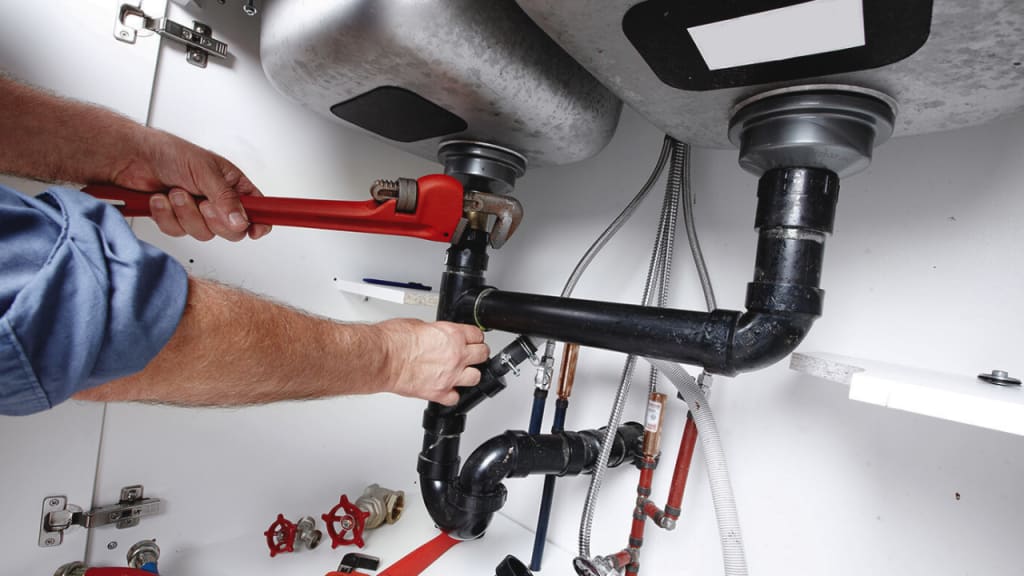
Setting up plumbing in a new house is a crucial step that requires careful planning and consideration. Proper plumbing installation ensures efficient water distribution, effective waste removal, and long-term reliability. Whether you're building a new home or renovating an existing one, understanding key aspects of plumbing setup can save you time, money, and future headaches.
Planning Your Plumbing Layout
Planning the layout of your plumbing system is essential to ensure functionality and efficiency. Start by creating a detailed blueprint that maps out the location of fixtures, pipes, and connections. Consider the following:
1. Fixture Placement and Usage
Proper placement of fixtures like sinks, toilets, showers, and water heaters is critical for optimizing space and ensuring convenience.
Ensure that fixtures are strategically placed to minimize water wastage and maintain accessibility. Place water heaters close to areas of high demand, such as bathrooms and kitchens, to reduce heat loss and waiting time for hot water.
2. Pipe Sizing and Material Selection
Choosing the right pipe size and material is crucial to prevent pressure drops and ensure longevity of your plumbing system.
Select pipes that can handle the expected water flow and pressure requirements. Common materials include copper, PEX, and CPVC, each with its advantages depending on your budget and specific needs. Consider factors like durability, corrosion resistance, and ease of installation when making your choice.
3. Ventilation and Drainage Systems
Proper ventilation and drainage systems are essential to prevent odors, blockages, and moisture buildup.
Install vents to allow air to escape from drainpipes, preventing suction and maintaining proper drainage flow. Slope drainpipes correctly to ensure efficient waste removal and prevent clogs. Incorporate traps in drains to capture debris and prevent odors from entering your home.
Choosing the Right Plumbing Fixtures and Appliances
Selecting high-quality fixtures and appliances can enhance the efficiency and functionality of your plumbing system. Consider the following factors:
1. Water-Efficient Fixtures
Installing water-efficient fixtures such as low-flow toilets and faucets can reduce water consumption and lower utility bills.
Look for fixtures labeled with the WaterSense certification, indicating they meet EPA criteria for water efficiency. These fixtures can significantly reduce water usage without sacrificing performance, benefiting both your wallet and the environment.
2. Energy-Efficient Appliances
Opt for energy-efficient appliances like tankless water heaters and dishwasher models with high Energy Star ratings to minimize energy consumption and operating costs.
Energy-efficient appliances not only save money in the long run but also reduce your home's carbon footprint. Choose models that match your household size and usage patterns for optimal efficiency.
Ensuring Compliance with Building Codes and Regulations
Adhering to local building codes and regulations is essential to avoid fines, delays, and potential safety hazards. Consult with a licensed plumber or building inspector to ensure your plumbing installation meets all requirements regarding:
Permitting and Inspections
Obtain necessary permits and schedule inspections at various stages of the plumbing installation process to ensure compliance with local regulations and safety standards.
Failure to obtain permits or pass inspections can result in costly corrections and legal consequences. Stay informed about any updates or changes to plumbing codes in your area to maintain compliance throughout your project.
Maintenance and Long-Term Care
Proper maintenance is key to extending the lifespan of your plumbing system and preventing costly repairs. Incorporate these practices into your routine:
Regular Inspections and Repairs
Schedule annual inspections and promptly address any leaks, clogs, or damage to prevent minor issues from escalating into major plumbing emergencies.
Regular inspections can identify potential problems early, allowing for timely repairs and maintenance. Educate household members about water-saving practices and proper use of plumbing fixtures to minimize wear and tear.
Conclusion
Setting up plumbing in a new house involves careful planning, attention to detail, and compliance with regulations to ensure a reliable and efficient system. By focusing on layout planning, fixture selection, compliance with codes, and ongoing maintenance, you can create a plumbing system that meets your household's needs for years to come.
Implementing these considerations from the outset can save you time, money, and stress down the road, ensuring your new home's plumbing operates smoothly and efficiently.
For more help with your plumbing project, talk to a qualified plumber or visit OP Plumbing Hub for expert advice.
About the Creator
OP Plumbing Hub
OP Plumbing Hub in Overland Park cleans drains, maintains sewers, and offers emergency plumbing services. We use the latest tools, provide free estimates, and ensure homeowners receive reliable, quality service they can trust.
Keep reading
More stories from OP Plumbing Hub and writers in Journal and other communities.
Top 7 Tips for Keeping Your Kitchen Sink Smell-Free and Hygienic
1. Daily Maintenance: Your First Line of Defense A clean kitchen sink starts with daily habits. Begin by scraping all food particles into the garbage or compost before they enter your drain. After each use, rinse the sink thoroughly with hot water to prevent food residue from sticking to the surface. Install a high-quality sink strainer to catch debris, and clean it daily. For stainless steel sinks, wipe down the surface with a microfiber cloth to prevent water spots and maintain shine. Remember that prevention is more effective than dealing with established odors and blockages that might require professional drain cleaning services.
By OP Plumbing Hubabout a year ago in Lifehack
When Business Is Slow, Adopt Reverse Operation
When business gets tough, most people tend to follow the crowd by cutting prices, expanding product categories, and vying for traffic. However, the more they hustle, the more they lose. In fact, when the market hits rock bottom, it's time to take a different approach - 'Reverse operation' doesn't mean going against the odds recklessly. Instead, it involves discarding ineffective actions and focusing on core values. Using the logic of'reducing the front line, enhancing quality, and deep - diving into existing customers' can help break the deadlock. The colder the business climate, the more necessary it is to gain confidence through reverse operations.
By Lady Alkaid4 days ago in Journal




Comments
There are no comments for this story
Be the first to respond and start the conversation.