
What safety standards apply to dropped kerb installation in the UK?
What safety standards apply to dropped kerb installation in the UK?
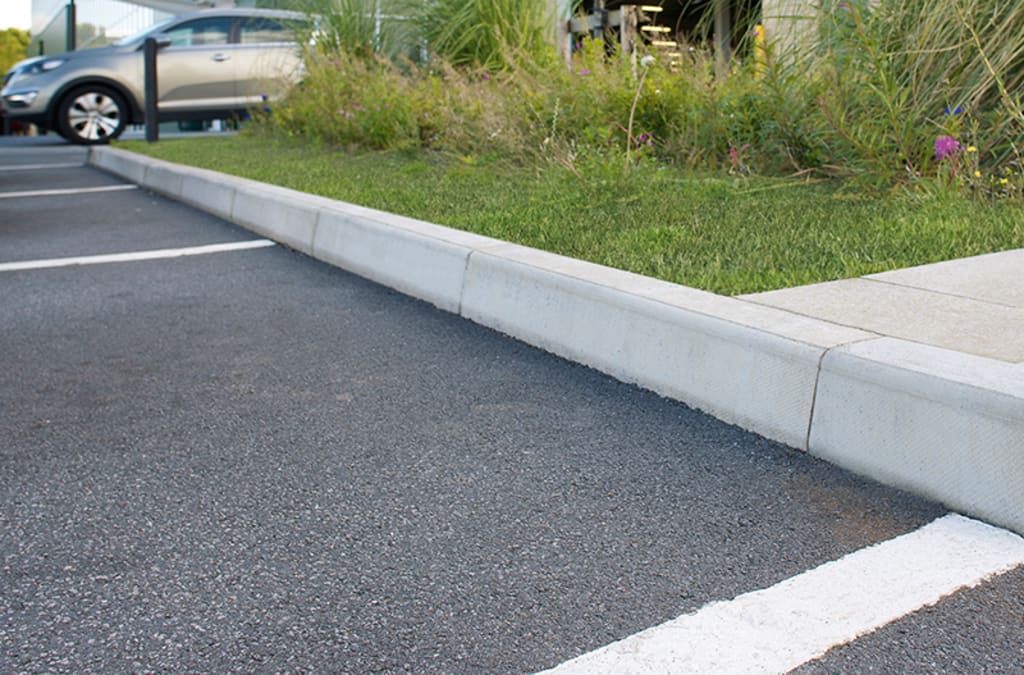
Dropped kerb installation in Durham looks straightforward from the outside. A section of pavement is lowered, concrete is poured, and cars gain access. In reality, it is one of the most tightly regulated types of domestic construction work in the UK because it takes place on the public highway.
The safety standards that apply are not optional guidelines. They exist to protect pedestrians, drivers, utility infrastructure, and property owners from long-term risk and legal exposure. Understanding these standards matters whether you are hiring a contractor or assessing existing work.
This article breaks down the actual safety standards that apply to dropped kerb installation in the UK, how they are enforced, and where problems usually arise.
Why Dropped Kerb Safety Standards Exist
A dropped kerb sits at the intersection of private benefit and public risk. It allows vehicle access to private land, but it alters a footway used by everyone.
Safety standards are designed to:
Prevent trip hazards for pedestrians
Maintain pavement strength under vehicle loads
Protect underground services
Reduce collision risk at access points
Ensure accessibility for wheelchair users and pushchairs
Most enforcement responsibility sits with the local highway authority, such as Durham County Council, but the standards themselves are national.
Highway Authority Approval Comes First
Before any safety standard can be applied on site, permission must be granted by the local council.
This approval process checks:
Visibility splays for vehicles entering the road
Distance from junctions and crossings
Pavement width after modification
Drainage impact on the carriageway
Starting work without approval is one of the most common safety breaches. Councils can require full reinstatement of the pavement at the homeowner’s expense if work is unauthorised.
Construction Standards for Dropped Kerbs in the UK
Kerb Height and Gradient Requirements
UK standards require dropped kerbs to follow specific gradients to ensure:
Vehicles can enter without grounding
Pedestrians are not forced into the road
Wheelchair access remains safe
Overly steep or uneven kerbs are a safety failure, even if they appear visually acceptable.
Sub-Base and Load-Bearing Standards
The most critical safety element sits below ground.
Dropped kerbs must be built on a properly compacted sub-base designed to handle repeated vehicle loads. Inadequate base depth leads to:
Cracking concrete
Kerb movement
Pavement collapse over time
This is why many failed installations look fine initially but deteriorate within two to three years.
Concrete Strength and Curing Rules
UK highway standards specify minimum concrete strengths and curing periods.
Professionals:
Use reinforced concrete where required
Allow sufficient curing time before reopening access
Protect fresh concrete from traffic and weather
Reopening a dropped kerb too early is a common safety breach that shortens lifespan and increases failure risk.
Pedestrian Safety and Accessibility Standards
Dropped kerbs must not compromise pedestrian movement.
Safety standards require:
Smooth transitions without abrupt level changes
Clear tactile paving near crossings where applicable
Adequate remaining footway width
Installations that force pedestrians into the road or narrow the pavement below acceptable limits can be rejected by the council.
Traffic Management and Site Safety Rules
Temporary Traffic Control
When dropped kerb work takes place next to live traffic, installers must follow recognised traffic management standards.
This includes:
Cones and signage
Barriered excavation zones
Safe pedestrian diversion routes
These measures are not excessive. They are required because pavement work happens within centimetres of moving vehicles.
Excavation and Utility Protection
UK safety standards require contractors to identify and protect underground services.
This involves:
Checking service drawings
Hand-digging trial holes
Avoiding mechanical excavation near known utilities
Damage to gas, water, or electrical services is both a safety incident and a legal issue.
Who Is Responsible for Meeting These Standards?
Responsibility is shared, but not equally.
The contractor is responsible for following construction and site safety standards
The homeowner is responsible for ensuring permission is granted and approved contractors are used
The council enforces compliance and can require corrective work
Hiring an unapproved contractor does not transfer liability away from the property owner.
Common Safety Failures Councils See
Across the UK, councils repeatedly flag the same issues:
Insufficient sub-base depth
Incorrect kerb alignment
Poor drainage causing water runoff
Lack of traffic management during works
Most of these failures come from cost-cutting, not lack of knowledge.
How Safety Standards Affect Dropped Kerb Lifespan
A dropped kerb built to UK safety standards typically lasts 20 years or more. One built below standard often fails within five.
Safety compliance directly affects:
Structural durability
Maintenance costs
Council inspection outcomes
Property value and resale issues
Cheap installs do not just fail faster. They create long-term risk.
Final Thoughts
Driveways Durham standards exist because failures cause real harm. Cracked pavements, pedestrian injuries, and vehicle damage all trace back to corners being cut during installation.
If you are planning a dropped kerb, the safest decision is choosing a contractor who understands and follows these standards fully, even when it slows the job or increases upfront cost.
About the Creator
Keep reading
More stories from Driveways Durham and writers in Journal and other communities.
Do I Need Permission for a Dropped Kerb Installation?
When considering the installation of a dropped kerb for your driveway, one of the first questions that often comes to mind is whether you need permission. In the UK, a dropped kerb allows vehicles to access your property from the public road, and it’s essential to understand the rules and regulations governing this process. This guide will help you navigate the steps involved in obtaining permission for a dropped kerb installation, ensuring you follow the correct procedures and avoid any legal issues.
By Driveways Durham8 months ago in Petlife
The goals I did not achieve
Every writing goal I made for the year is a wash. It has been this way for a while, but I think it's important to be open about my failures and the reality of how life can get in the way. This is especially true considering the several times I have posted on Vocal about my writing goals, how I was changing my approach, and where I was hoping to be for the upcoming year. I will probably do that again in a couple months, but for now, it is time to acknowledge where I am today.
By Kay Husnick22 days ago in Journal



Comments
There are no comments for this story
Be the first to respond and start the conversation.