
What Role Do Political Parties Play in the USA Voting Process?
USA Politics

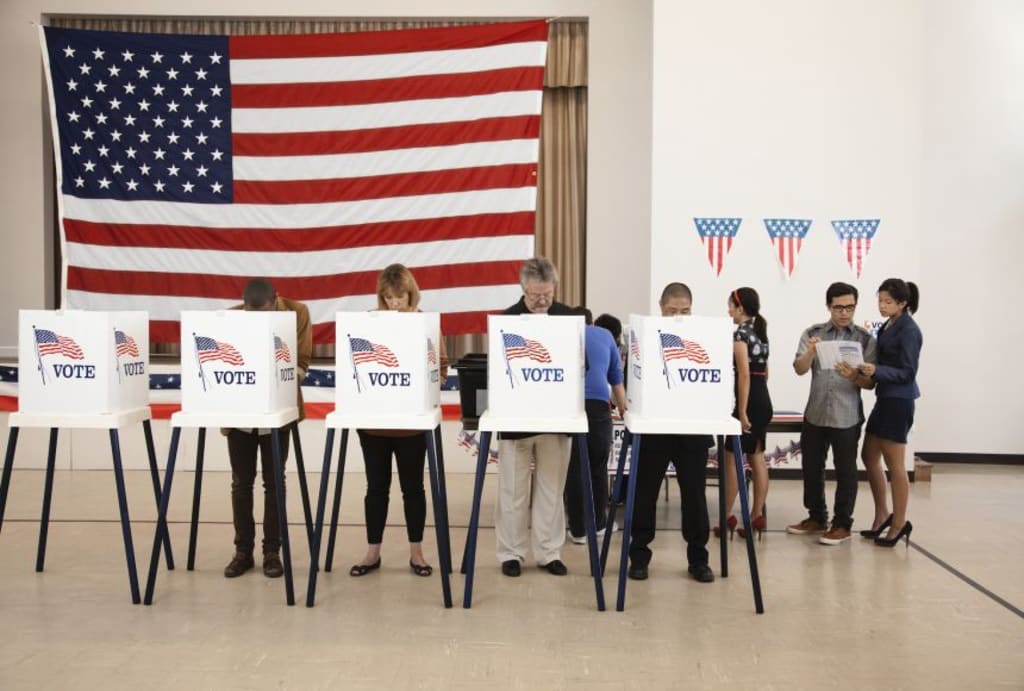
Political parties are central to the voting process in the United States. They act as pillars of democracy, serving as organized groups that aggregate and articulate public interests, propose policy platforms, and mobilize voters. While the U.S. Constitution does not explicitly mention political parties, they have become an essential component of the nation’s electoral system. Here, we explore the multifaceted role of political parties in shaping the voting process.
1. Structuring Electoral Choices
One of the most visible roles of political parties in the voting process is structuring electoral choices. In the United States, the political landscape is dominated by two major parties: the Democratic Party and the Republican Party. These parties nominate candidates for public office, particularly for presidential, congressional, and state elections. By presenting candidates under their banners, they simplify the voting process for citizens. Instead of evaluating a large number of independent candidates, voters can align with a party that reflects their ideological and policy preferences.
Political parties also help clarify issues by promoting specific platforms. For instance, Democrats and Republicans often take contrasting positions on taxes, healthcare, climate change, and social issues. These distinctions make it easier for voters to identify which candidates align with their priorities and values.
2. Organizing Primaries and Caucuses
The role of political parties begins long before the general election. They organize primaries and caucuses to select their candidates for various offices. In presidential elections, this process is particularly significant.
Primaries are state-level elections where party members vote for their preferred candidate, while caucuses involve local gatherings of party members to discuss and vote on candidates. These events allow parties to narrow the field of contenders and demonstrate the democratic process within their own ranks. Additionally, they provide a platform for candidates to present their ideas and connect with voters.
The outcome of primaries and caucuses determines the party’s official nominee, who will compete in the general election. This system ensures that the candidate representing the party has substantial support from its base.
3. Mobilizing Voters
Political parties play a crucial role in voter mobilization. They conduct extensive outreach efforts to encourage voter registration and participation in elections. Strategies include phone banking, door-to-door canvassing, and digital campaigns. Parties use data analytics to identify potential supporters and target them with tailored messages that emphasize issues likely to resonate with them.
For example, during election seasons, parties organize rallies, debates, and events to energize their supporters. They also deploy volunteers to distribute campaign materials and provide transportation to polling places for voters who may face difficulties getting there.
Voter mobilization efforts are particularly important in tight races, where turnout can determine the outcome. Both major parties invest heavily in "get-out-the-vote" (GOTV) campaigns in battleground states or districts to maximize their electoral chances.
4. Shaping Political Discourse
Political parties are instrumental in shaping the discourse around elections. They frame debates by highlighting specific issues and advocating for their positions. Through party platforms, speeches, advertisements, and social media, parties communicate their vision for governance and seek to define their opponents negatively.
By emphasizing certain issues, parties influence the priorities of voters and candidates alike. For instance, during presidential elections, debates often center around topics like the economy, healthcare, and foreign policy. The issues highlighted by parties reflect their core values and attempt to sway undecided voters.
This role extends beyond election seasons, as parties consistently advocate for their policies and keep their base engaged through media channels and political campaigns.
5. Building a Support Network for Candidates
Political parties provide essential support for their candidates. This includes funding, strategic advice, and access to a network of supporters. Through party organizations at the national, state, and local levels, candidates receive resources to conduct their campaigns effectively.
The party apparatus helps coordinate efforts, from hiring campaign staff to organizing events. Financial support is particularly important, as running for office in the United States can be incredibly expensive. Parties raise funds through donations from individuals, corporations, and political action committees (PACs). These funds are then allocated to candidates’ campaigns to cover advertising, travel, and other expenses.
6. Influencing Voter Education
Political parties contribute to voter education by providing information about the electoral process and their policy positions. They distribute pamphlets, host town halls, and maintain websites with details about candidates and issues. This education helps voters make informed decisions at the polls.
However, the role of parties in voter education can be double-edged. While they aim to inform, parties also engage in persuasion, often presenting information in a way that aligns with their interests. This can sometimes lead to the dissemination of biased or misleading information, which underscores the importance of critical thinking and independent research by voters.
7. Monitoring Elections and Ensuring Fairness
Parties play a role in safeguarding the integrity of elections. They appoint poll watchers and observers to monitor the voting process, ensuring it is conducted fairly and without irregularities. These representatives report any issues, such as voter intimidation or ballot tampering, to the appropriate authorities.
At the same time, parties advocate for election laws and policies that they believe will benefit their constituencies. This can lead to debates over issues like voter ID laws, redistricting, and access to mail-in ballots.
Conclusion
Political parties are indispensable to the U.S. voting process. They simplify choices for voters, organize candidate selection, mobilize the electorate, shape public discourse, and provide crucial support to candidates. While their influence has both positive and negative aspects, the democratic system relies on their ability to engage citizens and facilitate participation. Understanding the role of political parties is essential for grasping how elections function and how power is distributed in the United States.
About the Creator
Bindu Bhardwaj
I am blogger crafting engaging content on diverse topics. Informative, relatable, and thought-provoking posts that connect with readers. Explore and learn through my words.
Keep reading
More stories from Bindu Bhardwaj and writers in Journal and other communities.
The History Behind Popular Christmas Traditions
Christmas, celebrated annually on December 25th, is one of the most beloved holidays worldwide. Beyond the joyful gatherings and festive decorations lies a rich tapestry of traditions steeped in history, culture, and religious significance. Understanding the origins of these customs adds depth to our holiday celebrations. From Christmas trees to caroling, let’s explore the fascinating history behind popular Christmas traditions.
By Bindu Bhardwajabout a year ago in Fiction
The goals I did not achieve
Every writing goal I made for the year is a wash. It has been this way for a while, but I think it's important to be open about my failures and the reality of how life can get in the way. This is especially true considering the several times I have posted on Vocal about my writing goals, how I was changing my approach, and where I was hoping to be for the upcoming year. I will probably do that again in a couple months, but for now, it is time to acknowledge where I am today.
By Kay Husnick23 days ago in Journal
Why are insurance operations ready for AI and what smart teams are doing differently?
Insurance operations are ready for AI because the work has outgrown the systems meant to support it. Agencies, MGAs, and carriers are handling higher policy volumes, complex documentation, and rising regulatory demands, while clients expect speed and accuracy as standard. This pressure is structural, not temporary.
By Fusion Business Solution P Limited3 days ago in Journal



Comments
There are no comments for this story
Be the first to respond and start the conversation.