
What Kinds of Health Data Can Smart Toilets Collect
Is That Creepy or Helpful?

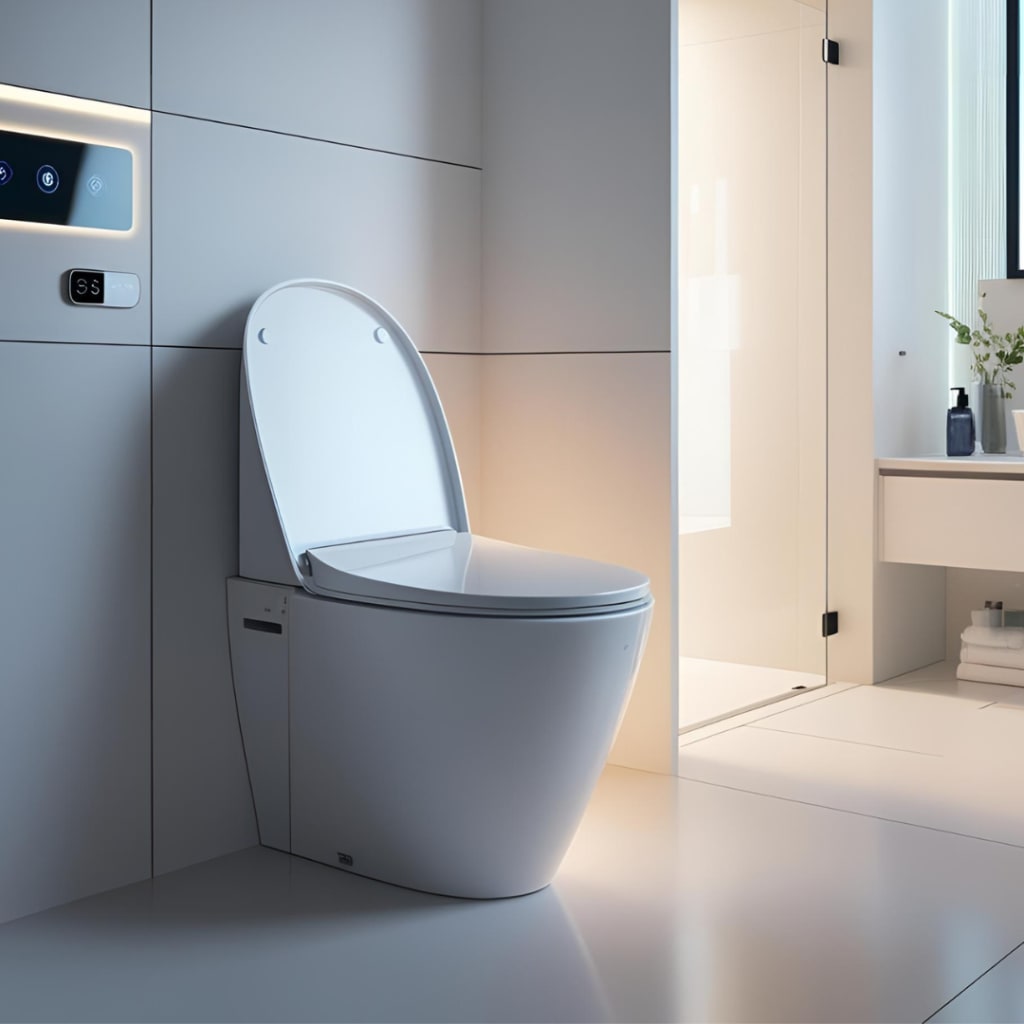
In recent years, the bathroom has quietly become a space of innovation. With the emergence of the smart toilet, a traditionally unremarkable fixture is being reimagined as a tool for real-time health monitoring. By embedding sensors, cameras, and diagnostic tools within the toilet itself, these systems are capable of capturing data points once restricted to clinical settings. But with such data collection comes a complex debate around privacy, consent, and necessity.
What Health Data Can a Smart Toilet Monitor?
Smart toilets vary in complexity, but many share core capabilities designed to monitor various aspects of human health via urine, faeces, and in some cases, biometric indicators.
1. Urinalysis and Hydration Metrics
Smart toilets equipped with chemical sensors can analyse the composition of urine. This includes levels of glucose, protein, ketones, pH, and signs of dehydration. For individuals with diabetes, this technology could help track glucose levels in a non-invasive manner. Similarly, athletes or elderly individuals may benefit from regular hydration checks without the need for external testing.
2. Faecal Analysis
More advanced models can analyse the shape, consistency, and content of stool, potentially identifying early warning signs of gastrointestinal disorders, infections, or nutritional deficiencies. For those managing chronic conditions such as irritable bowel syndrome (IBS) or Crohn’s disease, this type of monitoring can assist in identifying patterns or triggers.
3. Blood Detection
Smart toilets are also being developed to detect microscopic traces of blood in urine or faeces—symptoms that may indicate internal bleeding, haemorrhoids, or even colorectal cancer. Early detection in these cases can be life-saving, particularly for individuals who may otherwise avoid regular health screenings.
4. Microbiome Monitoring
Emerging research suggests smart toilets may be able to collect samples for microbiome analysis. The gut microbiome plays a significant role in digestion, immune response, and even mental health. Regular updates on changes to an individual’s microbiome could one day inform personalised dietary or treatment plans.
5. Biometric Identification
Some smart toilets feature fingerprint readers or even pressure-sensitive seats to match health data to the correct individual in a household. Others have been trialled with more unusual identification methods—such as anus recognition via pressure or shape mapping—raising eyebrows for both their novelty and ethical implications.
A Question of Benefit vs Intrusion
While the technical capabilities of smart toilets are expanding rapidly, the public conversation around them is still catching up. The benefits for healthcare—particularly preventive care—are clear. Being able to detect anomalies before they become serious health issues could lessen the burden on public health systems and improve outcomes for individuals.
However, these benefits must be weighed against valid concerns. Chief among them is data privacy. Health data is highly sensitive, and there are questions around who owns the data collected by smart toilets, how securely it is stored, and whether it could be shared with third parties such as insurance companies or employers.
Consent is another grey area. In a household with multiple users, does every user have the ability to opt in or out of data collection? What happens when guests use the toilet? These questions have yet to be comprehensively addressed by manufacturers or regulators.
The Path Ahead
For now, smart toilets remain a niche product—used mainly in tech-forward homes or research settings. But their potential is undeniable. With ageing populations and growing interest in personalised medicine, tools that passively collect health data will become increasingly attractive. At the same time, the integration of such technology into private, everyday settings demands rigorous scrutiny and transparent governance.
To move forward responsibly, developers will need to prioritise data protection by design, offer clear user controls, and work closely with healthcare professionals and policymakers. Until then, consumers should carefully assess whether the health insights offered by a smart toilet are worth the data they must give up in return.
Ultimately, the issue is not whether smart toilets are inherently helpful or creepy. The answer lies in how the technology is implemented—and more importantly, who gets to control it.
About the Creator
My Homeware
MyHomeware is a top Australian retailer offering high-quality and affordable bathroom, kitchen, and laundry products. Their extensive range includes stylish tapware, sinks, shower heads, towel racks, designed to enhance any home
Keep reading
More stories from My Homeware and writers in Journal and other communities.
What Are the Cultural Differences in Smart Toilet Adoption Around the World?
The global adoption of smart toilets reflects a complex interplay of cultural norms, economic factors, technological readiness, and public attitudes towards hygiene and innovation. While smart toilets are rapidly becoming a standard feature in certain parts of the world, uptake in other regions has been slower or more selective. Understanding these regional patterns sheds light on how consumer priorities and infrastructure influence the evolution of modern bathroom technology.
By My Homeware9 months ago in Journal
Startup Capital Requirements for a Mental Health Clinic
Introduction Launching a mental health clinic requires capital. Planning must be realistic. Costs begin before opening. Funding impacts sustainability. Underestimating expenses creates risk. Clinical care depends on stability. Regulations influence spending. Staffing drives major costs. Facilities require investment. Technology is essential. Marketing supports visibility. Cash flow gaps are common. Preparation prevents disruption. Capital planning supports growth. Strong foundations protect services. Financial clarity enables success.
By Abdul Mueed2 days ago in Journal




Comments
There are no comments for this story
Be the first to respond and start the conversation.