
What Are the Cultural Differences in Smart Toilet Adoption Around the World?
Know Important Factors About Them

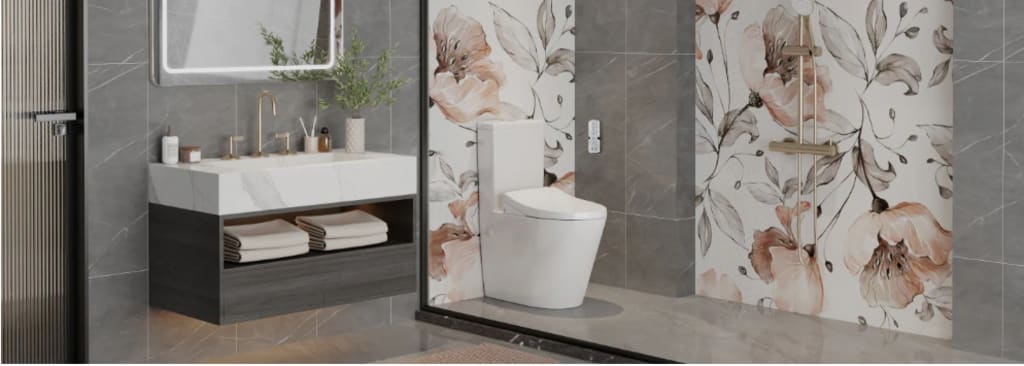
The global adoption of smart toilets reflects a complex interplay of cultural norms, economic factors, technological readiness, and public attitudes towards hygiene and innovation. While smart toilets are rapidly becoming a standard feature in certain parts of the world, uptake in other regions has been slower or more selective. Understanding these regional patterns sheds light on how consumer priorities and infrastructure influence the evolution of modern bathroom technology.
East Asia: Leading the Way in Smart Sanitation
Japan is widely recognised as the pioneer of smart toilet technology. Brands such as Toto introduced high-tech bidet toilets as early as the 1980s, and today, a large percentage of Japanese households and public facilities feature advanced toilet systems. The cultural emphasis on cleanliness, privacy, and convenience has contributed to widespread acceptance. Hygiene is not merely a personal preference but a deeply ingrained societal value, and smart toilets align well with these expectations.
South Korea has followed a similar path. With its high-tech infrastructure and consumer interest in home innovation, smart toilets are a common fixture in homes, hotels, and commercial spaces. Government-led initiatives to improve sanitation in public areas have further contributed to their integration.
Europe: Gradual Growth with Regional Variation
In Europe, the adoption of smart toilets varies considerably by country. In nations such as Germany and Switzerland, where energy and water efficiency are key considerations, interest is growing steadily. These regions tend to value practical innovations that offer measurable environmental or economic benefits.
Southern European countries, where bidets have long been standard bathroom fixtures, have shown more openness to smart toilets. Italy, for example, has a cultural familiarity with bidet hygiene practices, which aligns with the core functionality of smart toilets. However, retrofitting existing bathrooms in older buildings presents a logistical barrier to adoption.
In contrast, parts of Northern and Eastern Europe have seen slower uptake. This may be due to less exposure to the technology, differing hygiene habits, or budgetary priorities that place smart toilets lower on the list of household investments.
North America: Growing Awareness, Selective Adoption
In the United States and Canada, smart toilets are gaining visibility but remain far from mainstream. Traditionally, North American households have not incorporated bidets or similar technologies into bathroom design, making the concept less familiar. Early adopters tend to be in higher-income brackets or involved in home automation and smart home trends.
Public awareness is gradually increasing, particularly as issues of hygiene and sustainability gain more attention. However, concerns around cost, installation complexity, and cultural habits continue to limit broader acceptance.
Australia and New Zealand: Emerging Markets with High Potential
Australia and New Zealand are showing increasing interest in smart toilets, particularly in new builds and luxury renovations. Urban areas, in particular, have seen more uptake, driven by consumer interest in smart home features and sustainability.
The focus on water conservation—especially in drought-prone regions—makes certain smart toilet features, such as dual-flush systems and intelligent water usage, particularly relevant. As awareness grows and prices become more competitive, broader adoption is expected.
Middle East: Hygiene Culture Meets Infrastructure Challenges
In many Middle Eastern countries, personal hygiene is of high cultural importance, and water-based cleansing methods are commonly used. This makes smart toilets conceptually compatible with existing habits. However, widespread adoption is limited by infrastructure and economic considerations in some regions.
In affluent urban centres such as Dubai and Doha, high-end smart toilets are increasingly found in luxury residences and commercial developments. Elsewhere, adoption remains modest and tends to be limited to niche segments.
Africa and South Asia: Sanitation Priorities Over Smart Features
In large parts of Africa and South Asia, the focus remains on basic sanitation infrastructure. Access to clean water and reliable sewage systems remains a higher priority than advanced toilet technology. That said, urban areas in countries like India are beginning to see pilot initiatives and luxury developments that feature smart toilets.
India’s government has invested in large-scale sanitation projects, and while smart toilets are not a primary focus, interest in automated public toilets and health-monitoring systems is beginning to take shape in policy discussions.
About the Creator
My Homeware
MyHomeware is a top Australian retailer offering high-quality and affordable bathroom, kitchen, and laundry products. Their extensive range includes stylish tapware, sinks, shower heads, towel racks, designed to enhance any home
Keep reading
More stories from My Homeware and writers in Journal and other communities.
Understanding WELS Ratings
Water efficiency has become a crucial factor in household product selection, particularly in the bathroom where high-volume usage is common. Among the most important considerations for homeowners and builders alike is the efficiency of a toilet suite. In Australia, the Water Efficiency Labelling and Standards (WELS) scheme provides a consistent benchmark for assessing how much water various fixtures consume, including toilets. Understanding what WELS ratings mean and how they impact water usage is essential when choosing a toilet suite that aligns with both environmental responsibility and long-term cost savings.
By My Homeware9 months ago in Journal



Comments
There are no comments for this story
Be the first to respond and start the conversation.