
What is the Main Purpose of an Alarm?
What is the Main Purpose of an Alarm?
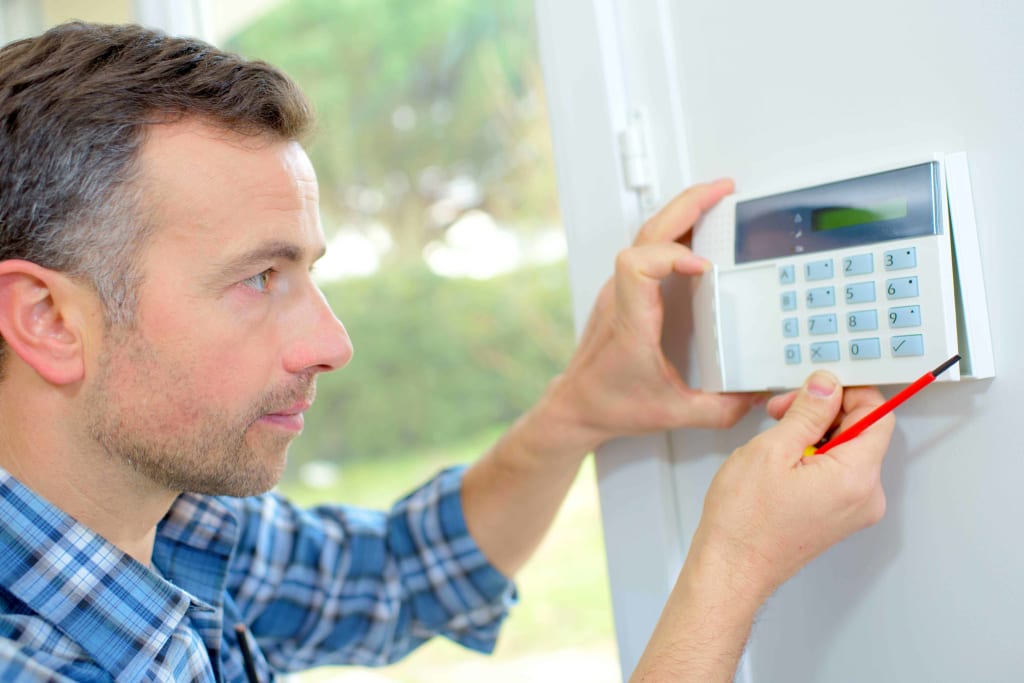
Alarms are ubiquitous in our lives, serving various functions and purposes. From waking us up in the morning to alerting us to potential dangers, alarms play a critical role in our daily routines and safety. But what is the main purpose of an alarm? In this article, we will explore the primary functions of alarm system, their significance in different contexts, and how they contribute to our overall safety and well-being.
What is an Alarm?
An alarm is a signaling device designed to alert individuals to a specific event or condition that requires immediate attention. Alarms can take various forms, including auditory signals (such as sirens or bells), visual indicators (like flashing lights), or even vibrations (as seen in some wearable devices). Depending on their intended use, alarms can be found in homes, businesses, vehicles, and public spaces.
safety and Security
One of the primary purposes of alarms is to enhance safety and security in various environments. Alarm systems are widely used in residential and commercial properties to detect unauthorized entry, fires, carbon monoxide leaks, and other hazardous situations. Here’s how alarms contribute to safety:
Burglar Alarms: These systems alert homeowners and law enforcement to unauthorized access, deterring potential intruders and providing peace of mind to occupants.
Fire Alarms: Smoke detectors and fire alarms are crucial for detecting fires early, allowing occupants to evacuate and seek safety while notifying emergency services.
Carbon Monoxide Detectors: These alarms detect dangerous levels of carbon monoxide, a colorless and odorless gas, helping to prevent poisoning and potentially fatal situations.
Prompt Response to Emergencies
Alarms serve as immediate alerts, prompting quick action in emergency situations. The loud sounds or flashing lights draw attention and signal individuals to take appropriate measures. For instance:
In case of a fire alarm, the loud sound alerts occupants to evacuate the building and call for help, minimizing potential harm.
A medical alert system provides immediate assistance to individuals in distress, allowing them to call for help without needing a phone.
Behavioral Cues and Notifications
Alarms also function as behavioral cues, helping individuals maintain schedules and routines. Examples include:
Wake-Up Alarms: Alarm clocks are designed to wake individuals at a specific time, helping them start their day on schedule.
Reminders: Many people use alarms on their smartphones to remind them of important tasks, meetings, or medication schedules, ensuring they stay organized and on track.
Enhanced Awareness and Prevention
Alarms can increase awareness and promote preventive measures in various settings. For example:
Security Alarms: The presence of visible alarm systems can deter criminal activity, as potential intruders may think twice before targeting a property with a security system in place.
Environmental Alarms: Systems that monitor environmental factors, such as water leaks or temperature changes, can alert homeowners to issues before they escalate into costly repairs.
Reinforcing Safety Protocols
In workplaces and public areas, alarms play a vital role in reinforcing safety protocols and ensuring compliance with regulations. For instance:
Evacuation Alarms: Many businesses and public buildings are required to have evacuation alarms that signal when to leave the premises in an emergency.
Hazard Alerts: Alarms can notify employees of specific hazards, such as chemical spills or equipment malfunctions, allowing for a timely and effective response.
Conclusion
The main purpose of an Baldino's Electronic Security is to provide timely alerts that enhance safety, security, and overall awareness in various settings. Whether it’s protecting our homes from intruders, alerting us to fires, or helping us manage our daily routines, alarms are essential tools in our lives. By understanding their significance and the roles they play, we can better appreciate the importance of alarms in maintaining our safety and well-being. As technology advances, alarms will continue to evolve, providing even more innovative solutions to keep us secure and informed.
About the Creator
Keep reading
More stories from onecallbailbonds and writers in Journal and other communities.
How to design a roof for a house?
Designing a roof for your home is one of the most important decisions you’ll make in the overall design process. The roof not only protects your home from the elements but also plays a crucial role in the aesthetic appeal, energy efficiency, and structural integrity of your house. Whether you’re building a new home or remodeling an existing one, here are the essential steps and considerations to help you Roofing Company in Maryland.
By onecallbailbondsabout a year ago in Proof
How Much Does It Cost to Start an Outpatient Rehab Treatment Facility
Introduction to Outpatient Rehab Facility Costs Establishing an outpatient rehabilitation treatment facility requires a nuanced understanding of both healthcare delivery and business economics. Unlike residential centers, outpatient programs typically involve lower capital intensity, yet they still demand substantial upfront investment. Costs vary widely based on geography, service scope, and regulatory rigor. A modest facility may require a few hundred thousand dollars to launch, while a comprehensive center offering multiple therapies can exceed seven figures. Prudent financial forecasting at the outset reduces fiscal turbulence later and creates a foundation for sustainable operations.
By Fida Hassaina day ago in Journal
Wild Card Weekend Recap: What Happens Now?
I think I figured out why I love Wild Card Weekend so much. It's because it's the first playoff anything of the calendar year. The NFL season starts in the fall, and once upon a time, the champion was crowned either on or slightly before New Year's. The evolution of the NFL schedule has resulted in the playoffs starting just into the New Year, and currently, the final week of the season falls on the first weekend of the New Year, with Wild Card Weekend coming a week after that. So yes, chronologically, the NFL's Wild Card Weekend serves as the first playoff anything of the calendar year.
By Clyde E. Dawkins3 days ago in Unbalanced



Comments
There are no comments for this story
Be the first to respond and start the conversation.