
What is Raised Access Flooring?
What is Raised Access Flooring


Introduction to Raised Access Flooring
Raised access flooring is an innovative flooring system designed to create a versatile and functional space by incorporating an elevated platform above the structural subfloor. This system allows for the efficient management of cables, wires, and mechanical services, making it a popular choice in modern office buildings, data centres, and commercial spaces.
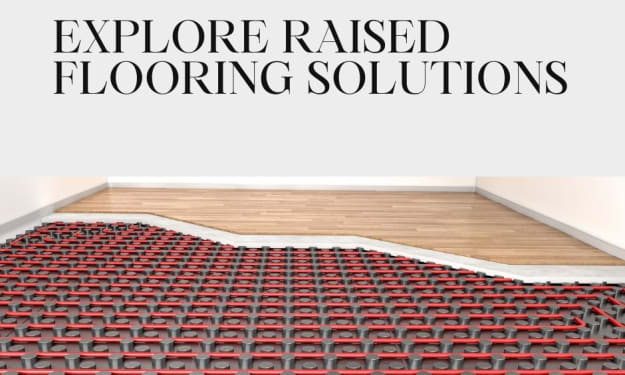
The system consists of interlocking floor panels supported by adjustable pedestals, creating a hidden void that can be used for electrical, plumbing, and HVAC installations. This flexibility enhances workplace efficiency and simplifies future modifications.
The Components of a Raised Access Floor System
A raised access flooring system consists of several key components:
Floor Panels – These panels form the visible walking surface and are typically made from materials such as steel, aluminium, wood core, or calcium sulphate. They can be finished with carpets, vinyl, laminate, or other surface coatings.
Pedestals – Adjustable pedestals support the floor panels, ensuring stability and load distribution. The height of the pedestals can vary depending on the required void space.
Stringers – Some systems use stringers to connect the pedestals, providing additional structural support and stability.
Underfloor Void – The space beneath the raised floor panels is utilised for cabling, power distribution, air conditioning, and drainage systems.
Types of Raised Access Flooring Systems
Different types of raised access flooring cater to various applications. The most common include:
1. Traditional Raised Access Flooring
This system uses steel or wood-core panels supported by adjustable pedestals. It is ideal for office environments, conference rooms, and high-traffic areas where concealed cable management is essential.
2. Low-Profile Access Flooring
A more compact version of raised flooring, low-profile systems are typically 50–150mm in height and are used in office refurbishments or buildings with height restrictions. They provide easy access to power and data networks while maintaining minimal impact on ceiling height.
3. Airflow Panels for Data Centres
Data centres require specialised raised flooring to manage cooling efficiency. Perforated or gridded airflow panels allow for controlled air circulation, ensuring that servers and IT equipment remain at optimal operating temperatures.
4. Heavy-Duty Industrial Raised Floors
Some environments, such as industrial facilities and laboratories, require raised flooring systems that can support heavy loads and resist chemical exposure. These floors often incorporate high-density materials and reinforced support structures.
Benefits of Raised Access Flooring
1. Enhanced Cable Management
One of the primary benefits of raised access flooring is seamless cable organisation. The underfloor void allows for the structured placement of electrical wiring, network cables, and power supply systems, reducing trip hazards and clutter.
2. Improved Airflow and Cooling Efficiency
In data centres and commercial buildings, raised floors facilitate the integration of air distribution systems. This enhances temperature control and prevents overheating of IT equipment.
3. Easy Maintenance and Accessibility
Unlike traditional flooring, raised access systems allow for easy inspection, modification, and maintenance of underfloor utilities. Panels can be lifted individually without disrupting the entire floor structure.
4. Adaptability and Future-Proofing
With evolving technology and workspace requirements, businesses need flexible infrastructure. Raised access flooring supports quick reconfigurations, ensuring that electrical and communication systems remain future-proof.
5. Aesthetic and Organised Workspace
By concealing cables and ducting beneath the floor, raised flooring contributes to a clean and aesthetically pleasing office environment. It also enables the integration of modern interior designs without compromising functionality.
Common Applications of Raised Access Flooring
Raised access flooring is widely used in various industries due to its functionality and adaptability.
1. Offices and Commercial Spaces
Corporate offices benefit from raised floors as they accommodate data cabling, telephone wiring, and electrical power while maintaining an organised and clutter-free workspace.
2. Data Centres and Server Rooms
A critical component of data centre infrastructure, raised access flooring enhances airflow, cooling, and cable management, ensuring the efficiency and safety of IT equipment.
3. Financial Institutions and Trading Floors
Banks and financial institutions require extensive IT and networking infrastructure. Raised access flooring provides an efficient way to house electrical and data systems.
4. Control Rooms and Command Centres
Security centres, broadcasting stations, and emergency response rooms depend on raised flooring to manage the extensive cabling and power distribution required for 24/7 operations.
5. Educational and Healthcare Facilities
Universities, libraries, and hospitals use raised access flooring to accommodate technological and medical equipment while allowing for future upgrades without major renovations.
Choosing the Right Raised Access Flooring System
Selecting the right raised access flooring depends on various factors:
Load Capacity – Consider the weight requirements based on equipment and foot traffic.
Panel Material – Steel, aluminium, and wood-core panels each offer different benefits in terms of durability and aesthetics.
Height Requirements – The required void space influences the pedestal height and flooring system type.
Finishing Options – Choose surface finishes such as carpet, vinyl, or laminate based on functionality and design preferences.
Environmental Conditions – Consider factors like humidity, chemical exposure, and fire resistance to ensure compliance with safety regulations.
Installation and Maintenance of Raised Access Flooring
Installation Process
The installation of raised access flooring involves several key steps:
Preparation – The subfloor must be cleaned, levelled, and prepped for the pedestal system.
Pedestal Placement – Adjustable pedestals are positioned at precise intervals to form the grid system.
Panel Installation – Floor panels are laid onto the pedestals, ensuring a secure fit.
Final Adjustments – Height levels are checked, and finishing touches, such as carpet tiles or vinyl overlays, are added.
Maintenance Tips
- To maintain the durability and efficiency of raised access flooring:
- Regularly inspect panels and pedestals for stability and wear.
- Clean the floor surface with appropriate materials to avoid damage.
- Monitor underfloor cables and ducts to ensure proper organisation and functionality.
- Replace damaged panels promptly to maintain safety and aesthetic appeal.
Conclusion
Raised access flooring is a practical, versatile, and future-proof solution for modern buildings. It enhances cable management, improves airflow, and simplifies maintenance, making it a preferred choice for offices, data centres, and commercial spaces. By selecting the right system, businesses can optimise workspace efficiency while ensuring long-term functionality and adaptability.
Whether you are designing a new office space or upgrading an existing facility, investing in raised access flooring is a smart choice for enhanced infrastructure and seamless operations.
About the Creator
Access Flooring Company
The Access Flooring Company specialise in the design manufacture and installation of Raised Access Flooring for Data Centre environments and modern offices.
Keep reading
More stories from Access Flooring Company and writers in Journal and other communities.
The Role of Suspended Ceilings in Enhancing Office Acoustics
Modern office environments demand a balance between functionality, aesthetics, and employee well-being. Among the many elements that contribute to this balance, suspended ceilings play a significant role in improving office acoustics. Paired with raised access flooring, these architectural solutions can transform workspaces into efficient and comfortable environments that cater to the demands of today’s businesses.
By Access Flooring Companyabout a year ago in Journal
Author’s Advice
If you would’ve asked me 20 years ago did I know I’d become a writer and an author, I would’ve said “nope, ain’t happening”. As fate would have it I did become an author and I can honestly say I’m loving it so far. It really does feel good to be a writer. I’ve learned a lot on this journey and I feel like with even me being as new to this world as I am, there’s some wisdom I need to share with every other aspiring author.
By Joe Patterson5 days ago in Journal
Focus and Overwhelm in Digital Product Creation
Digital product creation demands deep focus, steady decision making, and sustained mental energy. Many creators struggle not because they lack ideas or skill, but because their attention fractures under the weight of constant choices. Overwhelm creeps in quietly and erodes progress.
By Edina Jackson-Yussif 2 days ago in Journal
Babbling Dixie
The short form of tomorrow is never the whole story. Abbreviations mean nothing when we are born to die and we all are aren't we? Being spoken for before birth is something we're not supposed to remember like some kind of karma after effect. Still here we are spending our lives looking for each other.
By Canuck Scriber Lisa Lachapelleabout 6 hours ago in Fiction



Comments
There are no comments for this story
Be the first to respond and start the conversation.