
What is Modern European Dining & Why is it Gaining Popularity in Singapore?
Where tradition meets innovation on the modern European table
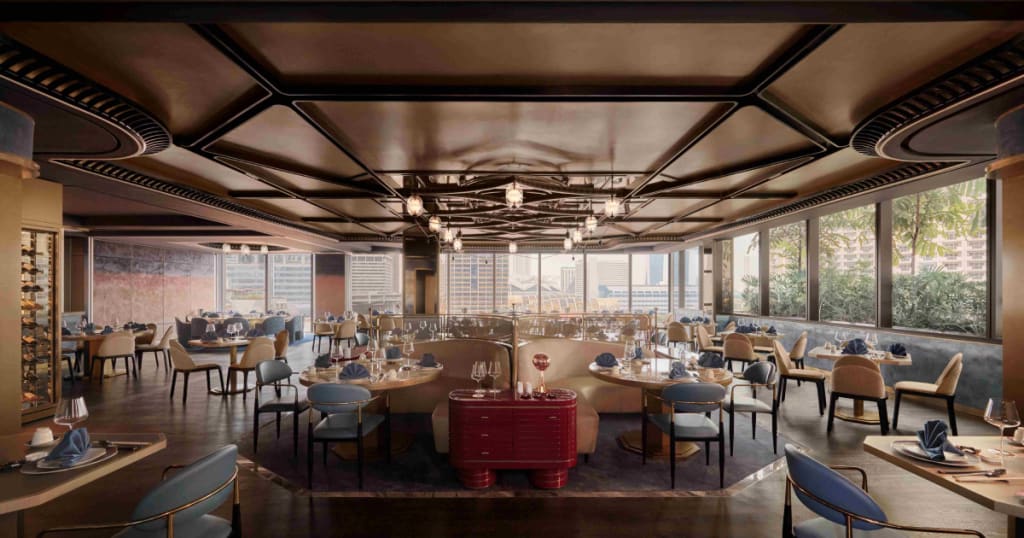
Singapore’s culinary landscape is famed for its vibrant hawker culture that speaks to its strong heritage, but the city-state has increasingly embraced sophisticated international dining concepts. As such, modern European dining is fast emerging as an exciting and dominant trend, presenting a flexible and innovative blend of classic Western techniques and local Asian flavours. Here’s more on this fascinating trend and what makes it unique.
Defining Modern European Dining: Innovation in Technique
Modern European dining is best defined by a philosophy of fluidity, innovation and refined technique rather than mere geographical boundaries. It is understood as a departure from the heavy classical cuisine of the past, a trend which draws inspiration from several culinary traditions but primarily French, Italian and Nordic, which are then combined with contemporary preferences and tastes. Its key characteristics include:
Mastery of Technique - The use of foundational French techniques (sauce-making, sous vide, mise en place) in creative ways, resulting in lighter, more sophisticated dishes.
A Focus on Ingredients - A strong emphasis on the seasonal availability and sourcing the freshest ingredients to ensure the highest quality. Mediterranean influences such as olive oil, fresh herbs, grilling and roasting are also commonly used to highlight the natural flavour of ingredients.
Artful Presentation - The presentation of dishes in a visually striking, deconstructed or architectural manner, transforming the plate into a culinary canvas. This speaks to a shift from bulk to elegance, seen at many restaurants in the city, including hotel restaurants at the likes of Grand Park City Hall.
Singapore’s Search for the Novel & Sophisticated
The high demand for modern European dining in Singapore is a testament to the nation’s profile of cosmopolitan and culinary-savvy diners, whose preferences are shaped by frequent travel and exposure to international food trends. As a result, this has created a market that demands both familiarity and innovation simultaneously, a combination that modern European cuisine offers to perfection. Its French and Italian foundations are hardly new to Westernised palates, but the idea of it being ‘modern’ implies a willingness to surprise and challenge expectations.
Singapore’s status as a global hub also makes it easy to import speciality ingredients used in modern European cuisine, as well as attract world-class chefs to bring this cuisine to life. This influx of quality produce and talent allows for high standards to be maintained at many of the city hall restaurants in Singapore, in a way that traditional cuisine cannot.
Localising European Flavours: The Crucial Fusion Factor
The most compelling driver of success for this trend in Singapore is the willingness of culinary professionals to incorporate Asian influences into their European cuisine. Rather than strictly following European recipes, these chefs creatively integrate local and regional flavours and ingredients into their dishes to create a fusion with a unique flavour profile.
This process often involves using European techniques to elevate local tastes. For instance, a risotto might be prepared using the aromatic laksa, or a classic pasta might be infused with local ingredients such as ginger flower, calamansi or even elements of chilli crab. By combining the precision of French cooking with the comfort of Asian spices, these dishes offer a new experience while maintaining a connection to Singaporean identity, giving way to a dining experience that’s both personal and locally relevant.
Casual Elegance and the Multi-Sensory Experience
Another crucial change made by the modern European movement is the shift from old-world fine dining to casual elegance, where premium, meticulously crafted meals are served in more relaxed and contemporary settings that are increasingly approachable in the day-to-day.
Moreover, the Singaporean diners of today often seek multi-sensory experiences that extend beyond the plate in front of them. As such, open kitchens, visually striking or themed interiors and service that centres on storytelling – explaining a dish’s origins or its preparation method – are very much part of modern European dining in the city-state.
This dedication to quality, sustainability and an engaging atmosphere has captured the hearts of modern Singaporean diners, cementing modern European dining as a long-term staple in the city’s culinary future.
About the Creator
Keep reading
More stories from Jeewanthi Armstrong and writers in Journal and other communities.
How to Enjoy Dubai After a Busy Conference Day
The beautiful city of Dubai is known as both a fantastic vacation spot as well as the perfect place to carry out business meetings. The city has multiple venues and districts that are dedicated to hosting the ideal gathering, while also being able to handle fun. If you are here for a conference, your mind is full of presentations, discussions, and networking, and the hours after the final session can feel like a precious window of calm. Dubai makes this transition beautifully easy, especially when you are staying at one of the Jebel Ali hotels, which is perfect for corporate travellers. This is true because Jebel Ali is a location that has both corporate buildings as well as places perfect for relaxation. Here is a guide that will help you figure out exactly how to enjoy Dubai after a busy conference day.
By Jeewanthi Armstrong13 days ago in Journal
Bruce Lee and The God of War: Kuan Ti
It starts with love.. The Power to the God Of War and Wealth Walk into a Chinese restaurant (even in Oklahoma, USA), a Chinese police station, a kung fu martial arts studio or even a Chinese temple and you often see a red faced warrior holding a heavy quan-do (spear like weapon).
By WILD WAYNE : The Dragon King4 days ago in Chapters


Comments
There are no comments for this story
Be the first to respond and start the conversation.