
What Every Ghanaian Needs to Know About the NDC’s First Mid-Year Budget 2025
Turning Challenges into Opportunities for a Prosperous Ghana

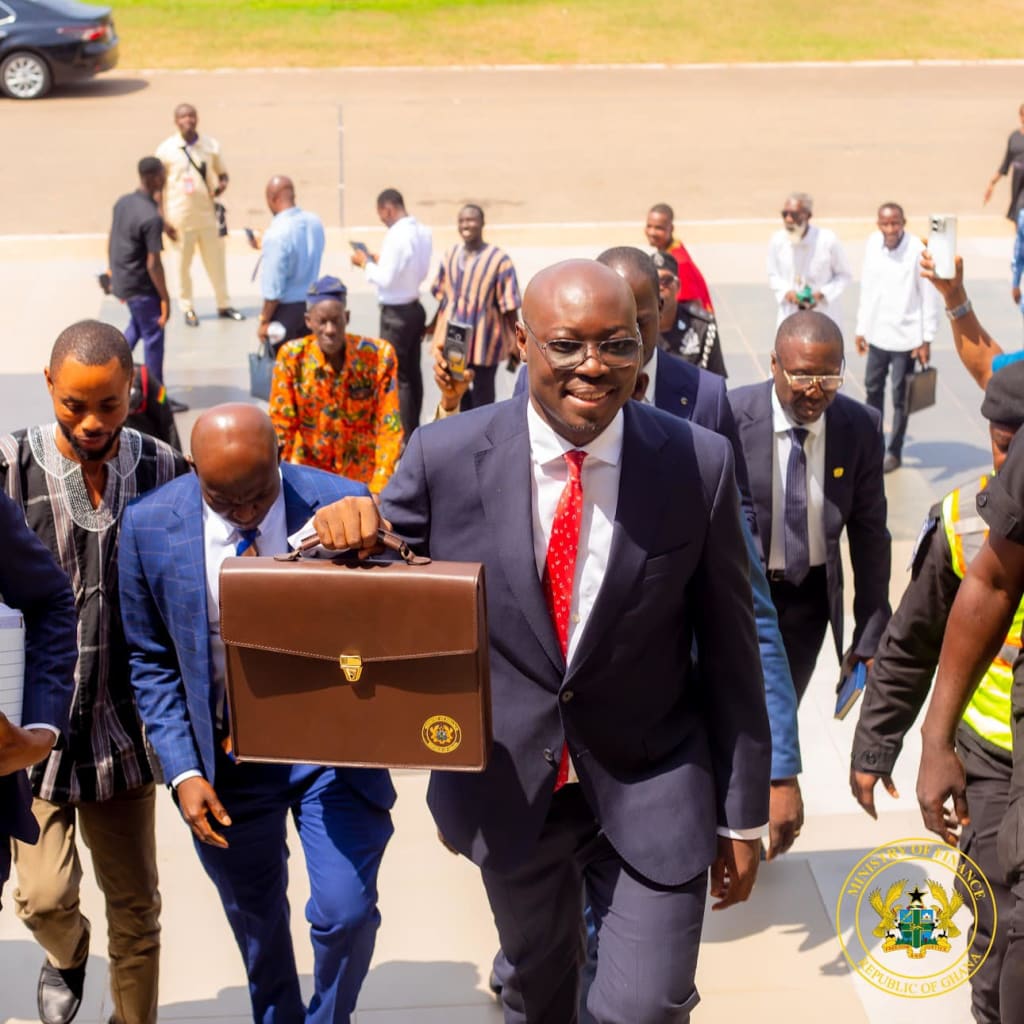
On July 24, 2025, Finance Minister Dr. Cassiel Ato Forson stood before Parliament and the nation to present a critical milestone: the new National Democratic Congress (NDC) administration’s first mid-year fiscal policy review and budget update. This was more than just numbers on a page, it was a bold declaration of Ghana’s renewed commitment to economic stability, growth, and inclusive progress.
Here’s what every Ghanaian should know about this pivotal budget and what it means for the country's future:
1. A Tough Inheritance, a Steady Hand
The NDC government inherited an economy in deep distress marked by spiraling debt, fiscal imbalances, and shaken public confidence. But instead of making excuses, they embraced the challenge with ambition and resolve. Dr. Forson’s presentation made it clear: the focus is on resetting Ghana’s economy and restoring hope.
2. Strong Fiscal Discipline Yielding Results
The government’s economic management model prioritizes tight fiscal control without sacrificing social investments. The mid-year review revealed impressive outcomes:
Ghana posted a primary fiscal surplus, beating tough targets, meaning more money is going into development than debt servicing.
The overall fiscal deficit shrank significantly, showing prudent budgeting and spending.
Inflation dropped from a worrying 23.8% at the end of 2024 to 13.7% mid-2025, making daily life less expensive for ordinary Ghanaians.
Interest rates on treasury bills and consumer loans are declining, great news for businesses and individuals borrowing money.
3. The Ghana Cedi is Strengthening
For the first time in decades, the Ghana Cedi is appreciating against major currencies. It gained over 40% against the US dollar by mid-2025, a historic turnaround that bolsters the purchasing power of Ghanaians and creates a stable environment for trade.
4. Debt Under Control and Repayment on Track
The government cut public debt by GH¢113.7 billion in six months, bringing the debt-to-GDP ratio down to 43.8%. This marks Ghana’s best position in years and is a key factor in regaining investor confidence. Importantly, Ghana continues to honor its debt obligations by making timely payments to Eurobond holders and domestic investors alike.
5. Focused Investments for a Better Ghana
The NDC administration is channeling funds strategically into areas that matter most:
Education: Including free tertiary education for students with disabilities and increased funding for infrastructure.
Health: Launching the Ghana Medical Care Trust Fund (MahamaCares) to improve chronic disease treatment.
Infrastructure: The ambitious “Big Push” program is rebuilding crucial roads, bridges, and housing for all regions.
Agriculture: Supporting irrigation projects and boosting local production to make Ghana food secure.
Digital Economy: Rolling out the One Million Coders Programme and enhancing IT infrastructure to prepare youth for the future.
6. Crackdown on Corruption and Enhanced Transparency
Acknowledging the damaging impact of past mismanagement, the government has instituted payroll audits to eliminate ghost workers, strengthened procurement controls, and vowed to aggressively fight corruption to restore public trust.
7. New Revenue Measures and Tax Reforms
With the support of the IMF and other partners, Ghana is enhancing tax collection through reforms aimed at removing distortions in the VAT system and tackling smuggling issues, especially in customs. These measures aim to raise more revenue fairly, so the government can fund essential services without burdening citizens unduly.
8. Ambitious Social Safety Nets
The budget increased grants to the Livelihood Empowerment Against Poverty (LEAP) beneficiaries and expanded free school feeding programs, lifting vulnerable Ghanaians and ensuring children receive proper nourishment and education.
9. Economic Growth and Optimism
Despite a challenging global environment, Ghana’s economy grew at a strong pace in early 2025, driven by key sectors like agriculture, industry, and services. The government’s policies aim to sustain and build on this momentum, promising a more resilient and inclusive economy.
In Conclusion: A Budget for the People and the Future
Dr. Ato Forson’s mid-year budget review is not just about numbers, it’s about a vision to reset Ghana’s economy for growth, stability, and fairness. It’s a call for unity, resilience, and shared sacrifice to build the Ghana that every citizen deserves. While much work remains, the path forward is clearer, grounded in discipline, strategic investments, and hope renewed.
As Ghana navigates through tough global headwinds, this mid-year budget signals the NDC’s commitment to leading with purpose and delivering tangible benefits to all Ghanaians
About the Creator
NII LANTEY PARKER
I am dedicated wordsmith with an insatiable appetite for knowledge. Crafting captivating articles across diverse topics. Join me in exploring the world through the art of words.🌍📖
Keep reading
More stories from NII LANTEY PARKER and writers in Journal and other communities.
The Fantastic Four: First Steps (2025) – A Retro Marvel Reboot with Heart and Vision
Marvel’s The Fantastic Four: First Steps arrives as a stylish, emotionally rich reboot that balances superhero spectacle with a heartfelt family saga, set against a retro-futuristic backdrop that feels both nostalgic and fresh. Directed by Matt Shakman, this film invites audiences into a world where the beloved First Family of Marvel embarks on cosmic adventures, battling colossal threats while navigating deeply personal challenges.
By NII LANTEY PARKER6 months ago in Critique
DIY Cowboy Hat Business: Costs and Supply Chain
Last week, a U.S. client reached out to us, looking for help sourcing pure wool felt cowboy hats and all kinds of hat accessories. At first, it didn’t seem unusual, but as we talked more, we realized her main business is actually running a few bars. And she plans to sell these hats in the bars. Surprisingly, this has now turned into a fast-growing, high-ticket, social DIY experience that’s really blowing up in her country.
By Jingsourcing.com 4 days ago in Journal
Miss Persephone's Manual to a Seemingly Ordinary Life
Miss Persephone was found at the dining table, her blue eyes swollen, her tears arriving and retreating like the tides of the ocean. Earlier that day, her family had visited her in the retirement home where she had lived for eight years. It was her eightieth birthday.
By Imola Tóth3 days ago in Fiction


Comments
There are no comments for this story
Be the first to respond and start the conversation.