
What Are the Different Methods of Dyeing Fabric?
Exploring Methods and Techniques in Fabric Dyeing Processes

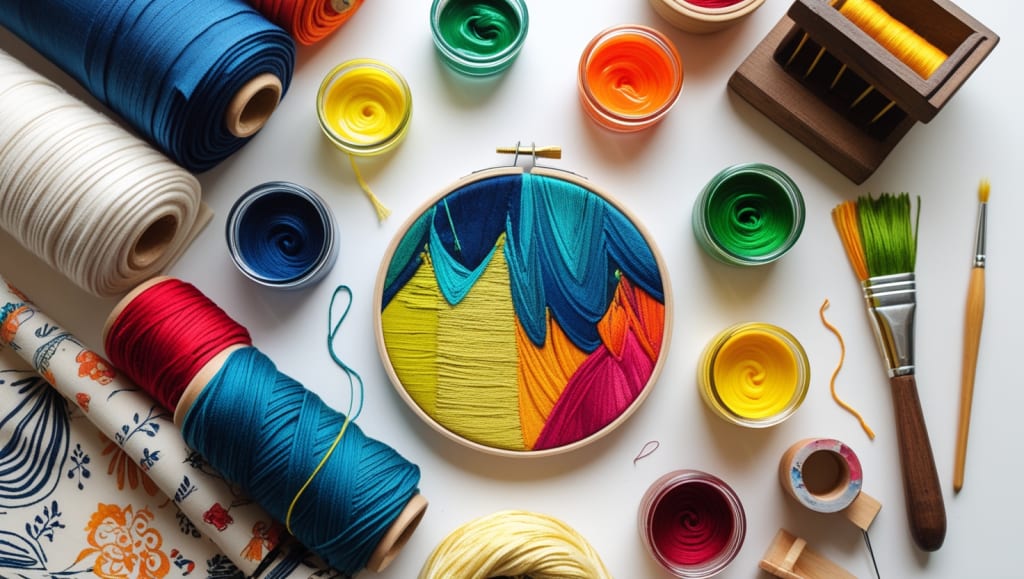
Fabric dyeing is a vital process in textile manufacturing, bringing life to materials with vibrant colors and patterns. The process involves adding color to fibers, yarns, or fabrics using various techniques and dyeing agents. Whether for garments, home textiles, or industrial applications, dyeing fabric is essential to achieve the desired aesthetic and functional properties.
In Pakistan, the textile industry relies heavily on advanced dyeing fabric solutions to meet the demands of both local and global markets. This article explores the different methods of fabric dyeing, their applications, and the role of textile dyeing in the modern manufacturing landscape.
The Importance of Fabric Dyeing
Fabric dyeing serves as both an aesthetic and functional process in textile production. It enhances the appearance of textiles and ensures durability, washability, and resistance to environmental factors.
Key purposes of fabric dyeing include:
- Achieving consistent and uniform color across materials.
- Adding specific properties like UV resistance or colorfastness.
- Creating patterns and designs that cater to fashion and consumer trends.
With a growing emphasis on sustainability, dyeing fabric services now incorporate eco-friendly practices to minimize waste and environmental impact.
Types of Dyeing Fabric Methods
There are several methods of fabric dyeing, each suited to different materials, applications, and desired outcomes. Below are the most common methods:
1. Direct Dyeing
Direct dyeing is a straightforward method where dyes are applied directly to the fabric without pre-treatment. This method works best for cellulose fibers like cotton.
Advantages:
- Simple and cost-effective.
- Suitable for a wide range of fabrics.
Limitations:
- Lower colorfastness compared to other methods.
- Simple and cost-effective.
- Suitable for a wide range of fabrics.
- Lower colorfastness compared to other methods.
- Exceptional durability and washfastness.
- Resistant to fading from sunlight and chemicals.
- Ideal for denim and workwear.
- Exceptional durability and washfastness.
- Resistant to fading from sunlight and chemicals.
- Ideal for denim and workwear.
- Suitable for printing and creating patterns.
- Works on a variety of fabric types.
- Frequently used in home textiles and casual wear.
- Allows for uniform color distribution.
- Flexible and cost-effective for large-scale production.
- Used in producing single-color garments and fabrics
- Suitable for printing and creating patterns.
- Works on a variety of fabric types.
- Frequently used in home textiles and casual wear.
- Allows for uniform color distribution.
- Flexible and cost-effective for large-scale production.
- Used in producing single-color garments and fabrics
- Type of Fiber: Natural fibers like cotton and wool require different dyeing processes compared to synthetic fibers like polyester.
- Desired Effect: Vibrancy, pattern, and durability influence the choice of dyeing technique.
- Production Scale: Large-scale production often favors methods like piece dyeing, while smaller runs may use direct or reactive dyeing.
- Sustainability: Modern dyeing practices prioritize eco-friendly solutions, reducing water and chemical use.
- Advanced Technology: Incorporates modern machinery for precision and efficiency.
- Skilled Workforce: Experienced professionals ensure consistent quality.
- Eco-Friendly Practices: Emphasis on water conservation and biodegradable dyes.
Advantages:
Limitations:
3. Vat Dyeing
Vat dyeing is a process that uses insoluble dyes, which are reduced to a soluble form during application. After dyeing, the fabric is exposed to air, which oxidizes the dye, making it insoluble again.
Advantages:
Applications:
4. Acid Dyeing
Acid dyeing uses acidic solutions to bond dye molecules to protein fibers like wool, silk, and nylon. This method produces rich and vibrant colors.
3. Vat Dyeing
Vat dyeing is a process that uses insoluble dyes, which are reduced to a soluble form during application. After dyeing, the fabric is exposed to air, which oxidizes the dye, making it insoluble again.
Advantages:
Applications:
4. Acid Dyeing
Acid dyeing uses acidic solutions to bond dye molecules to protein fibers like wool, silk, and nylon. This method produces rich and vibrant colors.
Advantages:
Applications:
7. Piece Dyeing
Piece dyeing refers to dyeing the fabric after it has been woven or knitted. It is one of the most commonly used methods in textile production.
Advantages:
Applications:
Advantages:
Applications:
7. Piece Dyeing
Piece dyeing refers to dyeing the fabric after it has been woven or knitted. It is one of the most commonly used methods in textile production.
Advantages:
Applications:
Factors Influencing Fabric Dyeing
The choice of dyeing method depends on several factors, including:
Textile Dyeing Fabric Solutions in Pakistan
Pakistan’s textile industry is renowned for its expertise in fabric dyeing. The country offers a wide range of dyeing fabric services, catering to diverse markets and applications. From traditional methods to innovative, sustainable practices, dyeing fabric solutions in Pakistan meet global standards.
Key Features of Dyeing Services in Pakistan:
Challenges in Fabric Dyeing
Despite advancements, the fabric dyeing industry faces several challenges:
1. Environmental Impact
Traditional dyeing processes consume large amounts of water and chemicals, leading to pollution.
2. Cost Management
High-quality dyes and energy-intensive processes increase production costs.
3. Consistency
Achieving uniform coloration across large batches can be challenging, especially with intricate patterns.
4. Technological Barriers
Adopting cutting-edge techniques like digital dyeing requires significant investment.
Addressing these challenges requires a combination of innovation, sustainable practices, and collaboration with leading dyeing fabric companies.
The Role of Fabric Dyeing in Textile Exports
Fabric dyeing plays a critical role in Pakistan’s textile export sector, ensuring that finished products meet the expectations of international buyers. High-quality dyeing enhances the value of garments, home textiles, and industrial materials, contributing to the country’s reputation as a leading exporter.
Final Thoughts on Dyeing Fabric
Fabric dyeing is an intricate process that transforms raw textiles into vibrant and durable materials. With methods ranging from direct dyeing to solution dyeing, the industry offers diverse techniques to meet the needs of fashion, home, and industrial markets. In Pakistan, advanced dyeing fabric services drive the success of the textile industry, ensuring high-quality products for domestic and global markets.
As the demand for sustainable and innovative solutions grows, the integration of eco-friendly practices in fabric dyeing will play a key role in maintaining Pakistan’s leadership in textile export markets. From dyeing garments to producing textile dyeing fabric for various applications, the industry continues to evolve, meeting the dynamic needs of consumers worldwide.
About the Creator
Mr.Solo
Moonlight Hosiery leverages 25+ years of expertise in sustainable textile manufacturing, specializing in dyeing, knitting, and printing high-quality fabrics.
Making Time for God: Daily Prayer in a Busy Life
Life is busy. Work, family, errands, and responsibilities often fill every corner of the day, leaving little space for reflection or prayer. Yet daily prayer is one of the most powerful tools a Catholic has for staying grounded, cultivating patience, and experiencing God’s presence in every moment. Finding ways to integrate prayer into a busy life is not about creating a rigid schedule; it is about building habits that allow moments of connection, however brief, to become transformative.
By Sound and Spirit5 days ago in Journal



Comments
There are no comments for this story
Be the first to respond and start the conversation.