
What Are the Challenges of Precision Manufacturing?
Precision Manufacturing
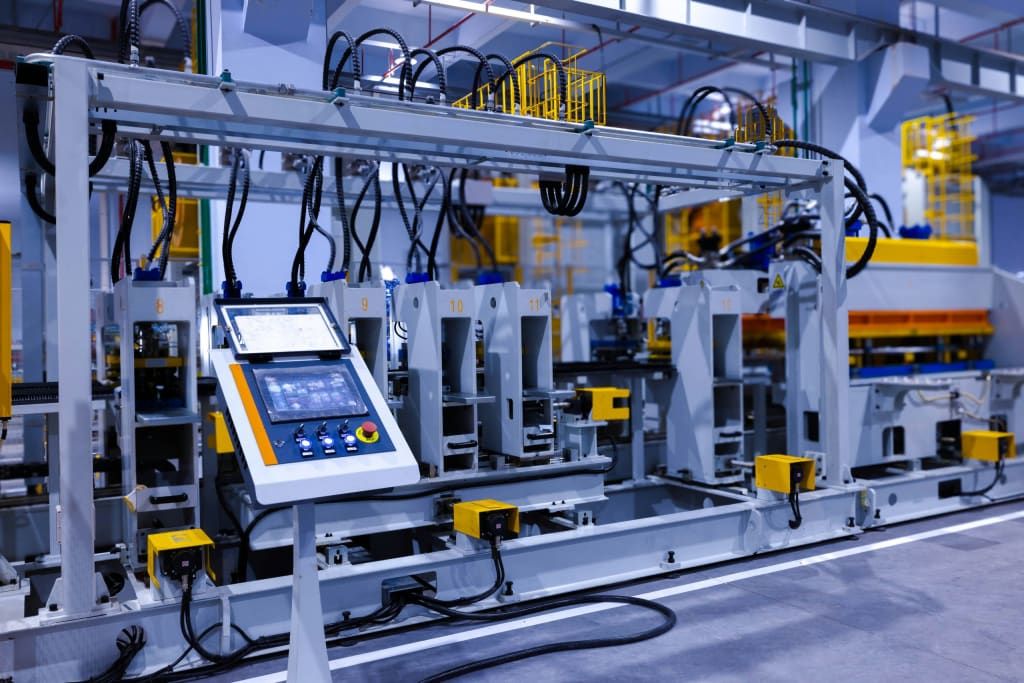
Precision manufacturing is at the heart of modern industry, driving advancements in aerospace, defense, mining, and engineering. It demands exceptional accuracy, consistency, and quality—where even a fraction of a millimeter can make a critical difference. However, as technology evolves, manufacturers face increasing challenges in maintaining precision, efficiency, and competitiveness. At Fortiz Engineering, a leader in precision manufacturing Australia, we understand these challenges and continually invest in solutions that ensure every component we produce meets the highest standards.
1. Maintaining Accuracy and Tight Tolerances
One of the biggest challenges in precision manufacturing is achieving and maintaining tight tolerances. Components used in critical applications—such as mining equipment, defense systems, or machinery—must be produced with microscopic accuracy. Even minor deviations can lead to performance issues, safety risks, or costly downtime.
At Fortiz Engineering, we address this challenge by using advanced CNC machining Adelaide technologies and computer-controlled systems that ensure exact repeatability. Our experienced machinists and quality control team use CMM (Coordinate Measuring Machine) inspections to verify every dimension, ensuring the final product matches the client’s specifications perfectly.
2. Material Selection and Quality Control
Choosing the right material is another key factor in precision manufacturing. Different materials—steel, aluminum, titanium, and alloys—respond differently to machining processes, heat treatment, and finishing. The challenge lies in selecting materials that balance strength, machinability, and cost-effectiveness.
Fortiz Engineering works with certified suppliers and uses only materials supported by material certificates and NABL-certified reports, ensuring traceability and quality compliance. Each batch is tested, verified, and documented, allowing clients to have complete confidence in their components’ reliability and performance.
3. Managing Complex Geometries and Custom Designs
Modern industries often demand intricate parts with complex geometries, multi-axis contours, and precise surface finishes. Manufacturing such components requires advanced machinery, skilled technicians, and detailed programming. Any misalignment or programming error can lead to production losses or rejected parts.
To overcome this, Fortiz Engineering combines state-of-the-art CNC milling and CNC turning systems with experienced designers and machinists. Our integrated design-to-production workflow ensures that every complex part is accurately modeled, simulated, and verified before machining begins—reducing waste and improving overall efficiency.
4. Balancing Cost and Production Efficiency
Precision manufacturing often involves high-end machinery, advanced tooling, and rigorous inspection procedures—all of which increase production costs. The challenge is to balance superior quality with affordability.
At Fortiz Engineering, we’ve developed efficient production systems that reduce waste, optimize machining cycles, and minimize rework. By leveraging our partnerships and using modern CNC machining Adelaide technologies, we help clients achieve precision results while maintaining competitive pricing.
5. Skilled Workforce and Technological Adaptation
Another major challenge in precision manufacturing Australia is the shortage of highly skilled technicians who can operate and maintain advanced CNC systems. As manufacturing becomes more digitized, there’s a growing need for machinists trained in programming, automation, and inspection technologies.
Fortiz Engineering invests in continuous training and skill development for our team. We stay up to date with evolving technologies and integrate the latest software, machinery, and inspection tools into our workflow to maintain an edge in the industry.
6. Quality Assurance and Compliance
Precision manufacturing requires more than just accurate machining—it demands documented proof of quality. Clients in regulated industries expect complete traceability through inspection reports, certifications, and compliance documentation.
At Fortiz Engineering, we provide comprehensive CMM and inspection reports for every project. Our rigorous quality assurance process ensures that every component meets both client specifications and international standards. This commitment to documentation and accountability has made us a trusted partner for precision manufacturing projects across Australia.
Conclusion
Precision manufacturing is a complex and demanding process that requires expertise, technology, and unwavering attention to detail. From tight tolerances and material challenges to cost efficiency and workforce training, each stage brings its own obstacles.
At Fortiz Engineering, we overcome these challenges through innovation, certified quality control, and advanced CNC machining Adelaide capabilities. Our dedication to excellence ensures that every component we produce delivers performance, reliability, and precision. As a trusted name in precision manufacturing Australia, Fortiz Engineering continues to support industries that rely on accuracy and quality—one precise part at a time.
About the Creator
William Sain
Want to share information regarding latest news
Keep reading
More stories from William Sain and writers in Journal and other communities.
The Complete Guide to Choosing the Right Hard Money Fix and Flip Lenders
Investing in real estate, particularly fix and flip projects, can be incredibly rewarding, but only if you have the right funding partner by your side. Traditional bank loans often move too slowly or impose rigid requirements that don’t align with the fast-paced world of property flipping. This is where hard money fix and flip lenders come in. These lenders provide fast, flexible financing based primarily on the equity of the property, allowing investors to seize opportunities quickly and maximize profits.
By William Sain4 months ago in Journal
The Quiet Revolution in Your Software: How Everyday AI Copilots Became My Secret Weapon for Growth.
The Day Everything Changed: How AI Copilots Pulled My Business (And My Sanity) Back from the Brink Let’s be real. You’re probably here because you’re tired. Tired of the endless to-do list, the creative block that hits at 3 PM, the feeling that you’re running a marathon on a hamster wheel. I know, because that was me. My name’s Jamie, and for three years, I’ve run a niche digital marketing site that was, by all accounts, “successful.” Good traffic, decent revenue. It was also a monster that consumed my nights, my weekends, and my love for the work.
By John Arthor4 days ago in Journal




Comments
There are no comments for this story
Be the first to respond and start the conversation.