
What Are the Benefits of Wearing Wool Socks in Cold and Warm Weather?
Wool socks, especially those made from merino wool like Nordic Socks, offer year-round comfort by effectively regulating temperature—keeping feet warm in cold conditions and cool in warmer climates.

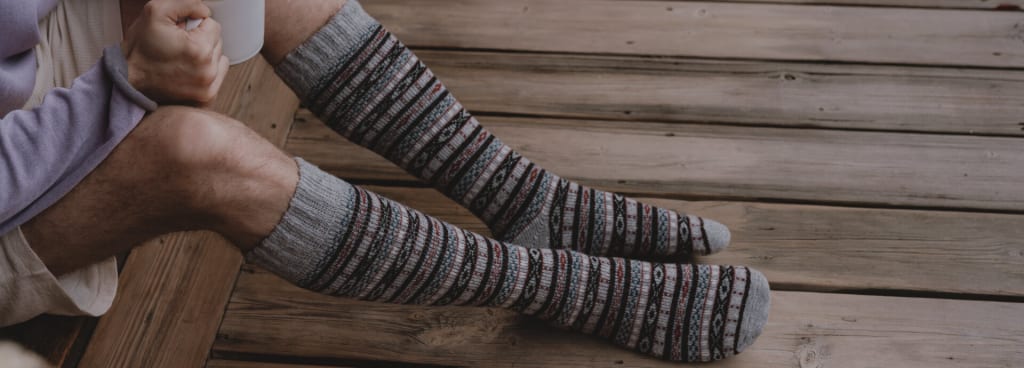
Choosing the right socks is essential for maintaining foot comfort in different weather conditions. Wool socks, particularly high-quality options like Nordic Socks, are known for their versatility and exceptional performance in both cold and warm climates. Unlike traditional cotton or synthetic socks, wool offers unique properties that regulate temperature, wick moisture, and provide superior comfort. In this article, we will explore the benefits of wearing wool socks throughout the year and why they are a preferred choice for many.
Temperature Regulation for Year-Round Comfort
One of the most remarkable features of wool socks is their ability to regulate temperature effectively. In cold weather, wool fibers trap body heat, keeping feet warm and insulated. The natural crimp in wool fibers creates air pockets that provide excellent thermal insulation, making wool socks ideal for winter wear.
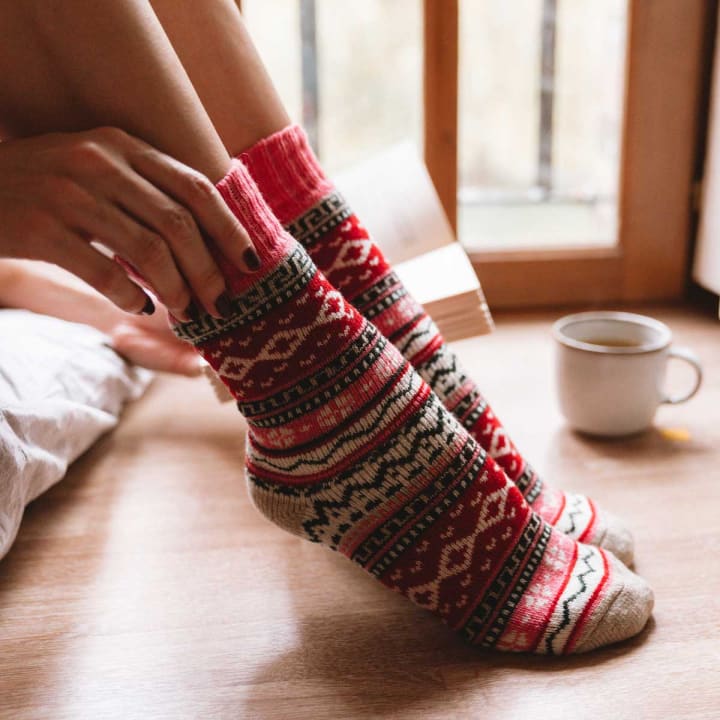
In contrast, during warm weather, wool helps keep feet cool. Its breathability allows air to circulate, preventing overheating and maintaining a comfortable temperature. This adaptability makes wool socks, such as Nordic Socks, suitable for year-round use, ensuring comfort in varying climates.
Superior Moisture-Wicking Abilities
Wool has a natural moisture-wicking ability that draws sweat away from the skin, keeping feet dry. Unlike cotton, which absorbs moisture and stays damp, wool disperses moisture into the air, allowing it to evaporate quickly. This is especially beneficial during strenuous activities, such as hiking, running, or outdoor adventures, where dry feet are essential for comfort and foot health.
Nordic Socks, made from high-quality merino wool, offer excellent moisture management, reducing the risk of blisters and discomfort caused by damp feet. This feature makes wool socks a top choice for athletes and outdoor enthusiasts.
Odor Resistance and Hygiene Benefits
Another significant advantage of wool socks is their natural odor resistance. Wool contains lanolin, a natural antibacterial agent that prevents the buildup of odor-causing bacteria. This makes wool socks an excellent option for extended wear, whether during long hikes, travel, or everyday use.
Nordic Socks, known for their premium merino wool blend, offer superior odor control, ensuring fresh feet even after prolonged wear. Unlike synthetic socks that may retain odor, wool fibers effectively neutralize bacteria, enhancing foot hygiene.
Softness and Comfort for Sensitive Skin
Many people assume wool is rough and itchy, but modern wool socks, especially those made from merino wool, are incredibly soft and comfortable. Merino wool fibers are finer than traditional wool, providing a smooth texture that is gentle on the skin.
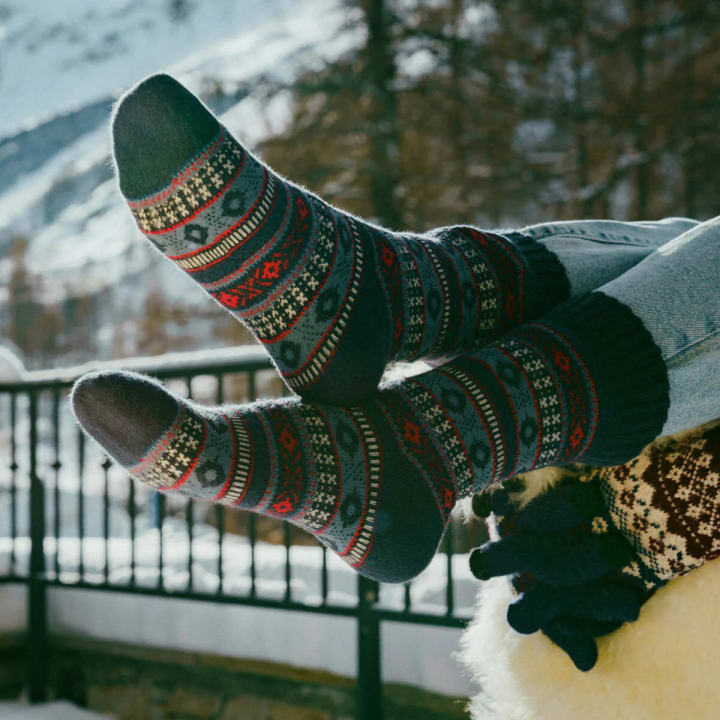
Nordic Socks are designed with comfort in mind, offering a plush, non-irritating feel. The softness of merino wool makes these socks ideal for individuals with sensitive skin or those prone to irritation from synthetic materials.
Durability and Long-Lasting Wear
Wool socks are known for their durability, outlasting many cotton or synthetic alternatives. The natural elasticity of wool fibers allows them to maintain their shape and resist wear and tear over time. This makes them a cost-effective choice, as they do not need to be replaced as frequently.
Nordic Socks are crafted for durability, ensuring long-lasting performance even with regular use. Their reinforced construction and high-quality wool blend make them a reliable option for daily wear and outdoor adventures.
Protection Against Blisters and Foot Fatigue
Wool socks provide enhanced cushioning and support, reducing the risk of blisters and foot fatigue. The extra padding in wool socks absorbs impact, making them ideal for high-impact activities such as hiking, running, or sports. The snug yet breathable fit of wool socks minimizes friction, preventing chafing and irritation.
Nordic Socks, designed for both comfort and performance, offer excellent foot support, reducing strain and promoting overall foot health. Their seamless construction further enhances comfort, making them a preferred choice for long hours of wear.

Conclusion
Wool socks offer a range of benefits that make them an ideal choice for both cold and warm weather. Their temperature-regulating properties, moisture-wicking abilities, odor resistance, softness, durability, and protective features set them apart from other materials. Nordic Socks, crafted from premium merino wool, provide superior comfort and performance, ensuring optimal foot health in any season. Investing in high-quality wool socks means enjoying year-round comfort, whether braving the winter chill or staying cool in the summer heat.
FAQs
Are wool socks too warm for summer?
No, wool socks, especially those made from merino wool, regulate temperature effectively, keeping feet cool in warm weather by allowing moisture to evaporate and air to circulate.
Do wool socks help prevent blisters?
Yes, wool socks provide cushioning and wick moisture away from the skin, reducing friction and the likelihood of blisters.
How often should wool socks be washed?
Wool socks do not need to be washed after every wear due to their odor-resistant properties. Washing them after two to three wears is usually sufficient.
Can wool socks be worn for sports and outdoor activities?
Absolutely. Wool socks are ideal for sports, hiking, and other outdoor activities due to their moisture-wicking, temperature-regulating, and cushioning properties.
Are Nordic Socks a good brand for wool socks?
Yes, Nordic Socks are known for their high-quality merino wool blend, offering durability, comfort, and excellent moisture management for various weather conditions.
How should wool socks be cared for?
To maintain their quality, wool socks should be washed in cold water, preferably with a mild detergent, and air-dried to preserve their shape and elasticity.
About the Creator
Keep reading
More stories from writers in Journal and other communities.
eCommerce Development vs Shopify Development Services: Key Differences
When businesses decide to sell online, one of the first major decisions they face is how to build their digital storefront. Some choose a fully customized approach, while others opt for a ready-to-use platform that promises speed and simplicity. This is where the comparison between eCommerce Development and Shopify development services becomes important.
By Jane Smith4 days ago in Journal
The Path to Salvation
The late autumn evening air filled the monk's lungs, but it wasn't the season that chilled his bones. The heavy-handed presence of evil he had sensed upon entering the woods surrounding this mountain village had not bothered to conceal itself from him.
By Made in DNA3 days ago in Fiction



Comments
There are no comments for this story
Be the first to respond and start the conversation.