
What are the 10 diseases caused by tobacco
Its consumption is a risk factor and complication factor for diseases such as asthma, cataracts, and cancer. It is also associated with more than 8 million deaths each year


Smoking continues to be among the main health risk factors on all continents and represents one of the greatest global challenges. According to the World Health Organization (WHO), tobacco kills more than 8 million people each year, both through direct use and exposure to secondhand smoke.
According to a State of Tobacco Control report by the American Lung Association, the consequences of tobacco use go beyond the lungs and affect various systems of the human body. They listed 10 smoking-related diseases.
In addition to smoking-related deaths, approximately 1.3 million of these deaths are among people who do not smoke but are exposed to secondhand smoke, whether in closed environments, public places, workplaces, and homes where they live with smokers, according to the WHO.

The impact of smoking is transversal, affecting children, adults, the elderly, and pregnant women, regardless of social class, a situation that overwhelms public health systems worldwide.
Furthermore, tobacco is associated with hundreds of clinical complications and lost years of healthy life, not to mention the direct environmental damage due to waste pollution and deforestation resulting from tobacco cultivation.
At the metabolic level, nicotine and more than 7,000 chemicals present in cigarette smoke (of which at least 70 are known carcinogens, according to the WHO) simultaneously affect multiple organs.
According to the world's leading health authority, less than 20% of the global population is protected by laws that guarantee completely smoke-free environments, and involuntary exposure continues to be a critical problem in schools, public transportation, and workplaces.
What are the 10 diseases caused by tobacco use

1- Asthma
Asthma is a chronic disease that causes inflammation and narrowing of the airways, generating symptoms such as coughing, wheezing, dyspnea, and chest tightness. According to the latest WHO data, it affects more than 260 million people worldwide, with 455,000 deaths.
Although it can be controlled with inhaled medication, the progression of asthma is significantly worsened in adults exposed to tobacco smoke, even passively. Furthermore, secondhand smoke (inhaled indirectly) and thirdhand smoke (which remains impregnated on surfaces and textiles) intensify bronchial inflammation, reduce the effectiveness of treatment, and increase the frequency and severity of asthma attacks.
The highest international health authority warns that avoiding these forms of exposure is key to reducing complications and improving the quality of life of those living with asthma.
2- Heart disease

Cardiovascular diseases maintain one of the highest mortality rates associated with smoking, according to data from the WHO and the World Heart Federation. Smoking damages the vascular wall, accelerates the buildup of atherosclerosis (plaque formation), raises blood pressure, and promotes blood clots and arrhythmias.
Smoking is associated with approximately 7 million deaths worldwide each year, according to the World Heart Federation. This figure translates into an increase in acute myocardial infarctions, heart failure, and sudden deaths.
The WHO indicates that reducing smoking directly contributes to reducing the incidence of these diseases and improves long-term survival.
3- Stroke

Active and passive exposure to tobacco increases the risk of stroke. Tobacco causes hardening and blockage of arteries, which increases the likelihood of cerebral ischemia and hemorrhage.
According to the Mayo Clinic, an ischemic stroke occurs when the blood supply to parts of the brain is obstructed or reduced. This prevents brain tissue from receiving oxygen and nutrients.
According to the WHO, more than 15 million strokes occur worldwide each year, 5 million of which result in permanent disability. Smoking increases both the prevalence and the severity and consequences of strokes.
4- COPD (chronic obstructive pulmonary disease)
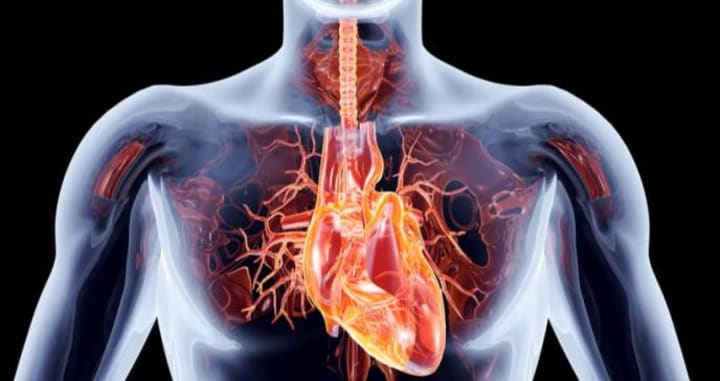
Worldwide, up to 90% of COPD cases can be attributed to smoking, according to the WHO. This progressive disease includes chronic bronchitis and emphysema, the central characteristic of which is the almost irreversible blockage of airflow in the lungs.
COPD severely limits the ability to carry out daily activities and ultimately causes premature death in millions of cases. Rates of this disease increase in countries where prevention and access to smoking cessation treatments are limited, exacerbating health inequalities.
Approximately 5% of all deaths worldwide were caused by COPD in 2021, according to the latest data provided by the WHO. Furthermore, it is the eighth leading cause of ill health worldwide.
5- Diabetes
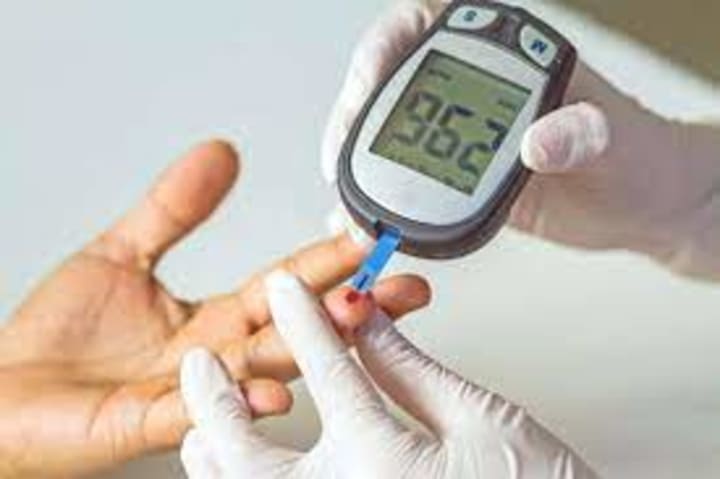
People who smoke increase their risk of developing type 2 diabetes by 30% to 40% compared to those who have never smoked, according to the American Lung Association. Furthermore, tobacco use worsens glycemic control and promotes complications such as blindness, nerve damage, amputations, and coronary and kidney disease, according to the WHO and the CDC.
According to Medlineplus, type 2 diabetes is a disease in which glucose or blood sugar levels are too high.
A hormone called insulin helps glucose enter cells to provide energy. If you have diabetes, your body doesn't produce enough insulin or doesn't use it properly. This type of sugar then remains in the blood and doesn't sufficiently enter cells.
Tobacco alters insulin and glucose metabolism, accentuating chronic inflammation and hastening the onset of serious side effects.
6- Lung cancer
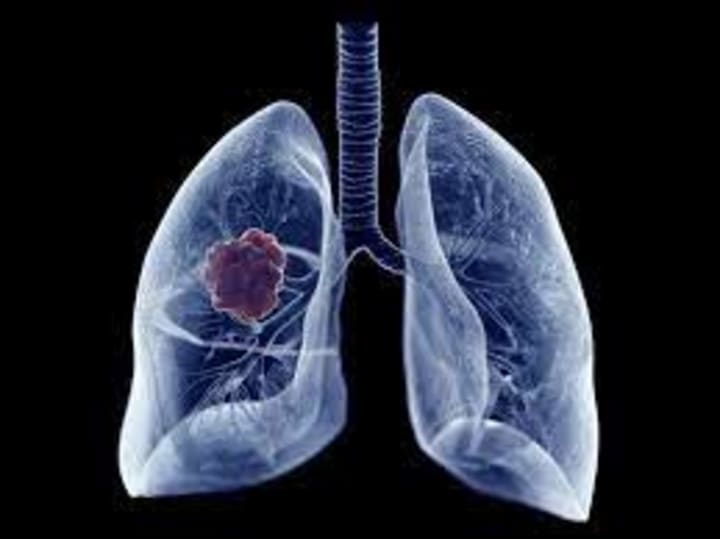
Lung cancer stands out as one of the most deadly consequences of smoking, accounting for approximately 90% of cases, warns the American Lung Association. Despite improvements in treatment, the probability of surviving five years after diagnosis is limited, with a 26.7% survival rate.
Furthermore, this cancer is the leading cause of cancer-related death worldwide, with an estimated 1.8 million deaths in 2020. Its most common form of onset is directly associated with tobacco use, which accounts for approximately 85% of cases, warns the WHO.
Smoking, therefore, constitutes the most important risk factor, along with other factors such as exposure to harmful substances, air pollution, and a history of lung disease.
Symptoms such as persistent cough, dyspnea, and chest pain often appear in advanced stages, when treatment options are more limited. Therefore, the WHO emphasizes that primary prevention through tobacco control policies and smoke-free environments, as well as early screening in high-risk individuals, are essential to reducing incidence and mortality.
7- Blindness, cataracts, and macular degeneration
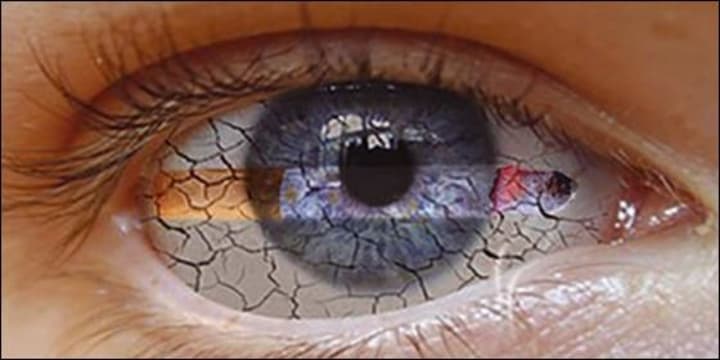
According to the CDC and WHO, tobacco affects ocular and microvascular pathways, including the retina and lens. Smoking accelerates the development of cataracts, the leading cause of reversible blindness globally, and damages the retinal macula, responsible for fine vision in older adults.
According to the Mayo Clinic, a cataract is a clouding of the normally transparent lens of the eye. People with this condition, when seeing through cloudy lenses, perceive their surroundings the same way they would through a fogged-up window. The cloudy vision caused by cataracts can make it more difficult to read, drive at night, or see facial expressions.
Meanwhile, age-related macular degeneration is the leading cause of irreversible blindness after age 65 and affects central vision, making tasks such as reading, recognizing faces, and seeing clearly difficult. Symptoms include blurred vision, needing more light to read, wavy lines, and difficulty identifying faces. Smoking not only doubles the risk of developing it, but also accelerates its progression, the CDC warns.
8- Women's reproductive health

Smoking, according to the WHO, has adverse effects on women's reproductive health. It decreases fertility, alters hormonal function, increases the risk of obstetric complications (ectopic pregnancy, miscarriage, placental complications, and premature birth), and is associated with infertility and early menarche (the onset of the first period before the age of 12).
Smoking women have more difficulty conceiving and a higher rate of fetal and neonatal complications.
9- Premature and low-birth-weight babies

Smoking, both active and passive, during pregnancy increases the likelihood of premature birth, low birth weight, and neonatal death, according to the WHO and the CDC. Newborns born to mothers who smoke have greater difficulties growing and are more vulnerable to respiratory infections and chronic diseases.
Sudden infant death syndrome is also linked to prenatal and postnatal exposure to cigarette smoke.
10. More than a dozen types of cancer

The WHO warns that smoking is associated with more than 15 types of cancer, not only lung cancer but also cancers of the mouth, throat, larynx, esophagus, stomach, liver, pancreas, kidney, bladder, cervix, and colon, among others.
In people who smoke, the likelihood of developing more than one primary cancer is higher, even after a previous diagnosis.
About the Creator
Omar Rastelli
I'm Argentine, from the northern province of Buenos Aires. I love books, computers, travel, and the friendship of the peoples of the world. I reside in "The Land of Enchantment" New Mexico, USA...
Keep reading
More stories from Omar Rastelli and writers in Journal and other communities.
The brain can anticipate what is going to happen thanks to its electrical waves
The brain's ability to anticipate future events is a central topic in current scientific research, uncovering internal mechanisms that allow humans to navigate time and respond proactively to environmental challenges.
By Omar Rastelli10 months ago in Journal
Author’s Advice
If you would’ve asked me 20 years ago did I know I’d become a writer and an author, I would’ve said “nope, ain’t happening”. As fate would have it I did become an author and I can honestly say I’m loving it so far. It really does feel good to be a writer. I’ve learned a lot on this journey and I feel like with even me being as new to this world as I am, there’s some wisdom I need to share with every other aspiring author.
By Joe Patterson2 days ago in Journal
How to Plan the Perfect Candlelight Dinner Experience in the Maldives
A candlelight dinner in the Maldives feels personal and intentional. The soft light and the open sky paired with the gentle sound of the sea, but to make sure this type of evening goes smoothly, it needs planning. Small choices shape the outcome, timing matters and the location matters. Details matter, and with the right approach, the experience feels calm rather than staged. This guide shows how to plan each step with care.
By Jeewanthi Armstrong3 days ago in Journal




Comments (1)
Smoking's a huge health risk. It affects more than just the lungs. We need stronger laws to protect people from secondhand smoke.