
Weekly Gold Forecast: U.S.-Iran Standoff Trumps U.S. PPI, Setting Stage For $5300/Oz
Geopolitical risk outweighs inflation data as safe-haven demand drives bullion toward fresh record highs
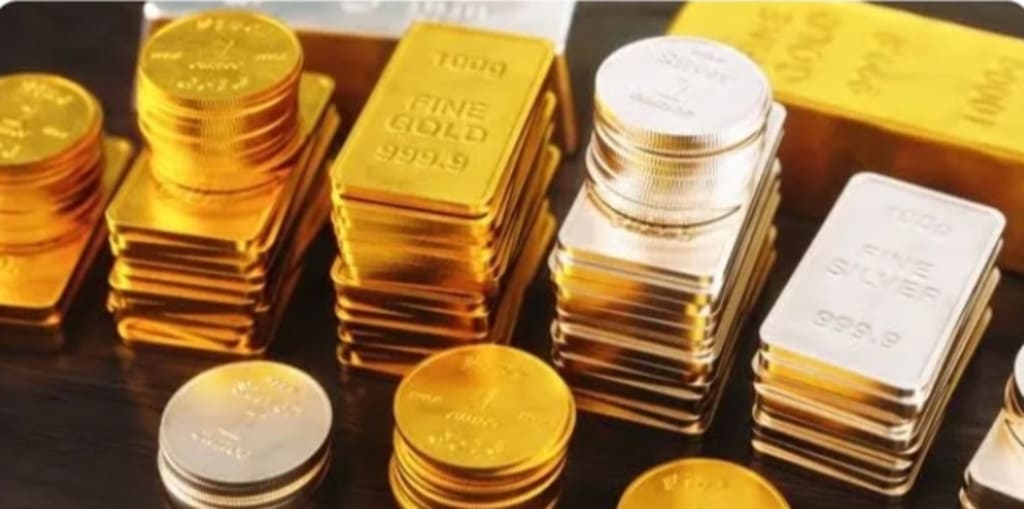
Gold is once again commanding the spotlight — and this time, it’s geopolitics, not inflation data, that’s steering the market.
Despite a closely watched U.S. Producer Price Index (PPI) release this week, traders largely brushed off the inflation signal. Instead, escalating tensions between the United States and Iran injected fresh volatility into global markets, sending investors toward traditional safe-haven assets. The result? Gold surged toward the $5300 per ounce level, reinforcing its status as the ultimate crisis hedge.
Let’s break down what’s happening — and where gold could be headed next.
Why the U.S.–Iran Standoff Matters More Than PPI
In a typical market environment, stronger-than-expected PPI data would boost the U.S. dollar and pressure gold lower. Inflation data influences expectations around Federal Reserve policy, interest rates, and bond yields — all key drivers of bullion prices.
But markets are not operating in a vacuum.
Recent diplomatic strain and military posturing between the U.S. and Iran have shifted investor focus from macroeconomic fundamentals to geopolitical risk management. In times of uncertainty, capital often flows into assets perceived as stable stores of value — and gold remains at the top of that list.
When geopolitical anxiety rises, inflation numbers take a backseat.
Safe-Haven Demand Is Back in Full Force
Gold has been trading comfortably above the $5200 level, showing resilience even during periods of dollar strength. Exchange-traded funds (ETFs) tied to precious metals have reported increased inflows, signaling broader institutional participation in the move.
This rally isn’t just speculative momentum — it’s defensive positioning.
Whenever global stability feels threatened, portfolio managers tend to rebalance toward assets that historically preserve value during conflict or systemic stress. Gold’s recent performance reflects exactly that shift.
Technical Setup: $5300 in Sight
From a chart perspective, gold’s structure remains bullish.
Key levels to watch this week include:
Immediate resistance: $5249
Psychological breakout level: $5300
Support zone: $5150
Stronger downside buffer: $5090
A confirmed weekly close above $5300 would signal continuation toward higher targets, potentially opening the door to extended upside momentum. On the other hand, failure to sustain gains above $5200 could trigger short-term consolidation.
For now, bulls remain firmly in control.
Inflation Data Fails to Derail Momentum
The U.S. PPI report showed producer prices rising more than expected, which normally strengthens the dollar and pressures non-yielding assets like gold. However, the market reaction was muted.
Why?
Because traders are currently pricing geopolitical risk as a more immediate threat than inflation variability. While rate expectations still matter, they are not the dominant theme at the moment.
In short: fear trumps fundamentals.
Central Banks Continue Supporting the Trend
Another powerful tailwind behind gold’s rise is sustained central bank demand. Over the past several years, central banks worldwide have steadily increased their gold reserves, seeking diversification away from dollar-denominated assets.
This structural demand provides a strong foundation beneath the market. Even if short-term volatility emerges, institutional accumulation reduces the likelihood of deep corrections unless macro conditions dramatically shift.
What Could Push Gold Even Higher?
Several catalysts could accelerate the move toward — and beyond — $5300:
Escalation in U.S.–Iran tensions
Unexpected geopolitical spillover into oil markets
A weakening U.S. dollar
Signals of delayed rate hikes or future easing
Broader global risk-off sentiment in equities
In extreme escalation scenarios, some analysts speculate that gold could test levels well beyond current resistance zones.
What Could Trigger a Pullback?
No rally moves in a straight line. Key downside risks include:
A diplomatic breakthrough easing Middle East tensions
Stronger-than-expected U.S. economic data boosting the dollar
Hawkish Federal Reserve commentary
Profit-taking after extended gains
If geopolitical pressure subsides, safe-haven premiums could fade quickly, leading to short-term retracements.
The Bigger Picture: Gold in 2026
This year has reinforced gold’s evolving role in global finance. It’s no longer just a hedge against inflation — it’s increasingly a hedge against instability.
Markets today face multiple layers of uncertainty:
Geopolitical fragmentation
Supply chain vulnerabilities
Energy market volatility
Election-year political risk
Slower global growth trends
Gold benefits when uncertainty compounds.
The metal’s steady climb suggests investors are preparing for prolonged turbulence rather than short-lived disruption.
What Traders Should Watch This Week
If you’re tracking gold closely, focus on:
Headlines related to U.S.–Iran developments
U.S. dollar index movements
Treasury yield trends
Federal Reserve commentary
ETF inflow data
In the near term, geopolitics remains the dominant force. But as always, sentiment can shift rapidly — especially if diplomatic conditions change.
Final Thoughts
This week’s price action delivers a clear message: geopolitical risk is currently outweighing economic data in the gold market.
The U.S.–Iran standoff has reintroduced a strong safe-haven bid, pushing gold toward the critical $5300 per ounce level. While inflation data and Federal Reserve policy remain important, they are temporarily overshadowed by broader global risk concerns.
If tensions persist or escalate, gold’s upward trajectory may continue. If diplomacy prevails, consolidation could follow.
Either way, volatility is likely to remain elevated — and gold will stay at the center of the conversation.
For now, the bulls hold the advantage.
About the Creator
Engro Holdings Profit Jumps to Rs. 107 Billion in 2025
Engro Holdings has reported a remarkable profit of Rs. 107 billion for the year 2025, marking one of the strongest financial performances in the company’s history. The impressive results reflect robust growth across its diversified portfolio, disciplined cost management, and strategic investments that continue to strengthen its position as one of the most influential conglomerates in Pakistan.
By Sajida Sikandara day ago in Journal


Comments
There are no comments for this story
Be the first to respond and start the conversation.