
Warsh’s Return Revives Tensions Over the Fed’s $6.6 Trillion QE Hangover
The comeback of a longtime QE critic reignites debate over inflation, asset bubbles, and the future of U.S. monetary policy
Introduction
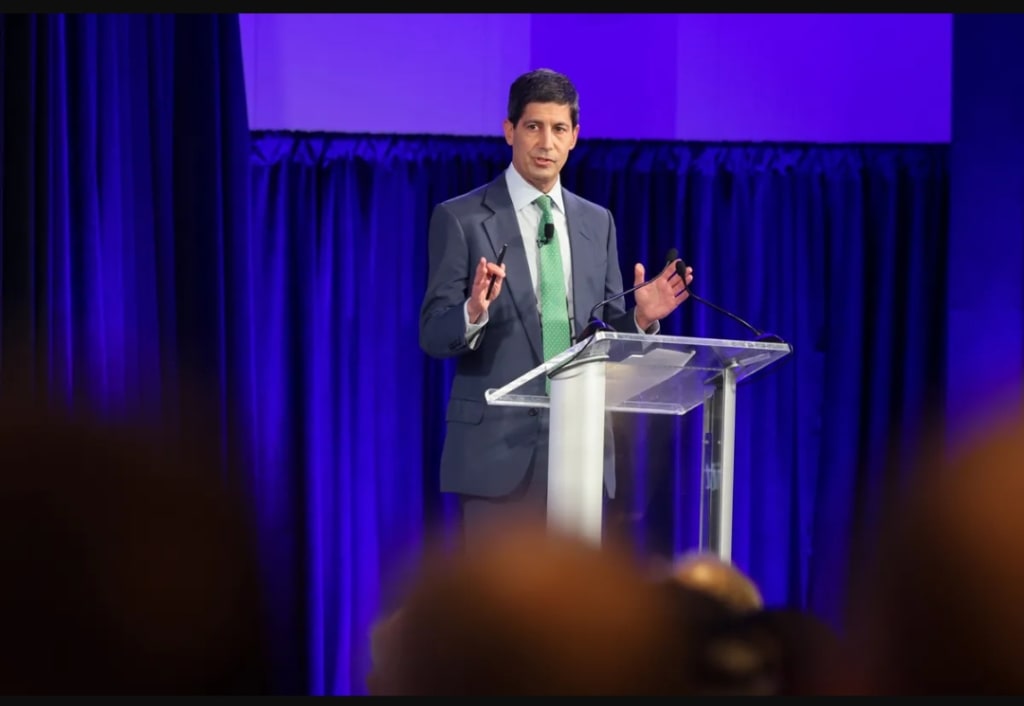
The return of Kevin Warsh to the center of U.S. monetary policy discussions has reopened a long-simmering debate over the Federal Reserve’s massive balance sheet and the lingering effects of years of quantitative easing. With the Fed still holding roughly $6.6 trillion in assets, Warsh’s reemergence has revived tensions over what many critics describe as the central bank’s “QE hangover.”
Once considered an emergency response to crisis, quantitative easing has become a defining feature of modern monetary policy. Now, as inflation risks persist and financial markets remain sensitive to policy shifts, Warsh’s renewed influence has brought fresh scrutiny to whether the Fed can — or should — fully unwind its unprecedented intervention.
Understanding the QE Hangover
Quantitative easing refers to the Federal Reserve’s large-scale purchases of Treasury bonds and mortgage-backed securities to inject liquidity into the economy. Originally deployed during the 2008 financial crisis, QE returned on an even larger scale during the pandemic.
At its peak, the Fed’s balance sheet expanded to nearly $9 trillion. Although some assets have since rolled off, the balance sheet remains bloated at around $6.6 trillion, far above pre-crisis levels.
The “QE hangover” describes the lasting consequences of this prolonged stimulus, including:
Elevated asset prices in stocks, housing, and bonds
Increased market dependence on low interest rates
Distorted price signals and risk-taking behavior
Challenges in controlling inflation without triggering market stress
These lingering effects have become harder to ignore as the global economy transitions away from crisis conditions.
Why Kevin Warsh’s Return Matters
Kevin Warsh served as a Federal Reserve governor during the aftermath of the 2008 crisis. Over time, he became one of the most vocal internal critics of extended monetary easing, warning that QE could undermine financial stability and weaken the Fed’s credibility.
Warsh has consistently argued that emergency tools should remain temporary. In his view, the longer QE persists, the more it distorts markets and encourages speculative behavior rather than productive investment.
His return to prominence — whether through advisory roles or speculation about future leadership — has renewed attention on a more hawkish, discipline-focused approach to monetary policy. For markets accustomed to accommodative central banking, that shift carries significant implications.
Markets React to a Changing Tone
Financial markets have grown highly sensitive to any suggestion of tighter monetary conditions. Even subtle shifts in tone can trigger outsized reactions across asset classes.
The renewed focus on QE unwinding has coincided with:
Rising bond yields as investors price in tighter liquidity
Pressure on equity valuations, particularly growth stocks
Increased volatility in commodities and currencies
A stronger U.S. dollar weighing on global markets
Recent sell-offs in gold, silver, and risk assets reflect growing anxiety that the era of easy money may be ending more decisively than previously expected.
Inflation, Credibility, and the Fed’s Dilemma
At the heart of the debate lies a difficult balancing act. On one side, the Fed must maintain price stability and prevent inflation from becoming entrenched. On the other, it must avoid destabilizing markets that have grown dependent on abundant liquidity.
Supporters of QE argue that it prevented economic collapse and supported employment during extraordinary crises. Critics like Warsh counter that prolonged stimulus delayed necessary adjustments and inflated asset bubbles.
The concern is that the Fed’s massive balance sheet now limits its flexibility. Aggressive tightening risks market turmoil, while gradual unwinding allows distortions to persist — prolonging the QE hangover.
The Challenge of Unwinding $6.6 Trillion
Reducing the Fed’s balance sheet is far more complex than expanding it. Large-scale asset sales or rapid roll-offs could:
Drain liquidity from financial markets
Push borrowing costs sharply higher
Trigger sell-offs in bonds, stocks, and housing
Invite political backlash
Past attempts at balance sheet reduction have shown just how fragile markets can be when central banks step back. This reality has made policymakers cautious — and critics increasingly frustrated.
Political and Global Implications
The QE debate is no longer confined to economists. Lawmakers across the political spectrum have raised concerns about the Fed’s role in widening wealth inequality, inflating housing prices, and distorting capital markets.
Globally, U.S. monetary policy shapes capital flows, exchange rates, and financial stability worldwide. A shift toward Warsh’s more restrictive philosophy could tighten global liquidity, particularly affecting emerging markets reliant on dollar funding.
This global spillover effect makes any policy pivot highly consequential.
What Could Change Going Forward
Warsh’s return does not guarantee immediate policy changes, but it does signal a broader reassessment of the Fed’s post-crisis framework.
Potential shifts could include:
Faster or more consistent balance sheet reduction
Reduced reliance on QE as a default crisis tool
Stronger emphasis on inflation control
Clearer limits on central bank intervention
Even modest movement in this direction could reshape investor expectations and market behavior.
Conclusion
Warsh’s return has revived tensions over the Fed’s $6.6 trillion QE hangover, reopening fundamental questions about the costs and consequences of prolonged monetary stimulus. As inflation risks linger and markets remain sensitive to liquidity shifts, the debate over QE’s legacy is becoming impossible to avoid.
Whether the Fed opts for a cautious unwind or a more assertive reset, the decisions made now will shape economic stability, market structure, and policy credibility for years to come. One thing is clear: the QE hangover is far from over — and the debate around it is only intensifying.
About the Creator
‘You’d Be Ashamed to Bring Someone Here’: How a Struggling Billionaire-Owned High Street Highlights Reform’s Path to No 10
Across the UK, high streets are struggling, and nowhere is this more evident than in some billionaire-owned retail estates. Sam Brodbeck, a seasoned financial journalist and Money Editor at The Telegraph, argues that these failing retail hubs are more than a commercial problem—they are a mirror reflecting the challenges facing political reformers seeking a mandate for change, particularly in the road to No 10 Downing Street.
By Aarif Lashari5 days ago in Journal




Comments
There are no comments for this story
Be the first to respond and start the conversation.