
Wakatobi: Indonesia's Underwater Eden Awaits
Wakatobi, South East Sulawesi, Indonesia

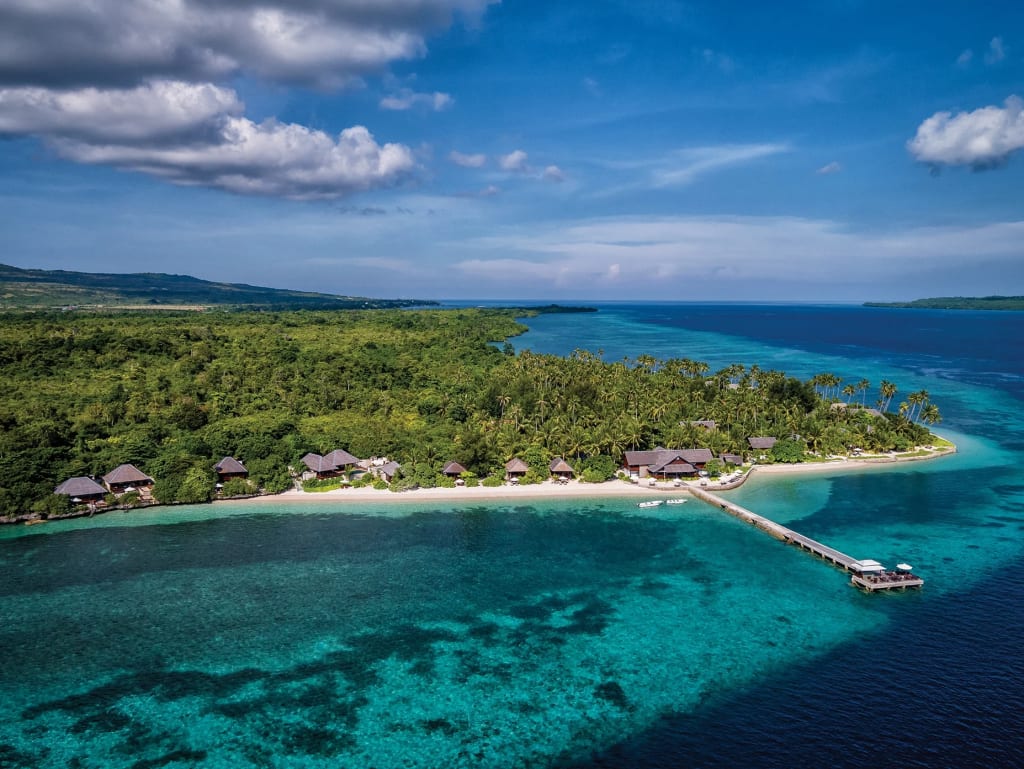
Imagine a place where the water shimmers with a thousand shades of blue, where vibrant coral gardens stretch as far as the eye can see, and where marine life thrives in an unparalleled symphony of color and movement. This isn't a fantasy; it's Wakatobi, an archipelago nestled in the heart of Indonesia's Coral Triangle, a true underwater eden waiting to be explored.
Wakatobi National Park, designated a UNESCO Biosphere Reserve, is a diver's and snorkeler's paradise. Its name is an acronym for the four main islands: Wangi-Wangi, Kaledupa, Tomia, and Binongko. Each offers a unique charm, but collectively they boast some of the world's richest marine biodiversity, with over 750 coral species and more than 1,000 fish species calling these pristine waters home.
A Kaleidoscope Beneath the Waves
The primary draw of Wakatobi is undeniably its underwater realm. Diving and snorkeling here are not just activities; they are immersive experiences that will leave you breathless. The reefs are incredibly healthy, showcasing a stunning variety of hard and soft corals, from massive bommies to intricate fan corals. Visibility often extends a remarkable 20-50 meters, offering crystal-clear views of the vibrant ecosystem.
Dive sites like the famous "Roma" near Tomia Island are a testament to Wakatobi's abundance, teeming with schooling fusiliers, playful clownfish, and a dazzling array of reef fish. "Cornucopia" offers dramatic walls and ledges adorned with sea fans and sponges, while "Table Coral City" lives up to its name with expansive fields of magnificent table corals. For macro enthusiasts, sites like "The Zoo" near Hoga Island are a treasure trove of cryptic creatures, from elusive frogfish to tiny pygmy seahorses and a kaleidoscope of nudibranchs.
Whether you're a seasoned diver or a first-time snorkeler, Wakatobi caters to all skill levels. Many resorts and liveaboards offer guided experiences, ensuring your encounters with the marine world are safe, educational, and utterly unforgettable. You might spot graceful marine turtles gliding by, reef sharks patrolling their territories, or even, if you're lucky and visit in the right season, the occasional short-finned pilot whale.
Beyond the Blue: Cultural Encounters and Island Charms
While the underwater world is undoubtedly the star, Wakatobi offers more than just exceptional diving. The islands themselves are home to rich cultural heritage and welcoming communities.
One of the most fascinating aspects is encountering the Bajo people, often referred to as "Sea Gypsies." These nomadic communities, like the Bajo Mola Tribe in Wangi-Wangi and Bajo Sampela in Kaledupa, have lived in harmony with the ocean for generations, their lives intrinsically linked to the ebb and flow of the tides. Visiting their stilt villages offers a glimpse into a unique way of life and an opportunity to witness their incredible free-diving abilities.
Explore the traditional villages, where local women weave exquisite sarongs from natural materials, or witness the impressive craftsmanship of the ironworkers on Binongko Island, renowned for their high-quality iron and steel products. For panoramic vistas, hike up Kahyangan Peak on Tomia Island, a grassy hill offering breathtaking views of the archipelago, especially at sunset.
You can also discover unique natural attractions like the Hendaopa Natural Bath, a freshwater pool nestled within a cave on Tomia, or the more well-known Kontamale Cave in Wangi-Wangi, with its clear waters and captivating stalactite formations. Anano Island, aptly named "Thousand Turtles Island," is a crucial nesting ground for green and hawksbill turtles, offering a chance to witness these magnificent creatures.
Planning Your Wakatobi Adventure
The best time to visit Wakatobi for optimal diving conditions is generally from March to December, with April to June and September to November offering the most stable weather. While the region is relatively dry compared to other parts of Indonesia, it's wise to be prepared for occasional rain, especially between December and February.
Getting to Wakatobi often involves a flight to Kendari or Baubau, followed by connecting flights or boat transfers to the main islands. Some luxury dive resorts offer direct charter flights from Bali, making the journey more seamless. Once on the islands, inter-island travel is primarily by boat, while motorbikes and ojeks (motorbike taxis) are common for getting around within an island.
Wakatobi is more than just a destination; it's an experience that awakens your senses and reconnects you with the raw beauty of nature. From the mesmerizing dance of marine life beneath the waves to the warm smiles of the local communities, Wakatobi promises a journey that will stay with you long after you've left its shores. So, pack your bags, grab your mask and fins, and prepare to discover Indonesia's hidden gem.
About the Creator
Keep reading
More stories from Restu Marlani and writers in Journal and other communities.
Conquering Mount Lokon: An Adventurous Trek to Tomohon's Fiery Heart
Perched majestically above the vibrant city of Tomohon in North Sulawesi, Mount Lokon stands as a testament to nature's raw power and captivating beauty. As one of Indonesia's most active volcanoes, Lokon offers intrepid travelers an exhilarating challenge and unparalleled views. If you're seeking an adventure that combines a thrilling trek with the reward of breathtaking volcanic landscapes, a journey to Mount Lokon should be high on your list.
By Restu Marlani8 months ago in Journal
Asia’s Big Economies Brace for Iran War Energy Shock
As the war surrounding Iran widens and disrupts key fuel supply routes, major Asian economies are preparing for a potentially severe energy shock that could affect everything from inflation and trade balances to industrial output and geopolitical strategy. Countries such as China, India, Japan, and South Korea are deeply exposed to disruptions of oil and liquefied natural gas (LNG) shipments flowing from the Persian Gulf through the Strait of Hormuz — a chokepoint that carries roughly 20 per cent of global crude and LNG exports. Energy markets reacted sharply as the conflict intensified, with crude benchmarks such as Brent rising past $80 per barrel and LNG spot prices in Asia jumping to multi‑year highs as supply fears mounted. Traders and analysts warn that if the war prolongs or further infrastructure is targeted, the lack of reliable fuel flows could push prices significantly higher. Why Hormuz Matters to Asia The Strait of Hormuz — a narrow maritime passage between Oman and Iran — is vital to global energy trade. In 2025, it carried about 13 million barrels per day of crude and nearly a fifth of worldwide LNG cargoes destined mainly for Asia. Because many Asian states do not produce significant fossil fuels domestically, they depend on uninterrupted shipments through this corridor for transportation fuel, industrial power, and electricity generation. Among the most exposed are Japan and South Korea, which import more than 70 per cent of their crude from the Middle East, and nations such as Thailand and the Philippines, where energy imports constitute a significant share of total GDP. Nomura analysts highlight that every sustained 10 per cent rise in oil prices could erode economic growth and widen current account deficits in these countries. Even China, while more diversified and holding strategic petroleum reserves, is vulnerable due to its sheer scale of fuel imports. Beijing relies on Middle Eastern crude for a large share of its energy needs and has tapped Russian and other non‑Gulf supplies to hedge risk — yet these measures provide only a temporary cushion and cannot fully substitute lost Hormuz volumes. Immediate Market and Economic Impact The sudden threat to key energy flows has triggered a broader spike in commodities markets. Brent oil prices have climbed sharply, with the risk premium — essentially the price added because of geopolitical uncertainty — contributing to intensified inflationary pressures across the region. Asia’s energy‑intensive sectors — petrochemicals, manufacturing, and transportation — are among the first to feel the impact of higher fuel costs. LNG markets are also under stress. Qatar, one of the world’s largest LNG exporters, temporarily halted production at major facilities after strikes heightened security risks, tightening global supplies and pushing Asian LNG spot prices sharply upward. For countries such as Bangladesh, which recently faced sharp increases in LNG prices and subsequent energy rationing after regional supply disruptions, the shock has real economic consequences beyond headline price spikes. Higher energy bills flow quickly into transport, fertilizer production, and household costs, compounding inflation and potentially slowing growth. Government Responses and Strategic Adjustments Asian governments are taking preemptive steps to mitigate the crisis. China and India have reportedly accelerated talks with alternative suppliers, including Russia and West African producers, and are tapping strategic reserves to cushion short‑term supply disruptions. Japan and South Korea have raised their alert levels for energy security, emphasizing stockpile management and diversifying fuel sourcing. At the same time, regional infrastructure investments are speeding forward, with some governments exploring expedited approvals for LNG terminals and renewable energy projects to lessen long‑term dependence on imported hydrocarbons. Central banks and financial authorities are also monitoring the spillover effects. Energy price spikes typically feed into broader inflation measures, influencing monetary policy decisions that affect interest rates, consumer spending, and capital flows. Analysts warn that prolonged elevated energy prices could slow regional growth, particularly if compounded by reduced export competitiveness due to higher production costs. Risks and Longer‑Term Concerns Economists caution that even if the Strait of Hormuz does not close entirely, partial disruption can still have outsized effects on energy markets. Supply bottlenecks, higher shipping rates due to route diversions, and elevated insurance premiums for tanker traffic could all combine to sustain higher costs. Over the long term, the crisis underscores Asia’s structural vulnerability to overseas energy shocks and the urgency of investing in domestic energy security measures, from renewables and energy efficiency to regional cooperation on supply diversification. Conclusion Asia’s biggest economies are entering what analysts describe as “preparation mode” — balancing short‑term emergency responses with strategic shifts that could redefine energy trade and security in a turbulent era. The region’s exposure to Middle East energy risks has been starkly revealed, and policymakers are now forced to confront the economic consequences of prolonged instability thousands of miles away — with implications that reach far beyond oil prices and into the heart of regional growth and stability.
By Fiaz Ahmed 7 days ago in Journal




Comments
There are no comments for this story
Be the first to respond and start the conversation.