
Conquering Mount Lokon: An Adventurous Trek to Tomohon's Fiery Heart
Mount Lokon, North Sulawesi, Indonesia

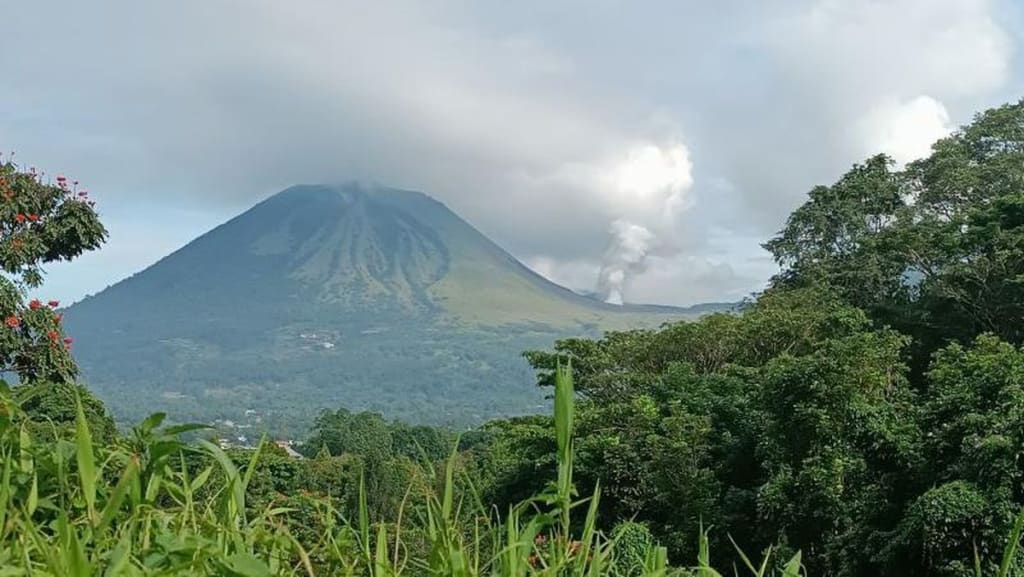
Perched majestically above the vibrant city of Tomohon in North Sulawesi, Mount Lokon stands as a testament to nature's raw power and captivating beauty. As one of Indonesia's most active volcanoes, Lokon offers intrepid travelers an exhilarating challenge and unparalleled views. If you're seeking an adventure that combines a thrilling trek with the reward of breathtaking volcanic landscapes, a journey to Mount Lokon should be high on your list.
The Allure of an Active Volcano
Mount Lokon, along with its twin, Mount Empung, forms an impressive volcanic complex. While Empung has been dormant for centuries, Lokon frequently reminds us of its vitality with plumes of smoke and occasional, relatively minor eruptions. This constant activity makes the trek particularly exciting, as you're literally walking on the edge of a living, breathing geological marvel. The latest significant eruption was in 2012, but smaller phreatic eruptions (steam-driven) and gas emissions are more common, painting a dramatic picture against the skyline.
Despite its active status, climbing Lokon is generally safe, provided you adhere to local guidelines and respect the mountain's power. Local authorities and guides closely monitor its activity, and access is restricted during periods of heightened alert. This ensures that your adventure remains thrilling, not reckless.
Preparing for the Ascent: What You Need to Know
A trek to Mount Lokon is not for the faint of heart, but it's certainly manageable for anyone with a moderate level of fitness. The entire round trip usually takes between 4 to 6 hours, depending on your pace and the conditions.
What to pack:
- Sturdy hiking shoes: The terrain can be uneven, rocky, and often slippery, especially after rain.
- Layered clothing: The temperature can vary significantly from the base to the summit. A light jacket is advisable.
- Rain gear: Tropical climates are unpredictable, and sudden showers are common.
- Plenty of water: Dehydration is a real risk. Aim for at least 2-3 liters per person.
- Snacks: Energy bars, fruits, or sandwiches will keep you fueled.
- Sunscreen and hat: Protection from the equatorial sun is essential.
- First-aid kit: For minor cuts or blisters.
- Camera: You'll want to capture the incredible views!
- Headlamp/flashlight: If you plan an early morning ascent to catch the sunrise.
- Walking stick: Can be helpful for stability on steep or loose terrain.
Local Guide: While it's technically possible to trek without a guide, it is highly recommended to hire one. Local guides not only know the best and safest routes but can also provide invaluable insights into the local flora, fauna, and the volcano's history. They are also essential for safety, especially if visibility drops due to fog or rain. You can usually arrange for a guide through your accommodation in Tomohon.
The Journey: Trekking Through Diverse Landscapes
Most treks to Mount Lokon begin from the village of Kakaskasen, located just a short drive from Tomohon. The initial part of the trail often winds through local farmlands and small plantations, offering a glimpse into the daily lives of the local communities. You might see farmers tending to their crops, which thrive in the fertile volcanic soil.
As you ascend, the vegetation becomes denser, transitioning into lush rainforest. Here, the air is cooler and often humid, filled with the sounds of insects and birds. The path gradually steepens, becoming more challenging with loose rocks, exposed roots, and occasionally muddy sections. This is where your sturdy footwear and a walking stick truly come in handy.
The final stretch to the crater rim is often the most demanding. The ground can be quite steep and covered in volcanic ash and small rocks, requiring careful footing. However, the effort is instantly forgotten as you reach the summit.
The Reward: Awe-Inspiring Views from the Crater Rim
Reaching the crater rim of Mount Lokon is an utterly exhilarating experience. The panoramic views are simply spectacular. On a clear day, you can gaze down into the active crater, often seeing wisps of smoke or steam rising, and sometimes even the bubbling of a small mud lake within. The ground might feel warm beneath your feet, a reminder of the immense power lying beneath.
Beyond the immediate crater, the vistas stretch far and wide. You'll witness the sprawling urban landscape of Tomohon below, nestled amidst rolling green hills. In the distance, the azure waters of the Celebes Sea shimmer, and other peaks of the Minahasa Highlands stand proudly. Sunrise treks are particularly rewarding, as the sky explodes with vibrant colors, casting a magical glow over the entire region. It's a moment of profound connection with nature, a feeling of triumph and awe.
Safety and Respect
Remember, Mount Lokon is an active volcano. Always follow the instructions of your guide and any local authorities. Do not venture off marked trails, especially near the crater. Be aware of changing weather conditions; fog can roll in quickly, reducing visibility dramatically.
Conquering Mount Lokon is more than just a hike; it's an immersive experience into the heart of North Sulawesi's dramatic volcanic landscape. It's a journey that challenges your body, invigorates your spirit, and rewards you with unforgettable memories and truly epic views. So, pack your bags, lace up your boots, and prepare to be captivated by the fiery heart of Tomohon!
About the Creator
Keep reading
More stories from Restu Marlani and writers in Journal and other communities.
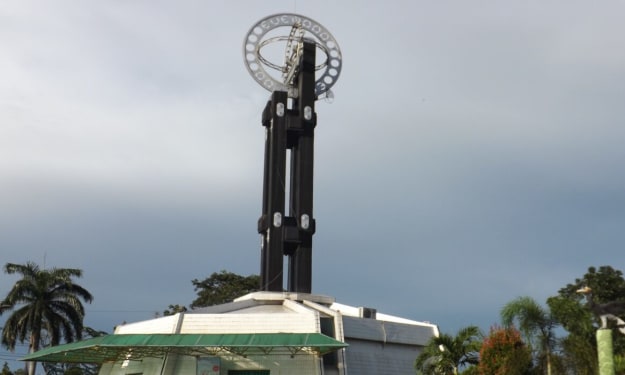
Pontianak: Where the Equator Crosses and Culture Thrives
Nestled on the Kapuas River, the longest river in Indonesia, Pontianak is the vibrant capital of West Kalimantan. Often overlooked by tourists heading to more well-trodden paths in Indonesia, this city offers a unique blend of natural wonders, rich history, and diverse cultural experiences. Its most defining characteristic? Being the only major city in the world directly on the Equator.
By Restu Marlani6 months ago in Journal
What are the top strategies for insurance compliance management in 2026?
Many insurers still rely on fragmented processes, manual reviews, and reactive controls; approaches that create blind spots, slow response times, and expose the business to regulatory and reputational risk. At the same time, digital distribution, AI-driven decision-making, and growing volumes of customer data are reshaping how insurance products are built, sold, and serviced.
By Fusion Business Solution P Limitedabout 3 hours ago in Journal


Comments
There are no comments for this story
Be the first to respond and start the conversation.