
Vaping and Indoor Air Quality: Is It Safe to Vape Indoors?
vape
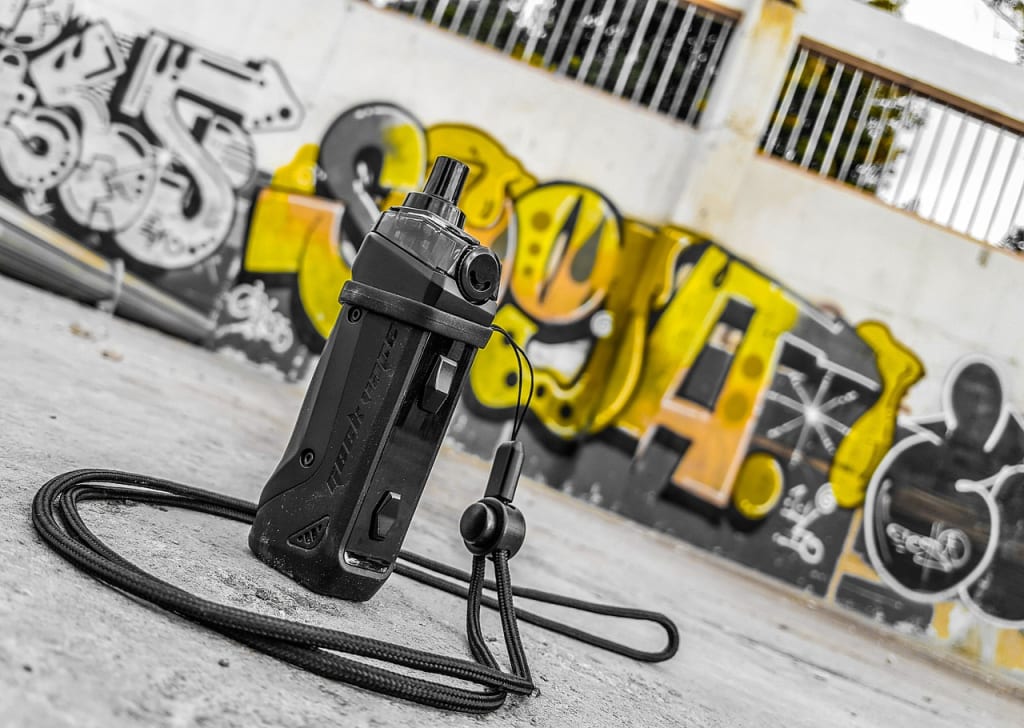
As vaping gains popularity, concerns about its impact on indoor air quality and health grow. While many see vaping as a safer alternative to smoking, questions remain about how safe it is to vape indoors. This blog will delve into the components of vape aerosols, explore their effects on indoor air quality, and offer guidance on whether titan 10k vape indoors is a safe practice.
What Is Vaping, and How Does It Work?
Vaping involves the inhalation of aerosol produced by an electronic device, usually containing a mixture of nicotine, flavorings, and other chemicals. Unlike traditional cigarettes, which produce smoke from burning tobacco, vape devices heat a liquid (often called “e-juice” or “vape juice”) to create an aerosol that users inhale. This aerosol may contain fewer toxic chemicals than cigarette smoke, but it still introduces various particles and substances into the air.
How Does Vaping Affect Indoor Air Quality?
Release of Fine and Ultrafine Particles: Vape aerosols contain particles that can become suspended in indoor air. These fine particles are often smaller than those found in traditional cigarette smoke, which may increase their ability to penetrate deep into the lungs. High concentrations of such particles in indoor spaces can lead to respiratory issues, particularly for those with asthma or allergies.
Presence of Volatile Organic Compounds (VOCs): Vaping releases several volatile organic compounds (VOCs) into the air, including formaldehyde, acrolein, and acetaldehyde, all of which can affect indoor air quality. Exposure to VOCs in enclosed spaces can lead to symptoms like headaches, dizziness, and irritation of the eyes, nose, and throat.
Nicotine Residue on Surfaces: Though vape aerosols are invisible, they still contain nicotine, which can settle on surfaces and create a form of “thirdhand smoke.” This residue can cling to furniture, carpets, and other indoor surfaces, creating a potential health risk for anyone who comes into contact with it, especially children and pets.
Impact of Flavoring Chemicals: Many vape juices contain flavorings, such as diacetyl and acetyl propionyl, which are linked to respiratory issues. When these chemicals are released into the air, they can linger and negatively affect the indoor environment. Although these flavorings make vaping more enjoyable, they pose potential risks when continuously released in an enclosed space.
How Does Vaping Compare to Smoking in Terms of Indoor Air Quality?
While vaping is often promoted as a safer alternative to smoking, this does not mean it is harmless to indoor air quality. Research shows that vaping typically emits fewer harmful chemicals and particles than smoking cigarettes, but certain risks persist. Cigarette smoke, for example, produces carbon monoxide and tar, which are absent in vape aerosols. However, both activities introduce fine particles and potentially harmful chemicals into the indoor environment. In short, while vaping may be less harmful than smoking, it still affects indoor air quality and should be approached cautiously indoors.
Key Health Risks of Vaping Indoors
Respiratory Issues: The fine and ultrafine particles emitted during vaping can irritate the respiratory system and exacerbate conditions like asthma, bronchitis, and other respiratory disorders.
Nicotine Exposure: Indoor vaping increases nicotine exposure, even for non-vapers. This exposure can affect cardiovascular health, increase blood pressure, and impact brain development in younger individuals.
Increased Sensitivity for Vulnerable Groups: Individuals with compromised immune systems, elderly people, pregnant women, children, and pets are more sensitive to the effects of chemicals released in vape aerosols. Children are especially vulnerable as they breathe faster and are more likely to touch surfaces with nicotine residue.
How Long Do Vape Particles Stay in the Air?
One common misconception is that vape particles dissipate quickly. However, research indicates that vape aerosols can linger in the air for an extended period, particularly in enclosed spaces with poor ventilation. The duration depends on factors like the size of the room, ventilation, the concentration of the aerosol, and the specific vaping device used. Even with ventilation, vape particles can remain airborne long enough to expose others to secondhand aerosol and thirdhand nicotine residue on surfaces.
Indoor Vaping and “Thirdhand” Exposure
Thirdhand exposure occurs when vape particles settle on surfaces and linger long after the vapor itself has dissipated. Nicotine residues and other chemicals can settle on walls, furniture, and fabric, creating potential health risks for individuals who come into contact with these surfaces. For example, children or pets touching contaminated surfaces may inadvertently ingest nicotine residue. Over time, these residues can accumulate, increasing exposure to harmful substances.
Indoor Air Quality Solutions for Vapers
If you choose to vape indoors, consider these tips to minimize its impact on indoor air quality:
Ventilation: Open windows and doors to allow for fresh air circulation. Using exhaust fans or air purifiers with HEPA filters can help reduce the concentration of particles and chemicals.
Regular Cleaning: Frequent cleaning of surfaces like furniture, floors, and walls can help remove nicotine and other residues. Vacuuming carpets and washing fabrics regularly can also limit thirdhand exposure.
Use of Air Purifiers: HEPA air purifiers and activated carbon filters can help trap fine particles and absorb odors associated with vaping. Although these do not remove all particles, they are helpful in reducing airborne contaminants.
Designated Vaping Area: Designating an outdoor or semi-outdoor area specifically for vaping can limit its impact on indoor air quality. Balconies, patios, or garages with ventilation are good options.
Is It Safe to Vape Indoors?
The short answer is that while vaping may be less harmful to indoor air quality than smoking, it is not entirely risk-free. The introduction of fine particles, VOCs, nicotine residue, and flavoring chemicals into the air can negatively affect both the immediate and long-term quality of indoor air. In particular, vulnerable populations, such as children, pets, and individuals with respiratory conditions, are more likely to be impacted by indoor vaping.
If you’re concerned about the impact of vaping on indoor air quality, consider vaping outdoors or in well-ventilated areas, taking steps to limit residue buildup, and utilizing air purifiers to minimize exposure to any remaining contaminants.
Final Thoughts
With vaping on the rise, it’s essential to understand how it affects indoor air quality and health. Although less harmful than smoking, indoor vaping is not entirely safe and can contribute to poor air quality, particularly in enclosed spaces. By understanding the potential risks and taking steps to mitigate them, you can make informed choices about whether or not to vape indoors.
About the Creator
The goals I did not achieve
Every writing goal I made for the year is a wash. It has been this way for a while, but I think it's important to be open about my failures and the reality of how life can get in the way. This is especially true considering the several times I have posted on Vocal about my writing goals, how I was changing my approach, and where I was hoping to be for the upcoming year. I will probably do that again in a couple months, but for now, it is time to acknowledge where I am today.
By Kay Husnick22 days ago in Journal
The Role of Confession in Spiritual Growth
Confession, also called the Sacrament of Reconciliation, is one of the most powerful and transformative practices in Catholic life. Through this sacrament, Catholics seek God’s forgiveness for sins, experience His mercy, and receive spiritual guidance. Far from being a routine obligation, confession is a vital pathway to spiritual growth, healing, and deeper communion with God. Understanding its purpose, benefits, and proper approach can enrich a believer’s faith and daily life.
By Sound and Spirit4 days ago in Journal


Comments